
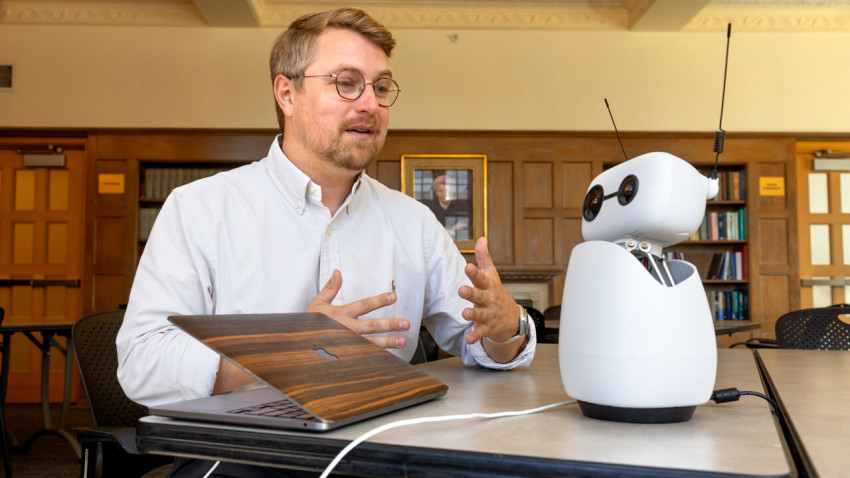
Instructors across Cornell are working to strike a balance in the classroom – using AI as a teaching tool but also making choices to prevent its use and preserve the learning experience.
News Category
News
Instructors across Cornell are working to strike a balance in the classroom – using AI as a teaching tool but also making choices to prevent its use and preserve the learning experience.

Starting in fall 2027, working professionals can pursue a master’s degree in AI or applied AI.

David Rand offers advice on how voters can use AI as an informational assistant for election research.
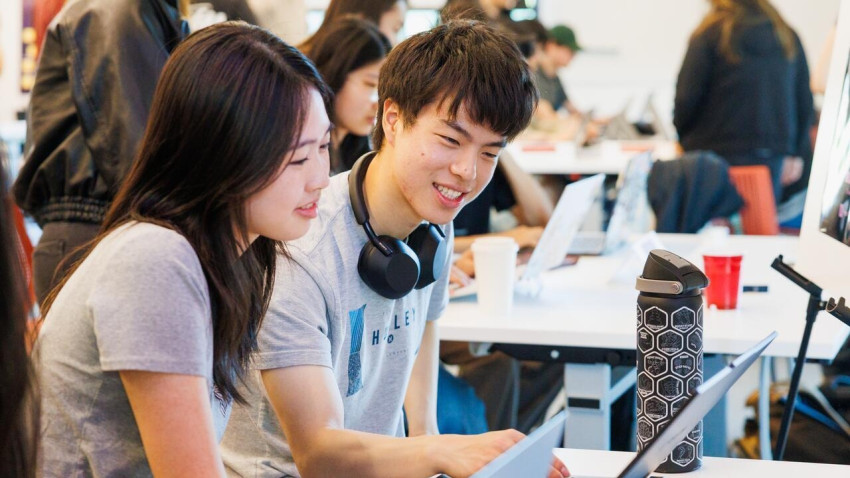
In spring 2027, Cornell Bowers will launch a new course that is open to all entitled, “Everyday AI: Learning to use AI effectively and responsibly.”

Gregory Falco, assistant professor, has received a Young Investigator Program award from the Air Force Office of Scientific Research to investigate autonomous spacecraft that can maintain coordination while an adversary is trying to disrupt them.

A National Science Foundation grant will support Cornell research aimed at developing AI models that can better represent human decision-making in cyber-physical systems while remaining interpretable and explicit about uncertainty.
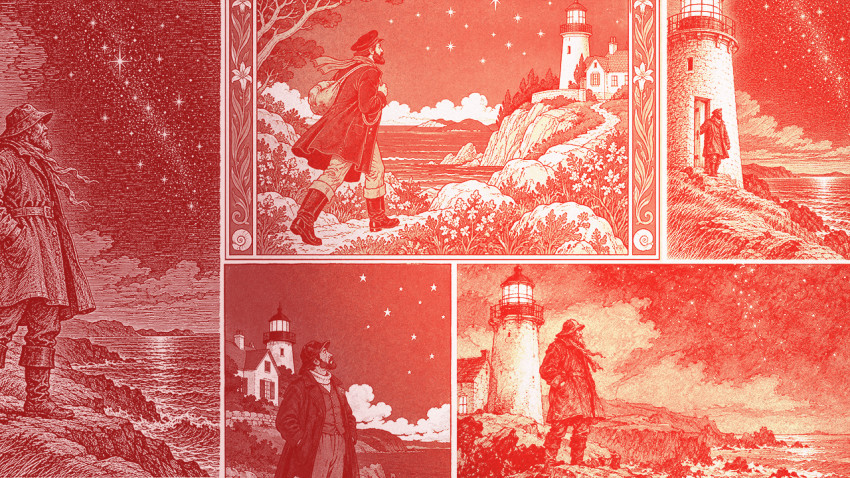
For AI agents instructed to write fiction, that tale usually involves lighthouses and a keeper named Elias, according to new Cornell research.
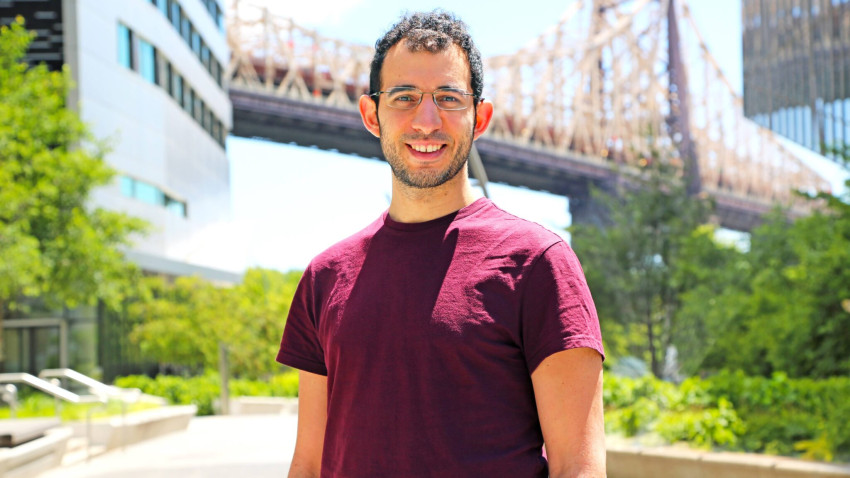
Makora, a startup founded by assistant professor Mohamed Abdelfattah, has received a $1.75 million award from the National Science Foundation-supported STRIDE Ventures AI Efficiency Challenge.