
AI has the potential to make important contributions to sustainability research, from climate change to food security, while also introducing new and pressing challenges to sustainability itself.
At Cornell, AI is a tool that accelerates interdisciplinary scientific discovery across climate science, energy, agriculture, ecology, biodiversity, and environmental decision-making. It is also an important and growing part of our own sustainability footprint - and one that should be studied and managed thoughtfully, transparently and with care.
AI Advances Research
By using AI as a tool to accelerate interdisciplinary scientific discovery across climate science, energy, agriculture, ecology, biodiversity, and environmental decision‑making, faculty and students can model complex environmental systems, uncover patterns in large‑scale data, and generate insights that guide sustainable materials, energy, agriculture, and policy.
The initiative also funds opportunities for faculty and students to pursue sustainability‑focused AI research — supporting innovative projects and new collaborations.
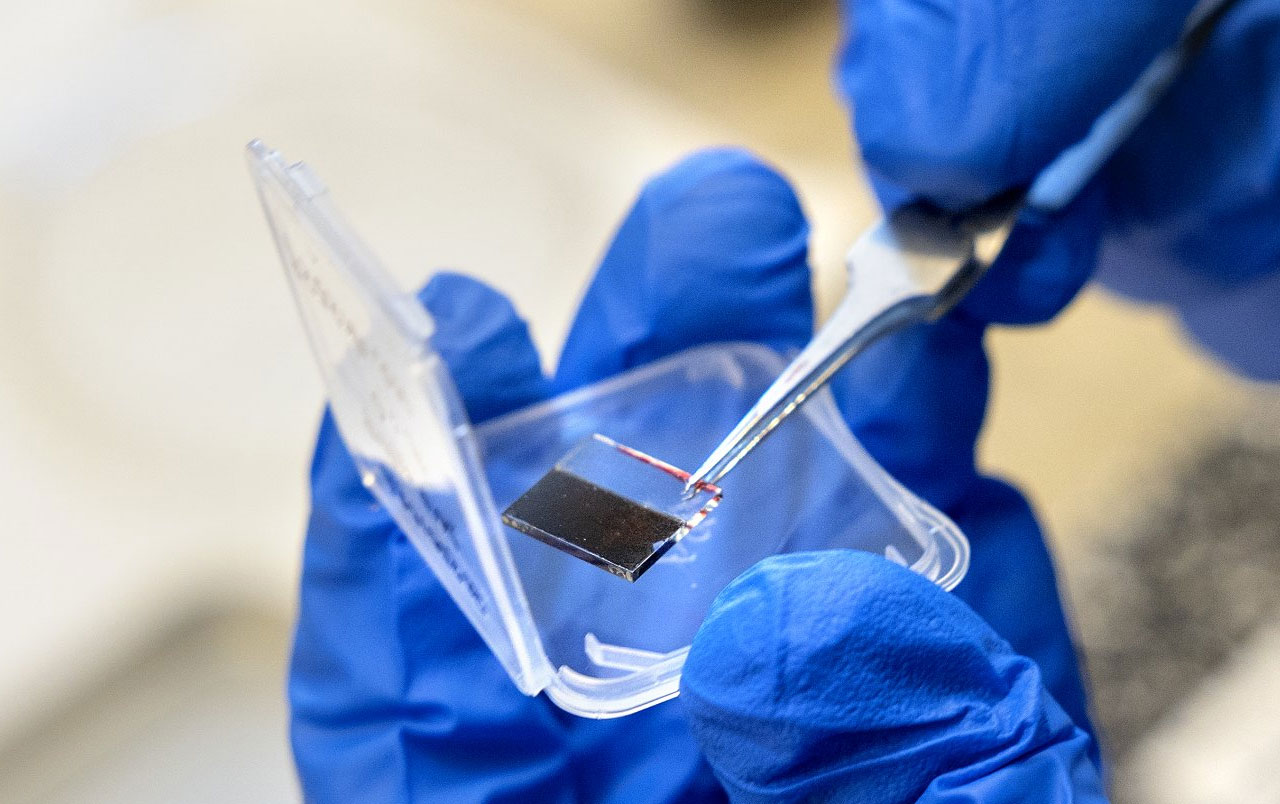
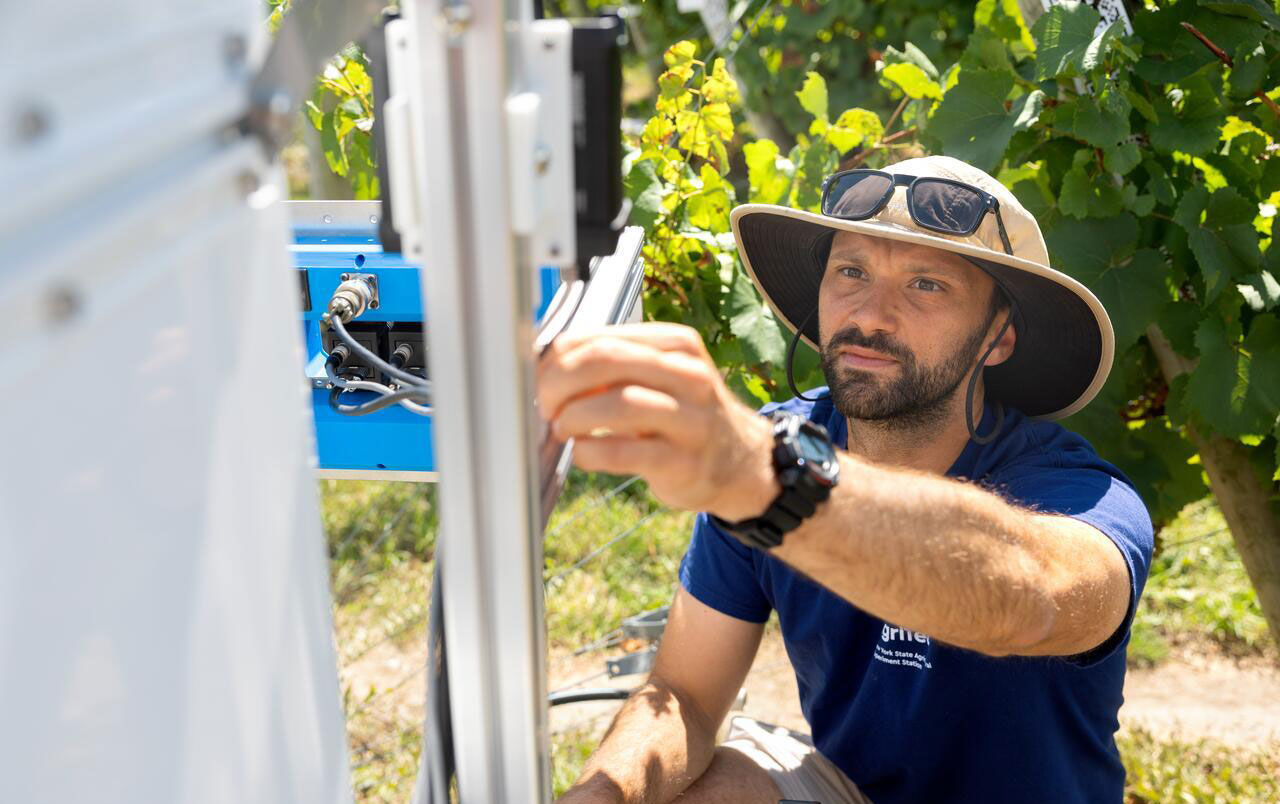
Cornell also advances sustainability as an area of study within AI itself — developing more efficient algorithms, reducing computational impacts, and shaping responsible, lower‑carbon practices. Together, these efforts position Cornell at the forefront of research connecting AI and sustainability.
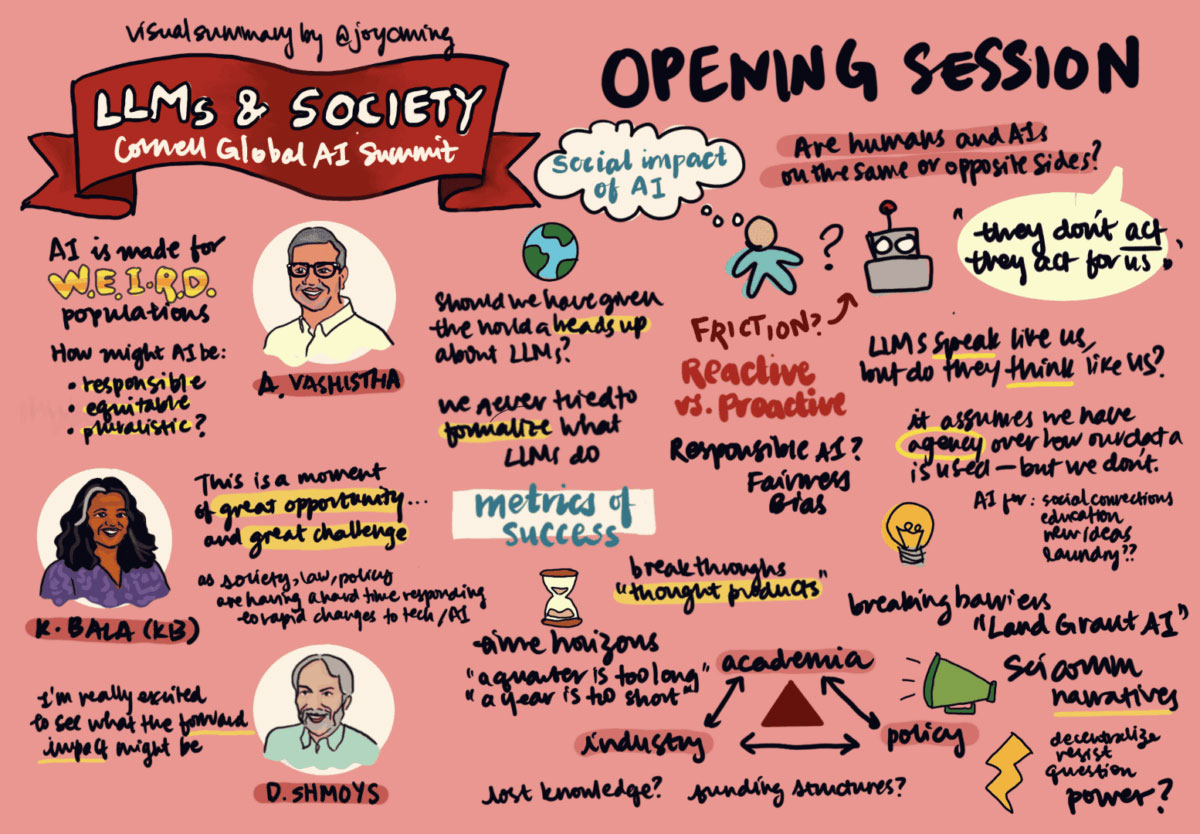
LLMs And Society
Leading AI scholars met to discuss fundamental design problems and systemic issues with large language models (LLMs) and how they could better serve the global population.
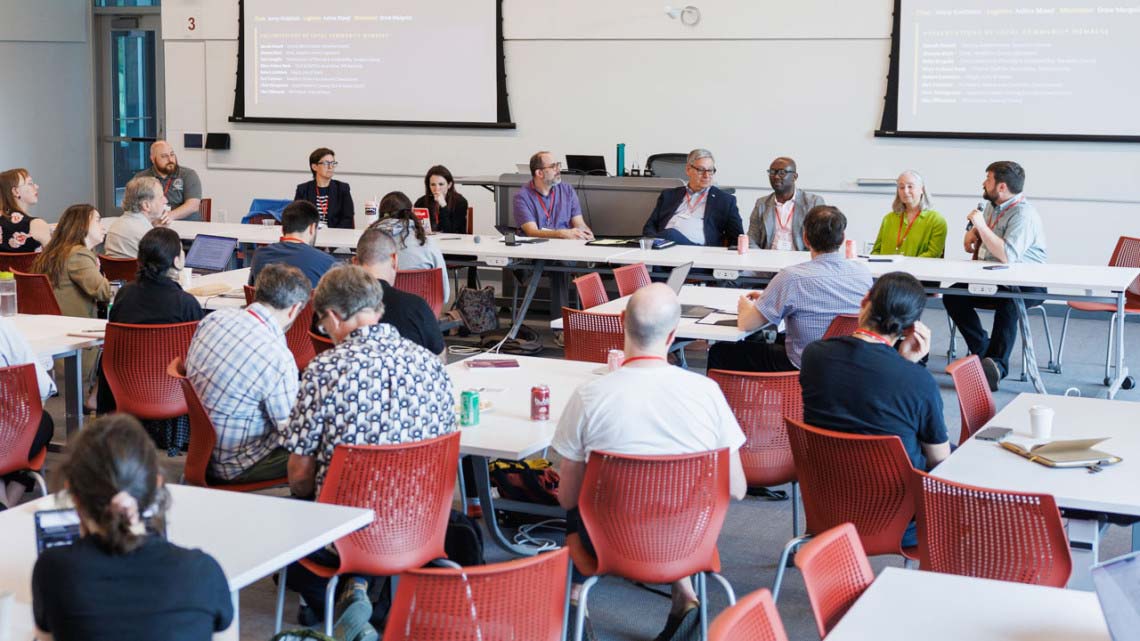
Community-Centered AI
Civic leaders from across New York state gathered at Cornell May 18-20 to explore both the promise and risks of this technological transformation.
AI's Footprint
As computing and AI – from personal devices to wider grids, apps to enterprise systems, become a more central part of campus activities, there is a growing need to bring Cornell’s growing activities and investments in technology and computing into alignment with campus sustainability goals and planning.

Cornell’s Sustainable Computing Workgroup, a subset of the Sustainable Cornell Council, is working to strengthen Cornell’s approach to sustainable computing by:
- Improving tracking and public reporting of computing-related sustainability metrics at Cornell;
- Increasing awareness and education around computing and AI-related sustainability challenges; and
- Exploring and promoting more sustainable alternatives, including where thoughtful use of computational and AI tools may enhance and support Cornell’s wider sustainability goals.

Cornell Unplugged
Cornell Unplugged (Sept. 14-20) is a week-long campuswide initiative hosted by the Sustainable Computing Workgroup that encourages students, faculty and staff to reflect on how much time they spend connected to technology, and to bring awareness to three key issues:
1. How excessive technology use can contribute to feelings of social isolation;
2. How unplugging creates opportunities for teaching and learning innovation; and
3. the impacts on our environment from the use of different types of equipment and devices.
Participants are encouraged to unplug to the greatest extent possible.
Members of the Sustainable Computing Workgroup
- Steve Jackson, Professor, Information Science and Science and Technology Studies, Vice Provost, Academic Innovation
- Kim Anderson, Assistant Director, Campus Sustainability Office
- James Best, Director, Cornell Retail Services
- Boubakar Diallo, Student, Electrical and Computer Engineering
- Udit Gupta, Assistant Professor, Electrical and Computer Engineering at Cornell Tech
- Monique Harrison, Senior Research & Planning Associate, Office of Institutional Research
- Richard Knepper, Director, Cornell Center for Advanced Computing
- Johannes Lehmann, Professor, School of Integrative Plant Science
- Alan Martinez, Lead, Climate and Nature Finance, Strategic Partnerships, Cornell Atkinson Center for Sustainability
- Random McCutcheon, R5 Operations
- Aashay Mody, Student, Environment & Sustainability
- Mikael Murphy-Rendon, Environmental Engineering '28
- Meredith Rutherford, Sustainability Manager, Campus Sustainability Office
- Paul Vermette, ’22, MPS ‘25