
Latest stories, updates, and announcements that highlight the people, research, and progress of AI throughout Cornell.
Want your news listed here? Email us.
AI Headlines from Around the University

Via:
Cornell Tech’s economic impact on NYC to double by 2030
November 13, 2024
A new analysis finds that Cornell Tech, its alumni and its 115 startups achieved $768 million in total economic impact and supported 2,800 jobs in New York City in the 2023-24 fiscal year.

Via:
New statistical method powers research on health, climate, financial data
November 12, 2024
Machine learning and artificial intelligence wouldn’t be possible without the statistical models that underpin their analytic capabilities. A Cornell statistician and his colleague have developed a revolutionary new method to analyze complex datasets that’s more flexible, accurate and easy to use.
Via:
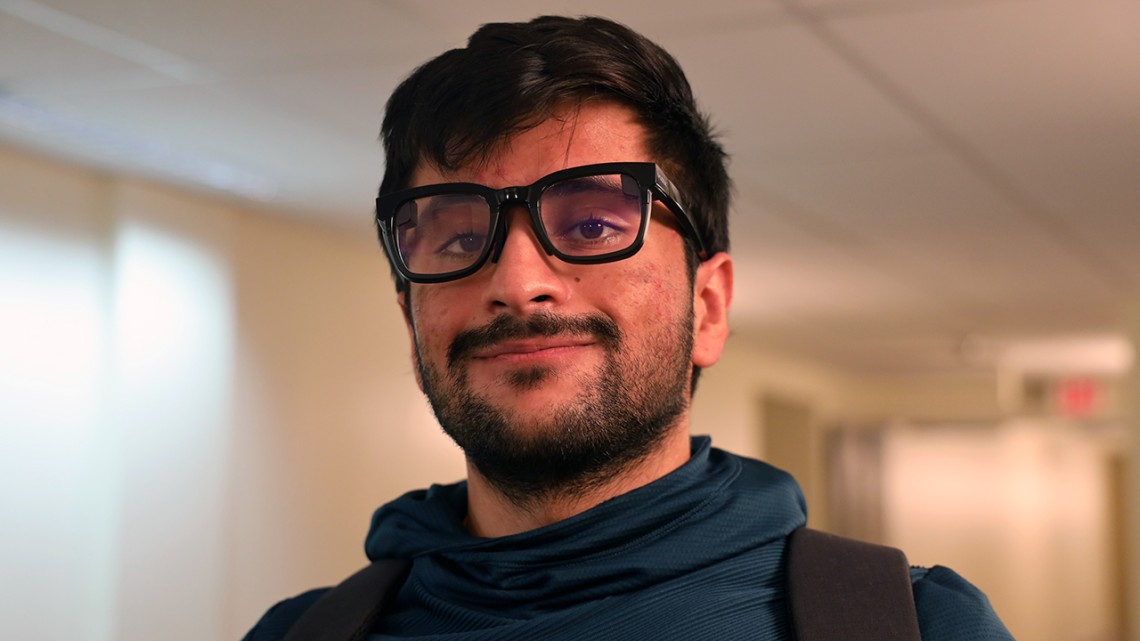
Student creates smart glasses for people with hearing loss
November 8, 2024
Nirbhay Narang ’25 has created smart glasses to help people manage this situation. The glasses use AI to provide transcriptions of conversations in real time, which can be viewed both on the glasses and on a phone.

Via:
Researchers in climate science, nanoparticles among 12 newest Eric and Wendy Schmidt AI in Science Postdoctoral Fellows
November 7, 2024
Nanoparticles that could change material science. Better models to predict the potential for global carbon offsets. More efficient and cheaper solar panels. These are some of the research projects from 12 of the newest Eric and Wendy Schmidt AI in Science Postdoctoral Fellows from Cornell.

Via:
AI for Sustainability Visiting Professorship launches at Cornell
November 7, 2024
The AI for Sustainability (AI4S) Visiting Professorship has launched at Cornell, designed to bring faculty scholars from across the world to the university to tackle pressing global challenges in sustainability through the power of artificial intelligence.

Via:
Disclose invisible disabilities in social VR? It depends
November 6, 2024
Social virtual reality games and apps such as VRChat, AltspaceVR and Rec Room are immersive 3D experiences that let people with disabilities – both visible and invisible – try activities that might not be available to them in the non-virtual world.
In those settings, Cornell researchers have found, the decision to disclose an invisible disability – a physical, mental or neurological condition that is not visible from the outside but can limit or challenge a person’s movements, senses or activities – is personal.

Via:
New algorithm picks fairer shortlist when applicants abound
November 4, 2024
Cornell researchers developed a more equitable method for choosing top candidates from a large applicant pool in cases where insufficient information makes it hard to choose.
While humans still make many high-stakes decisions – like who should get a job, admission to college or a spot in a clinical trial – artificial intelligence (AI) models are increasingly used to narrow down the applicants into a manageable shortlist.
Via:
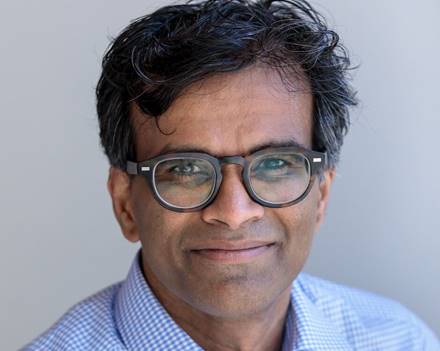
Visiting lecturer will explore expanded vision for AI in research
November 4, 2024
Polymath scholar Sendhil Mullainathan ’93, a behavioral economist who has combined computational and social sciences to produce pioneering work on health care, poverty and the criminal justice system, will deliver three public lectures at Cornell Nov. 11-13 for the Messenger Lectures series.
Via:
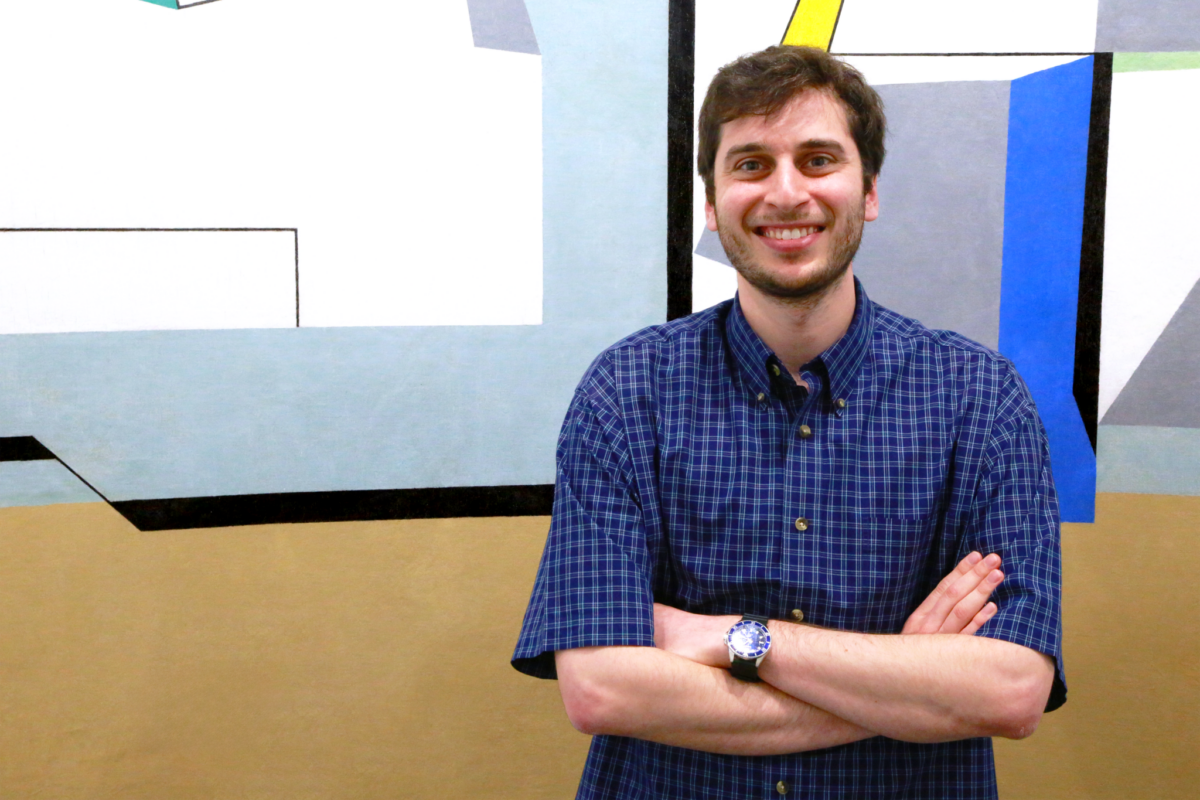
Rising star Ben Laufer: Improving accountability and trustworthiness in AI
October 23, 2024
With artificial intelligence increasingly integrated into our daily lives, one of the most pressing concerns about this emerging technology is ensuring that the new innovations being developed consider their impact on individuals from different backgrounds and communities. The work of researchers like Cornell Tech PhD student Ben Laufer is critical for understanding the social and ethical implications of algorithmic decision-making.