
Latest stories, updates, and announcements that highlight the people, research, and progress of AI throughout Cornell.
Want your news listed here? Email us.
AI Headlines from Around the University
Via:
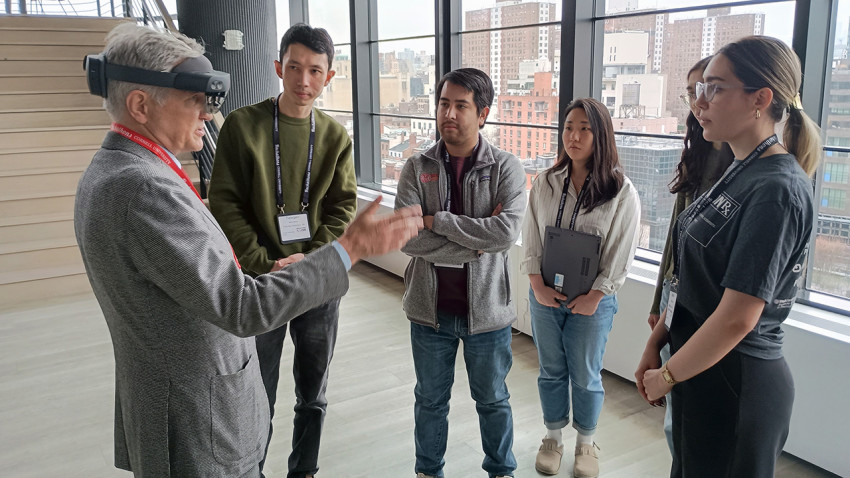
Students pitch AI-inspired solutions at Cornell Health Hackathon
March 20, 2026
More than 100 students from across Cornell campuses and 17 other universities gathered March 6-8 in New York City for an AI hackathon.

Via:
AI assistants can sway writers’ attitudes, even when they’re watching for bias
March 11, 2026
Cornell Tech researchers found that writers who used biased AI auto-suggestions saw their views gravitate toward the AI’s positions without their realizing it — even when they were made aware of the biased AI.

Via:
Testing large language models on scientific literature
March 10, 2026
Cornell physicists and Google researchers engaged a panel of 12 human experts to test the ability of six LLM systems to understand scientific literature at the level of a specialist.
Via:
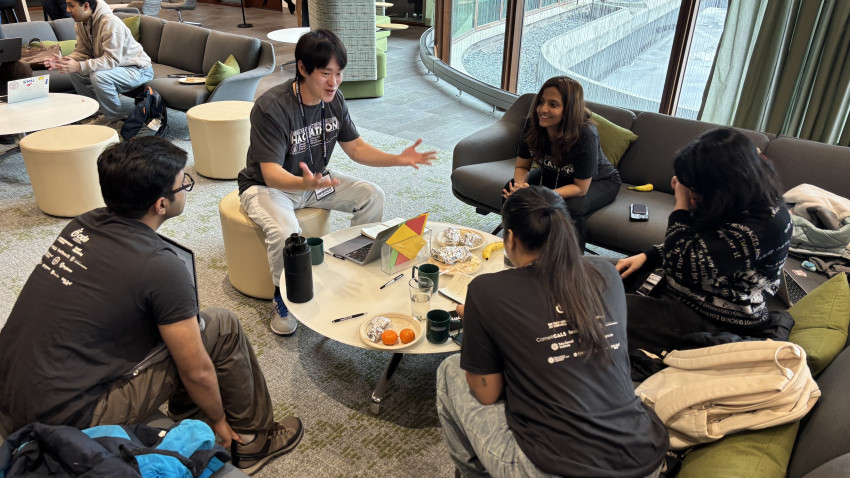
Winning digital ag idea targets killer ants
March 4, 2026
The Digital Ag hackathon, sponsored by the Cornell Institute for Digital Agriculture and powered by Entrepreneurship at Cornell, brought 116 students to Atkinson Hall for the weekend of Feb. 27-March 1.
Via:
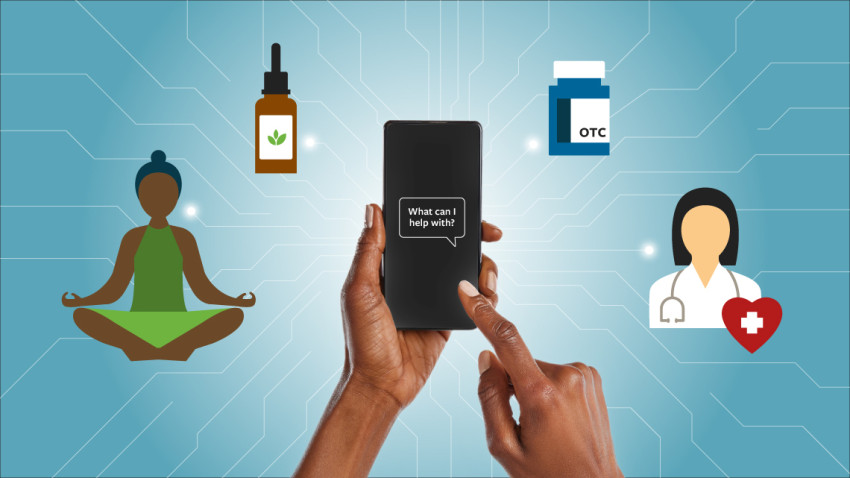
Are mental health apps like doctors, yogis, drugs or supplements?
March 3, 2026
Cornell researchers are recommending new guidelines for developing safe and responsible large language model-based mental well-being apps by consulting relevant experts and reviewing existing state and federal regulations.

Via:
Experts to examine the use of generative AI in science
March 2, 2026
The Assessing and Imagining the Impact of Generative AI on Science Symposium, March 3-5, will feature experts from across academia and industry engaging in discussions on the use and implications of generative AI.

Via:
March 3-5 symposium to examine the use of genAI in science
March 2, 2026
The Assessing and Imagining the Impact of Generative AI on Science Symposium will feature diverse experts from across Cornell, academia and industry engaging in discussions of how GenAI is being used in research, and the implications for policy, funding and the public trust.
Via:
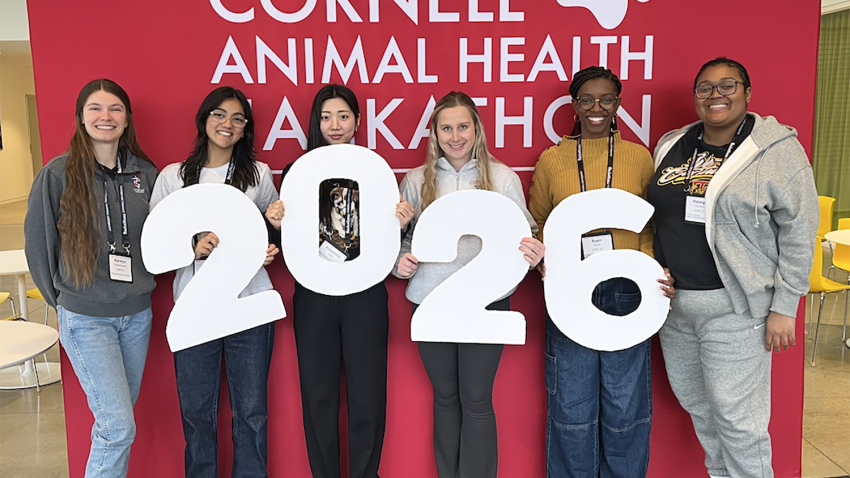
Hackathon winners combat ear infections, parasites and animal overpopulation
February 24, 2026
Products to fight ear infections in dogs, a parasite in cattle and animal population control challenges won top honors at the Feb. 20-22 Animal Health Hackathon at the College of Veterinary Medicine.
Via:
Cornell Daily Sun: Where Technology Meets Learning: Inside Cornell’s Future of Learning Lab
February 23, 2026
Founded by Rene Kizilcec roughly seven and a half years ago, the Future of Learning Lab studies the intersection of technology, education and learning science across all age groups, from primary through post-secondary. The lab’s projects span a variety of application areas, from a national database of tutoring interactions to artificial intelligence powered clinical training tools deployed at medical schools across the country to a language-learning platform used in Cornell’s own classrooms.