
Latest stories, updates, and announcements that highlight the people, research, and progress of AI throughout Cornell.
Want your news listed here? Email us.
AI Headlines from Around the University
Via:
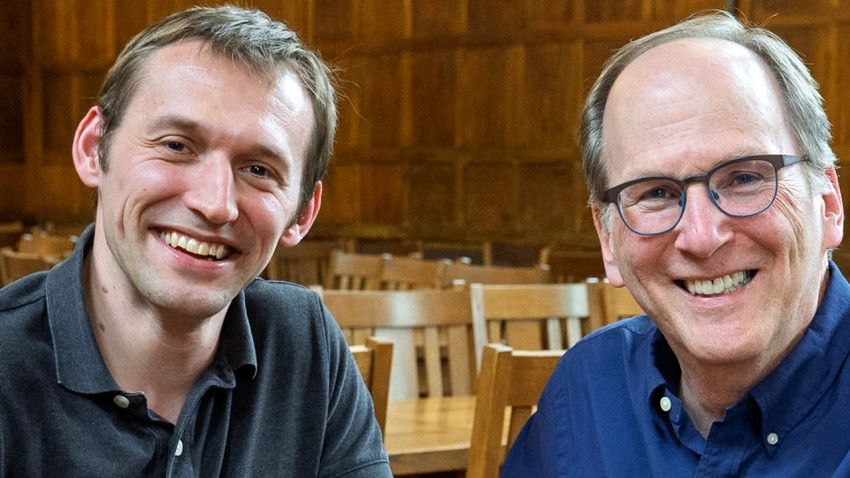
‘Big Math’ reveals the hidden codes that run our algorithm-driven world
November 10, 2026
In their new book, “Big Math,” mathematicians Steven Strogatz and Alex Townsend crack open our algorithm-driven world and reveal the history of mathematical concepts that undergird, and often control, modern life.

Via:
Machine learning helps explain evolution of fish schools
November 9, 2026
The study is among the largest studies of the evolution of any behavior ever conducted in any group of species.
Via:
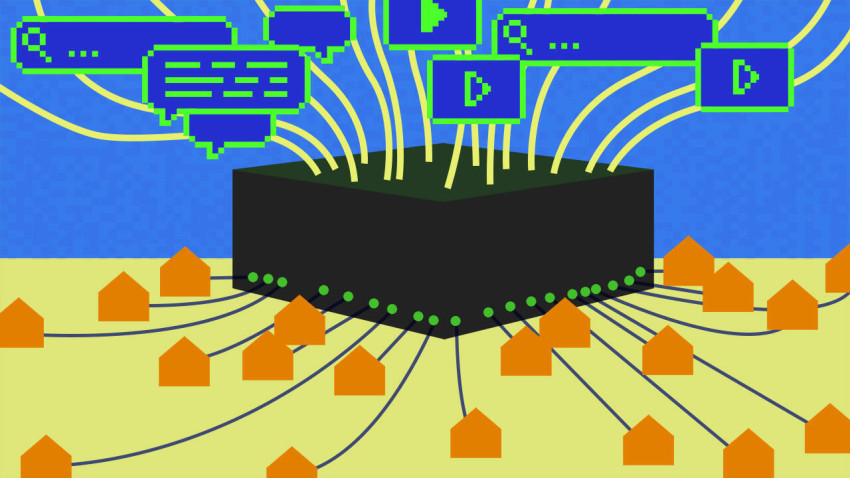
Data centers need power – lower income, rural residents pay the price
November 9, 2026
In 2025, data centers paid only 38% of the energy infrastructure costs linked to their growth, with households, especially rural and low-income residents, bearing the remaining burden.
Via: CAROW Policy Lab
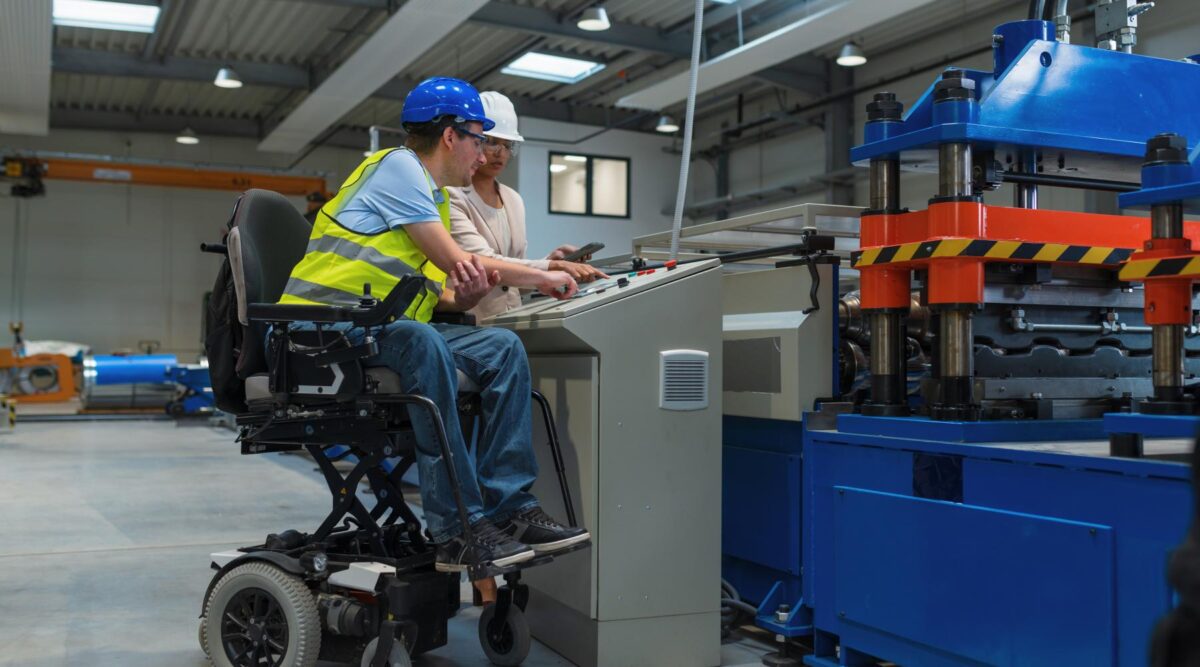
AI and the Future of Disability Employment
November 6, 2026
AI has the potential to improve employment outcomes for people with disabilities, but it also introduces new risks that could reinforce existing inequities and create additional barriers. Kaitlyn Jackson and Kimberly Osmani of the Yang-Tan Institute on Employment and Disability explain what this means for different stakeholder groups.
Via:
Project to rebuild trust in AI era lands Laude’s $10M ‘moonshot’ award
November 5, 2026
A $10 million “moonshot” grant from Laude Institute will help Cornell researchers realize the potential of artificial intelligence, while giving online communities control over AI’s role.
Via:
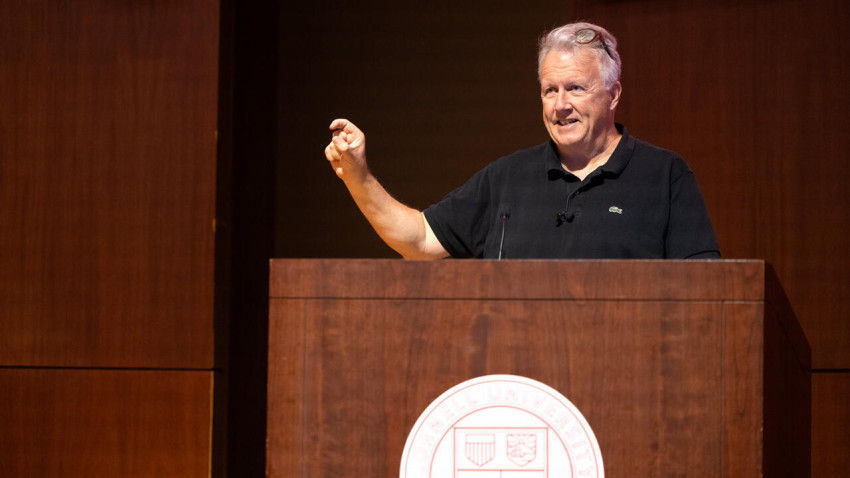
Y Combinator’s Graham: Build ‘stuff you’re genuinely interested in’
November 2, 2026
Taking advantage of the opportunities a college education affords and doing what you love are important in a successful startup journey, according to Paul Graham ’86, founder of Y Combinator.
Via:
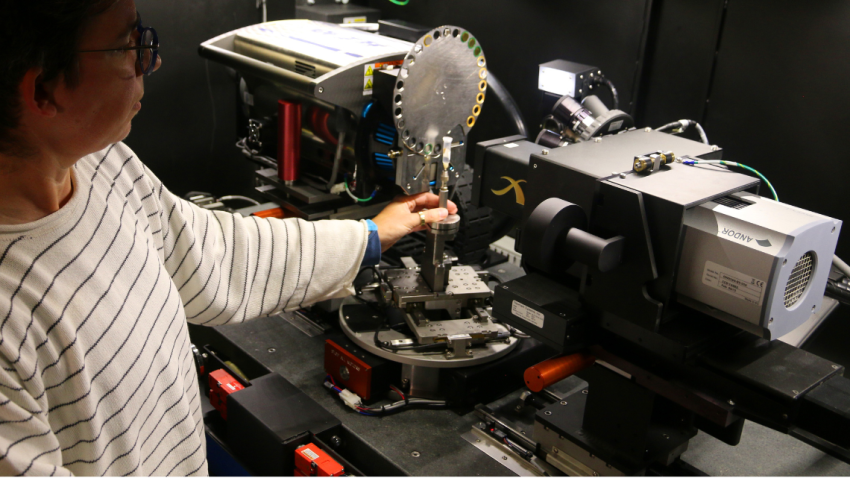
BRC expands support for life sciences research at Cornell
November 2, 2026
The Biotechnology Resource Center – a set of core facilities providing shared, cutting-edge resources for life sciences research – is enhancing and expanding its support for Cornell researchers.
Via:
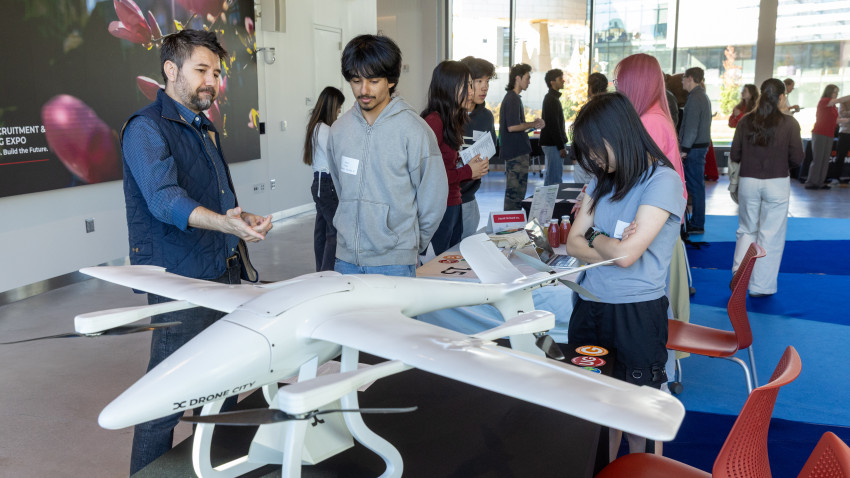
Hundreds of students attend new startup career fair
October 30, 2026
The expo brought together companies in fields from robotics to defense to health tech to food.

Via:
New initiative will explore AI’s role in society, humanities
October 29, 2026
With AI transforming how societies function, a new program in the College of Arts and Sciences aims to meet the urgent need to understand AI’s implications for culture, governance, ethics, communication, creativity, labor and social organization.