
Latest stories, updates, and announcements that highlight the people, research, and progress of AI throughout Cornell.
Want your news listed here? Email us.
AI Headlines from Around the University

Via:
Autopen shows perils of automation in communications
February 1, 2024
In a new analysis, Cornell researchers examined three autopen controversies to see what they reveal about when it is OK – and not OK – to automate communication.
Via:
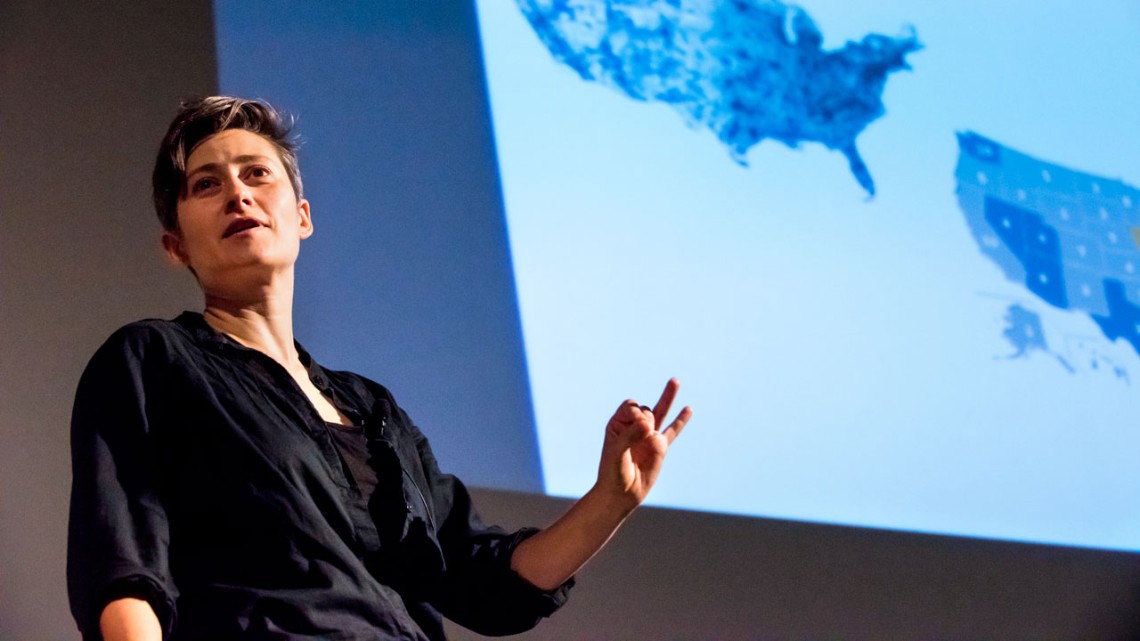
Bala delivers keynote at higher ed symposium on generative AI
January 26, 2024
Dean Kavita Bala, and lead dean for the Cornell AI Initiative, recently delivered the keynote at a Harvard/MIT Symposium exploring excitement, potential challenges to STEM education, research.
Via:
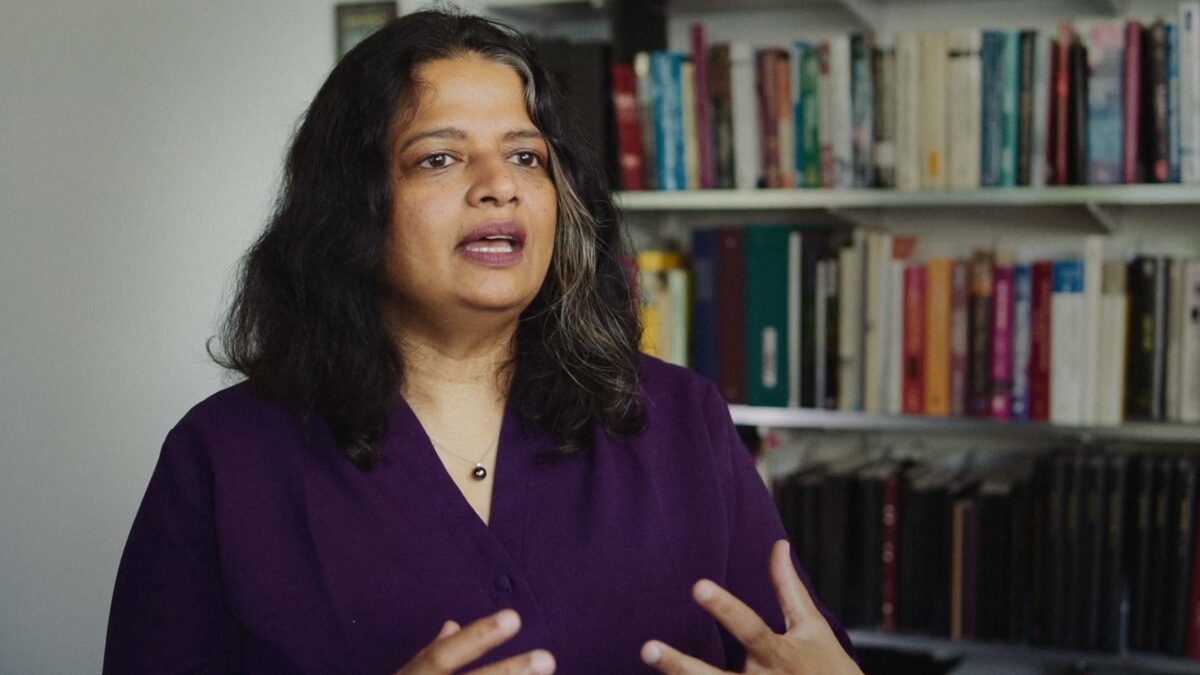
How math can improve fairness in elections, redistricting
January 24, 2024
A mathematician who has advised states and litigants on redistricting legislation will explore in a Feb. 5 lecture whether race-blind, computational approaches to law and policy can improve fairness.
Via:
Artificial Intelligence and Free Expression
January 24, 2024
Cornell faculty from across colleges and campuses explore the challenges new technologies bring.

Via:
Cornell, partners to supercharge NYS microchip industry
January 18, 2024
A consortium organized by Cornell and four other New York-based leaders in semiconductor research and development has been awarded $40 million by the U.S. Department of Defense to advance microelectronics innovation and manufacturing.

Via:
Task force offers guidance to researchers on use of AI
January 17, 2024
A multidisciplinary task force of Cornell faculty and staff has issued a report offering perspectives and practical guidelines for the use of generative artificial intelligence in the practice and dissemination of Cornell’s academic research.
Via:
Consortium aims to make NYS the world’s AI capital
January 12, 2024
A consortium aiming to make New York a global leader in artificial intelligence would help Cornell play a role in shaping the future of AI, promote responsible research and development, create jobs and unlock opportunities focused on public good.

Via:
ChatGPT ‘memorizes’ and spits out entire poems
January 9, 2024
Ask ChatGPT to find a well-known poem and it will probably regurgitate the entire text verbatim – regardless of copyright law – according to a new study by Cornell researchers.

Via:
Grant to validate blood test for early breast cancer detection
January 5, 2024
Weill Cornell Medicine researchers received a $2.4 million grant from the U.S. Department of Defense Breast Cancer Research Program to evaluate a test that uses an artificial intelligence algorithm to determine whether a patient is positive for cancer.