
Latest stories, updates, and announcements that highlight the people, research, and progress of AI throughout Cornell.
Want your news listed here? Email us.
AI Headlines from Around the University
Via:
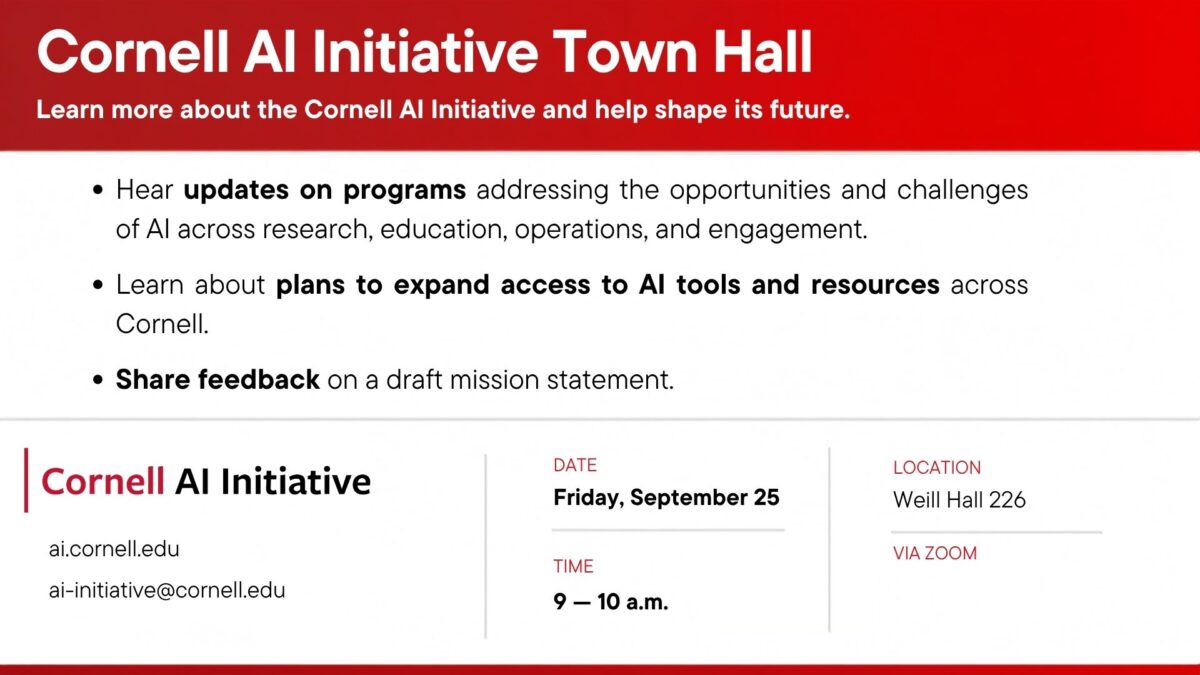
Cornell AI Initiative Town Hall Scheduled for Sept. 25
September 9, 2026
Faculty and staff are invited to a town hall on Friday, September 25, from 9 to 10 a.m. to learn more about the Cornell AI Initiative and help shape its future. The session will provide updates on programs designed to address the opportunities and challenges of AI across research, education, operations, and engagement. Leadership will also share the initiative’s strategy, discuss plans to expand access to AI tools, and seek feedback on a draft mission statement.

Via:
Cornell Unplugged encourages mindful tech use, social connection
September 9, 2026
New event asks the community to decrease technology use, increase face-to-face interaction and consider that every AI chat, doomscroll and text message has a water, energy and carbon footprint.

Via:
Cornellians to address AI, NY energy future at Climate Week NYC
September 9, 2026
Cornell and global leaders will come together at Climate Week NYC Sept. 20-27 to discuss some of the world’s most pressing sustainability challenges, including harnessing AI’s power while mitigating its negative impacts.
Via:
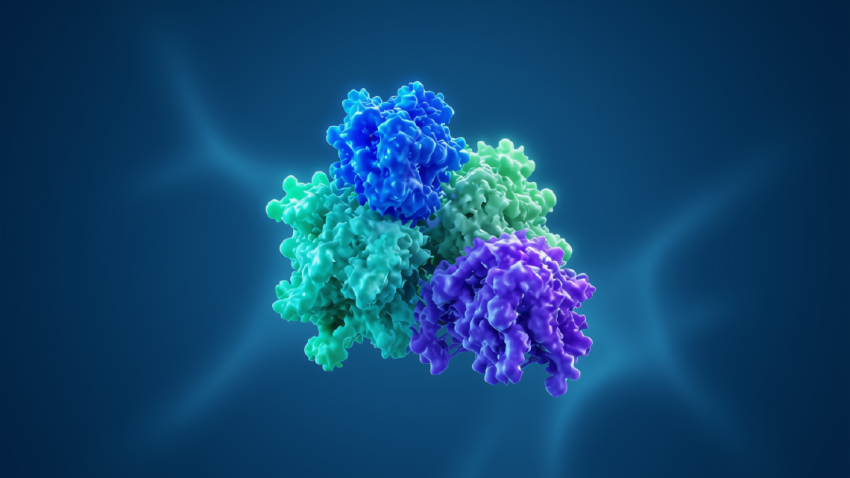
AI reveals new class of cellular ‘off switch’ linked to cancer pathways
September 9, 2026
Cornell researchers have used artificial intelligence to uncover a previously unknown way cells control how proteins move inside them, a process essential for growth, communication and movement, and one that is often disrupted in cancer.

Via:
AI’s Impact on Professional Work to be Examined by CAROW Yang-Tan Incubator Initiative
September 4, 2026
Much attention has been given to artificial intelligence displacing lower-skilled workers, but less is known about AI’s impact on professional work in high-skill fields, such as legal, finance, journalism and design, according to ILR Professor Sarosh Kuruvilla.

Via:
The Science Behind the Scroll: Donghui Li’s Path from Cornell Tech to TikTok
September 3, 2026
When a user discovers TikTok through an ad, a friend’s recommendation, or a chance scroll through the app store, it might feel like a simple moment. For Cornell Tech alumna Donghui Li, though, it’s a complex data problem hiding in plain sight — and solving it at global scale is what drives her.
Via:
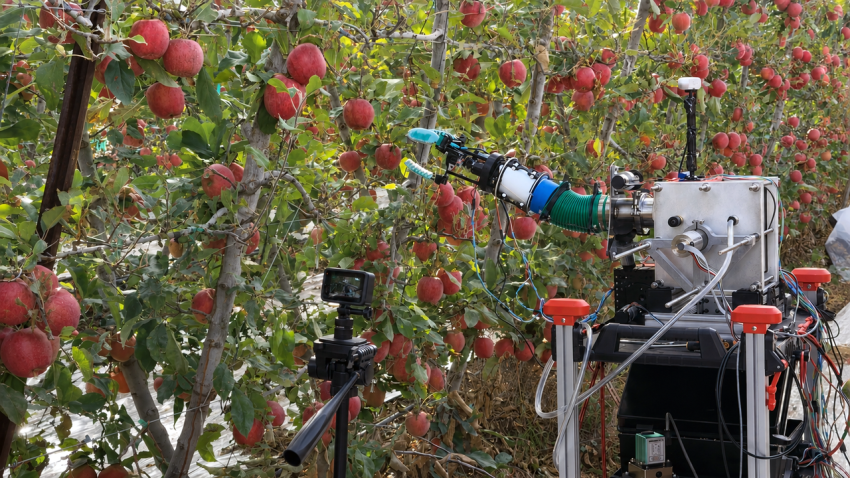
Cornell leads project putting robots to work in US orchards
September 3, 2026
A Cornell-led research project is developing robots that can perform labor-intensive orchard operations; it’s supported by a four-year, $7.5 million grant from the U.S. Department of Agriculture’s Specialty Crop Research Initiative.
Via:
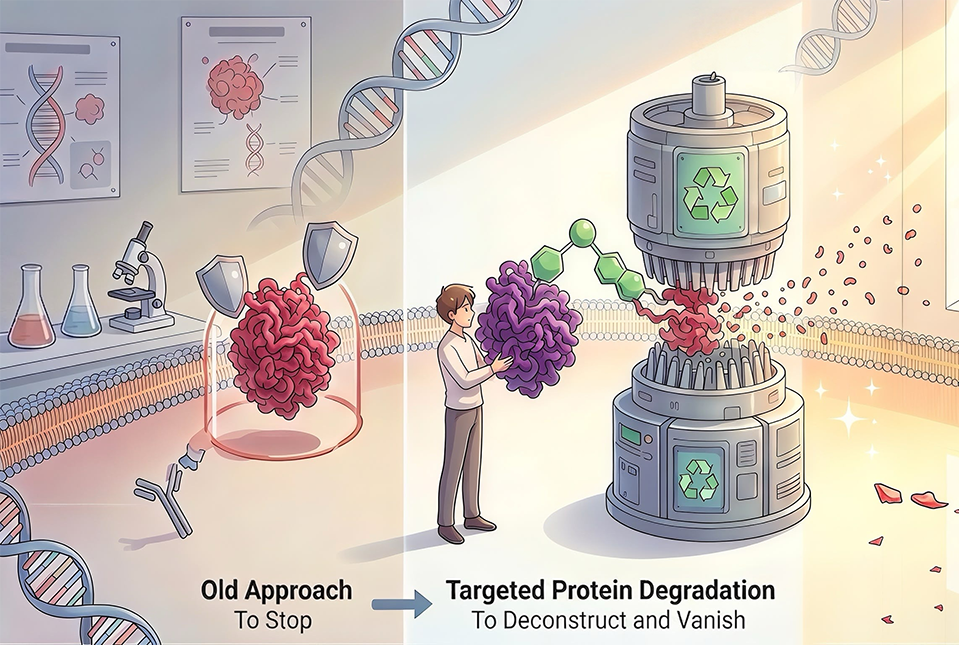
Model Helps Scientists Build Better Protein-Degrading Therapies
September 1, 2026
A team of Weill Cornell Medicine investigators has developed a computer model that will help scientists more efficiently develop protein-destroying therapies, a newer type of treatment that is particularly promising for cancer. The study was published July 13 in Nature Communications.
Via:
What happened when we put AI to work?
August 28, 2026
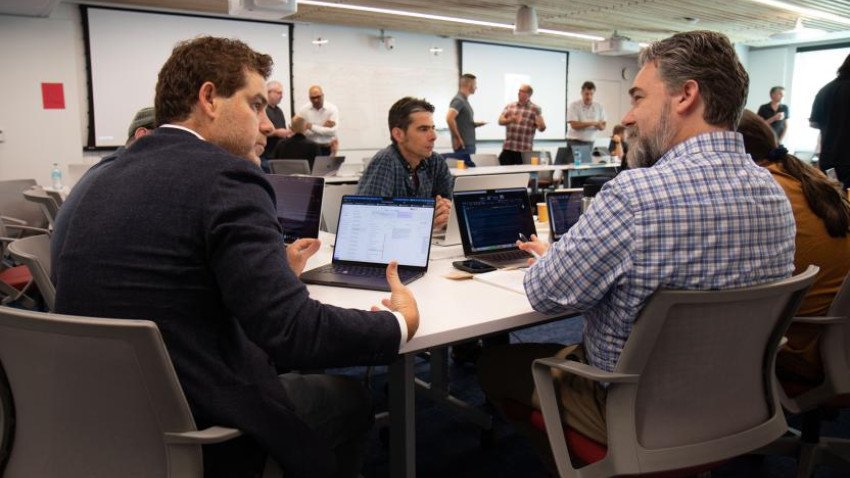
Thirty participants from 23 units across eight colleges gathered in early August to explore what an AI-enabled future of software development might look like at Cornell. They expected to share tools, compare approaches, and test new ideas. Instead, many left talking about something else entirely: people.