
Latest stories, updates, and announcements that highlight the people, research, and progress of AI throughout Cornell.
Want your news listed here? Email us.
AI Headlines from Around the University
Via:
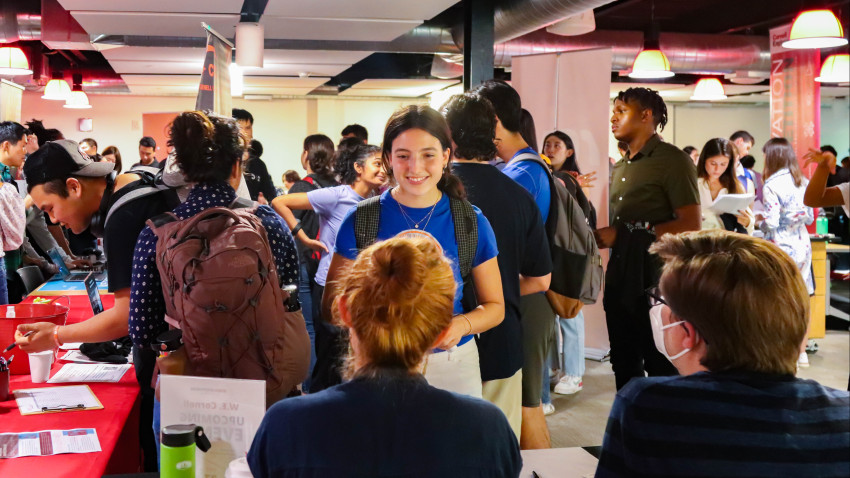
Entrepreneurial students win awards for summer work on their startups
May 1, 2026
Thirty student startups received Human Spirit, Beck Fellows and Cane Entrepreneurial Scholars awards this summer from Entrepreneurship at Cornell, funding that will allow students to work on their startups rather than take traditional summer positions.

Via:
Cornell Tech announces the 2026 Startup Awards and the Inaugural Frontiers of AI Summit
May 1, 2026
As the 2025–26 academic year comes to a close, Cornell Tech will host a series of events throughout May showcasing student achievement, entrepreneurship, design, and the future of emerging technologies.
Via:
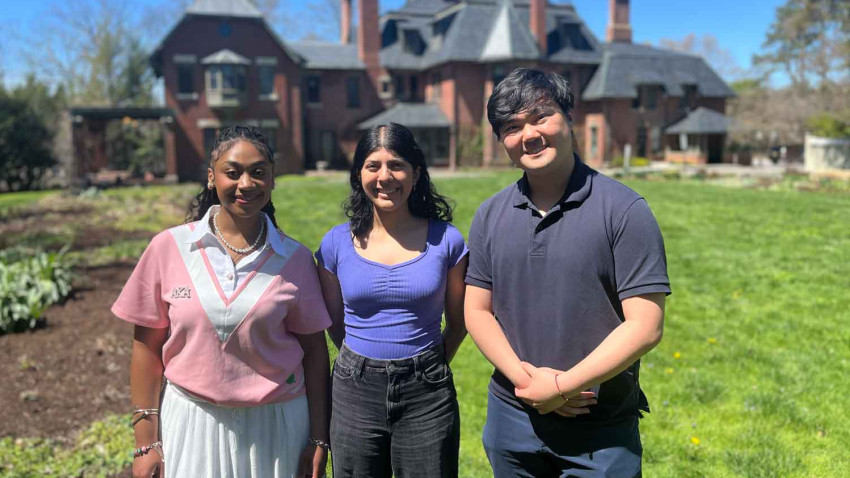
Humanities scholars tackle research across disciplines
April 29, 2026
The work of the Humanities scholars spans across humanities fields and also highlights intersections with science, technology, business, law and other disciplines.
Via:
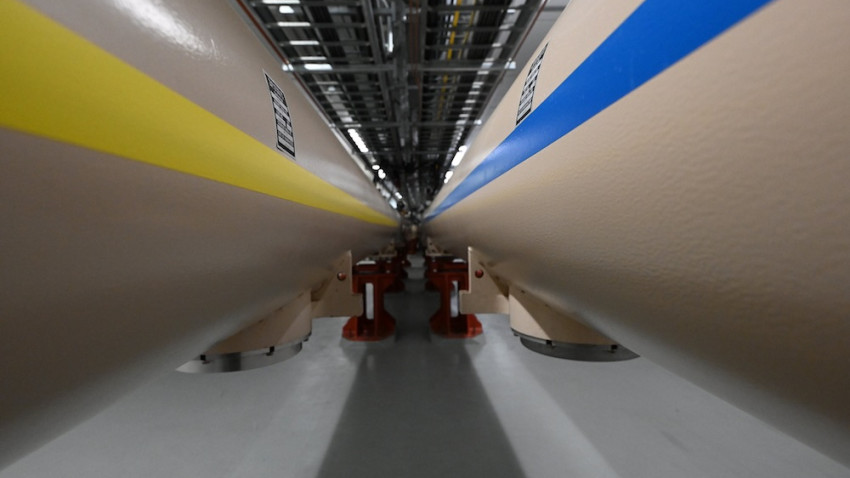
Teaching AI to operate particle accelerators with DOE grant
April 22, 2026
Georg Hoffstaetter de Torquat, professor of physics, is leading a $2.9 million Department of Energy grant project to train AI systems on computer models of two accelerators at Brookhaven National Laboratory.

Via:
Course: Understanding and using the superpowers of AI
April 22, 2026
New Online Course for High School and College Students

Via:
AI & Society Seed Grants
April 22, 2026
Internal funding to support social science and humanities research on the societal impacts of AI.
Deadline: August 15, 2026.
Via:
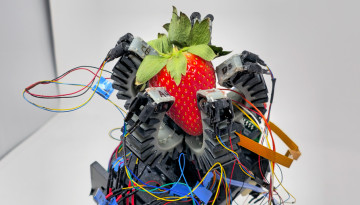
Handle with care: Soft robot gripper picks ripe fruit without bruising
April 20, 2026
Cornell researchers used stretchable fiber-optic sensors to create a soft robot gripper that can predict the ripeness of strawberries by touch, then pick them without causing any damage.

Via:
AI tools to help vision-impaired are good, but could be better
April 16, 2026
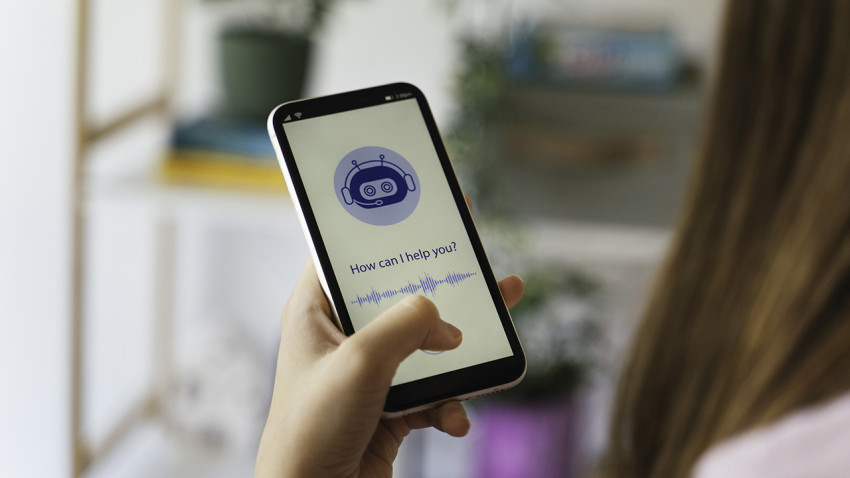
Artificial intelligence is touching nearly every aspect of life, including assistive technology for vision-impaired individuals. And just like in other arenas, the AI used to assist them is good, but far from perfect.
Via:
Making AI safer for victims of intimate partner violence
April 16, 2026
Conversational AI tools denied blunt requests for harmful content by researchers posing as intimate partner abusers, but these guardrails were easily circumvented, a new Cornell Tech study has found.