
Latest stories, updates, and announcements that highlight the people, research, and progress of AI throughout Cornell.
Want your news listed here? Email us.
AI Headlines from Around the University
Via:
Cornellians to address AI, NY energy future at Climate Week NYC
September 9, 2026
Cornell and global leaders will come together at Climate Week NYC Sept. 20-27 to discuss some of the world’s most pressing sustainability challenges, including harnessing AI’s power while mitigating its negative impacts.
Via:
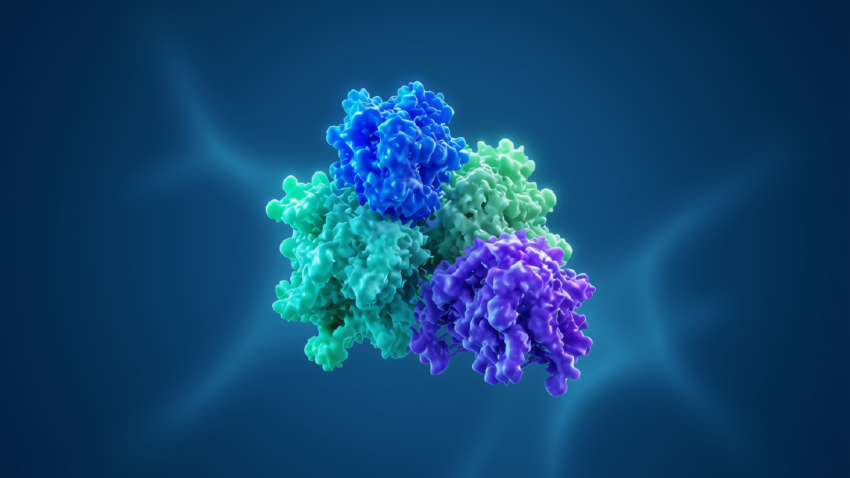
AI reveals new class of cellular ‘off switch’ linked to cancer pathways
September 9, 2026
Cornell researchers have used artificial intelligence to uncover a previously unknown way cells control how proteins move inside them, a process essential for growth, communication and movement, and one that is often disrupted in cancer.

Via:
AI’s Impact on Professional Work to be Examined by CAROW Yang-Tan Incubator Initiative
September 4, 2026
Much attention has been given to artificial intelligence displacing lower-skilled workers, but less is known about AI’s impact on professional work in high-skill fields, such as legal, finance, journalism and design, according to ILR Professor Sarosh Kuruvilla.

Via:
The Science Behind the Scroll: Donghui Li’s Path from Cornell Tech to TikTok
September 3, 2026
When a user discovers TikTok through an ad, a friend’s recommendation, or a chance scroll through the app store, it might feel like a simple moment. For Cornell Tech alumna Donghui Li, though, it’s a complex data problem hiding in plain sight — and solving it at global scale is what drives her.
Via:
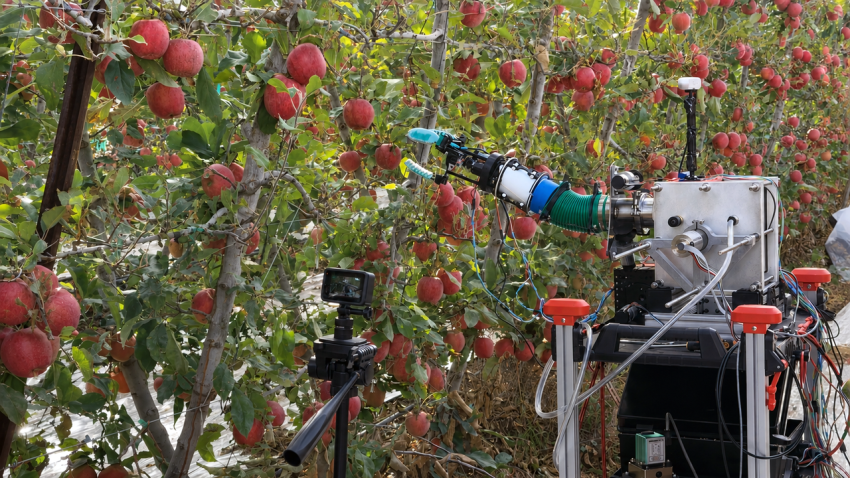
Cornell leads project putting robots to work in US orchards
September 3, 2026
A Cornell-led research project is developing robots that can perform labor-intensive orchard operations; it’s supported by a four-year, $7.5 million grant from the U.S. Department of Agriculture’s Specialty Crop Research Initiative.
Via:
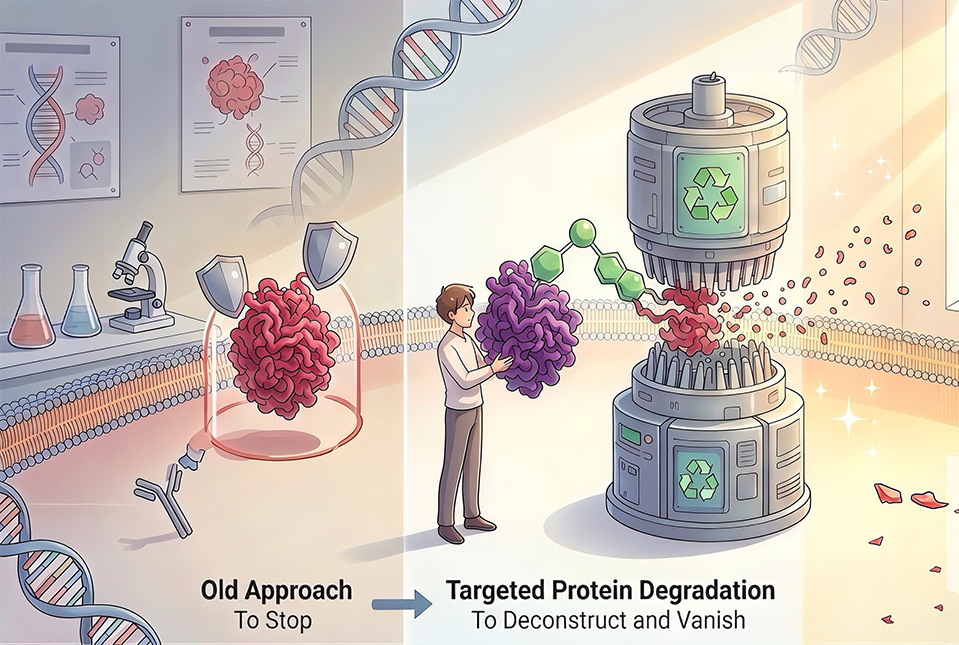
Model Helps Scientists Build Better Protein-Degrading Therapies
September 1, 2026
A team of Weill Cornell Medicine investigators has developed a computer model that will help scientists more efficiently develop protein-destroying therapies, a newer type of treatment that is particularly promising for cancer. The study was published July 13 in Nature Communications.
Via:
What happened when we put AI to work?
August 28, 2026
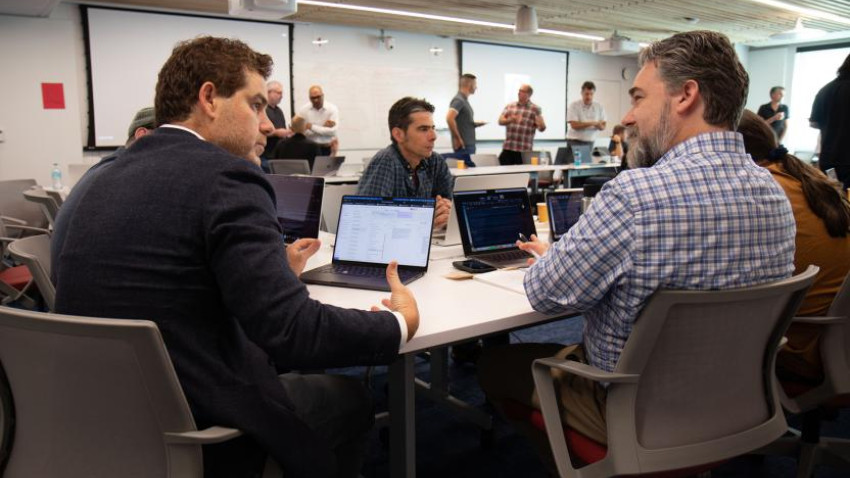
Thirty participants from 23 units across eight colleges gathered in early August to explore what an AI-enabled future of software development might look like at Cornell. They expected to share tools, compare approaches, and test new ideas. Instead, many left talking about something else entirely: people.
Via:
Campaign closes with record support for students and research
August 27, 2026
Cornell’s To Do the Greatest Good campaign surpassed its goal of raising more than $5 billion and engaging more than 200,000 alumni – achievements that will enhance opportunities for students and accelerate critical faculty research.

Via: Ars Technica
How Much of a Problem Is AI’s Water Use?
August 27, 2026
Fengqi You, energy systems expert at Cornell University, discusses methods to reduce AI data centers’ water use.