
Latest stories, updates, and announcements that highlight the people, research, and progress of AI throughout Cornell.
Want your news listed here? Email us.
AI Headlines from Around the University
Via:
Speeding up a manual process helps Cornell recover $100,000
July 2, 2026
A two-semester collaboration between the Cornell AI Innovation Hub, graduate students and the Cornell Treasury Operations team transformed a time‑consuming, manual investigation process into a tool that helps staff process cryptic payments.
Via:
Speeding up a manual process helps Cornell recover $100,000
July 2, 2026
A two-semester collaboration between the Cornell AI Innovation Hub, graduate students and the Cornell Treasury Operations team transformed a time‑consuming, manual investigation process into a tool that helps staff process cryptic payments.

Via:
Can AI plan for heat emergencies better than simple rules? It depends
July 1, 2026
For consequential decision-making, the benefits of a simple index score vs. a less-interpretable predictive AI algorithm depend, researchers from Cornell found, on the desired outcome as well as the decision’s intended audience.

Via:
Can AI plan for heat emergencies better than simple rules? It depends
July 1, 2026
For consequential decision-making, the benefits of a simple index score vs. a less-interpretable predictive AI algorithm depend, researchers from Cornell found, on the desired outcome as well as the decision’s intended audience.
Via:
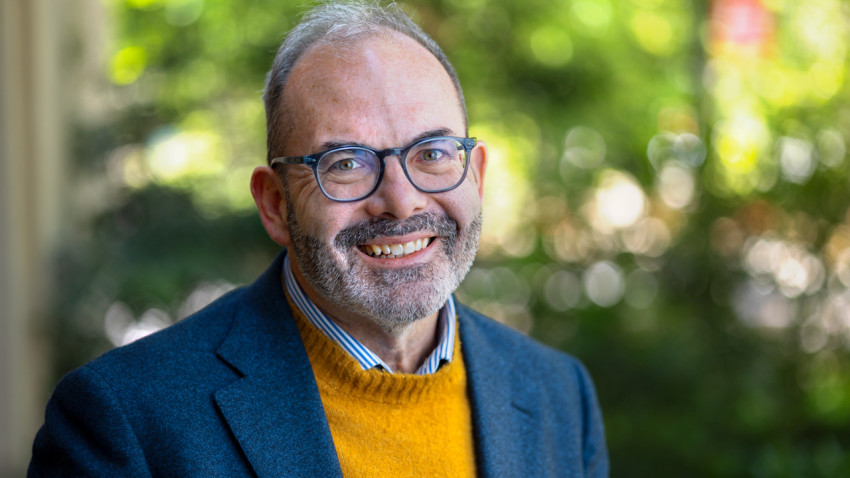
Matt Marx named vice provost for entrepreneurship, innovation and external engagement
June 30, 2026
Marx will establish and serve as inaugural director of the Cornell Center for Entrepreneurship and Innovation, to boost university efforts to commercialize breakthrough scientific discoveries.
Via:
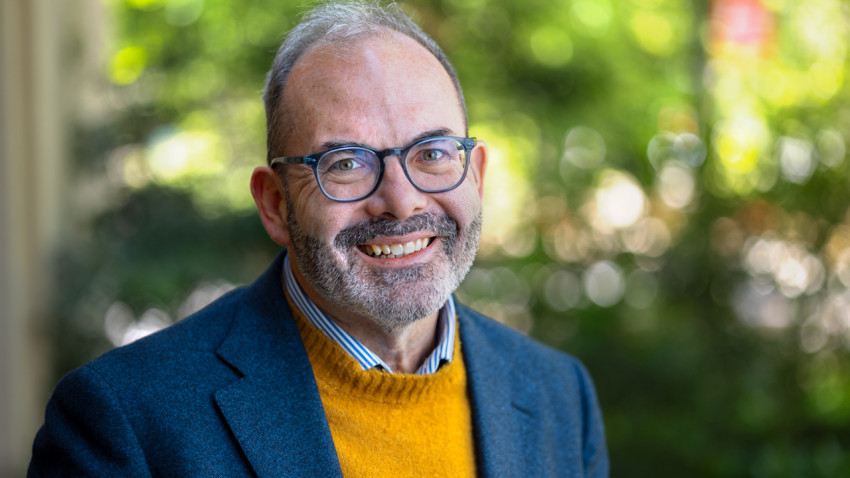
Matt Marx named vice provost for entrepreneurship, innovation and external engagement
June 30, 2026
Marx will establish and serve as inaugural director of the Cornell Center for Entrepreneurship and Innovation, to boost university efforts to commercialize breakthrough scientific discoveries.
Via:
AI is changing expectations for MBA graduates
June 29, 2026
While MBA job prospects are expected to remain stable in the near future, new hires will be held to higher standards inside rapidly evolving workplaces.
Via:
AI is changing expectations for MBA graduates
June 29, 2026
While MBA job prospects are expected to remain stable in the near future, new hires will be held to higher standards inside rapidly evolving workplaces.

Via:
Duffield Engineering SPROUT Awards for emerging research reach new high
June 26, 2026
The 16 grants are the most the SPROUT program has awarded in a single cycle and support a broad range of promising projects in AI, medicine, semiconductors, sustainability and more.