
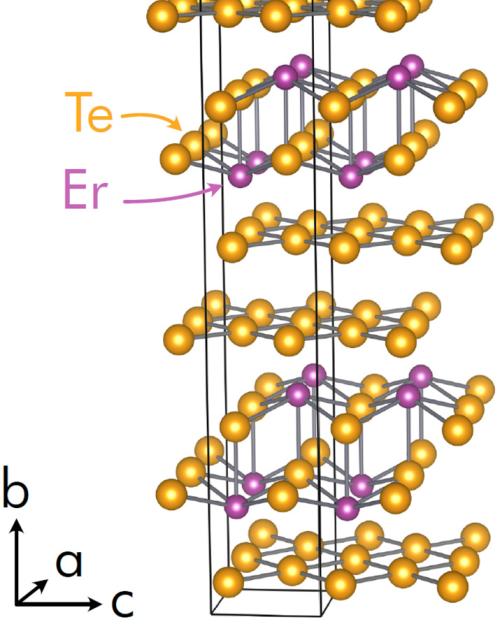
The discovery settles a long-standing question of whether this almost–but not quite–ordered state of Bragg glass can exist in real materials.
News Category
Scientific Discovery
The discovery settles a long-standing question of whether this almost–but not quite–ordered state of Bragg glass can exist in real materials.

Cornell’s participation in the U.S. Commerce Department initiative will help advance development and deployment of safe and trustworthy artificial intelligence technology.

A consortium organized by Cornell and four other New York-based leaders in semiconductor research and development has been awarded $40 million by the U.S. Department of Defense to advance microelectronics innovation and manufacturing.
A consortium aiming to make New York a global leader in artificial intelligence would help Cornell play a role in shaping the future of AI, promote responsible research and development, create jobs and unlock opportunities focused on public good.

Cornell has signed on as an inaugural member of the AI Alliance, an international community of researchers, developers and organizational leaders committed to supporting and enhancing open innovation in artificial intelligence.

Students are experimenting with generative artificial intelligence in everything from essay writing to computer code creation.

Carla Gomes talks to Nature on new AI-guided materials discovery research
A team of Cornell computer scientists has been awarded a $3 million grant from the Defense Advanced Research Projects Agency to leverage reinforcement learning to make computer networks stronger, dynamic and more secure.