
The AI sector is not in a bubble market, but the prices of some individual AI companies behave with the price variability and exuberance characteristic of a bubble, according to new Cornell research.
News Category
News
The AI sector is not in a bubble market, but the prices of some individual AI companies behave with the price variability and exuberance characteristic of a bubble, according to new Cornell research.
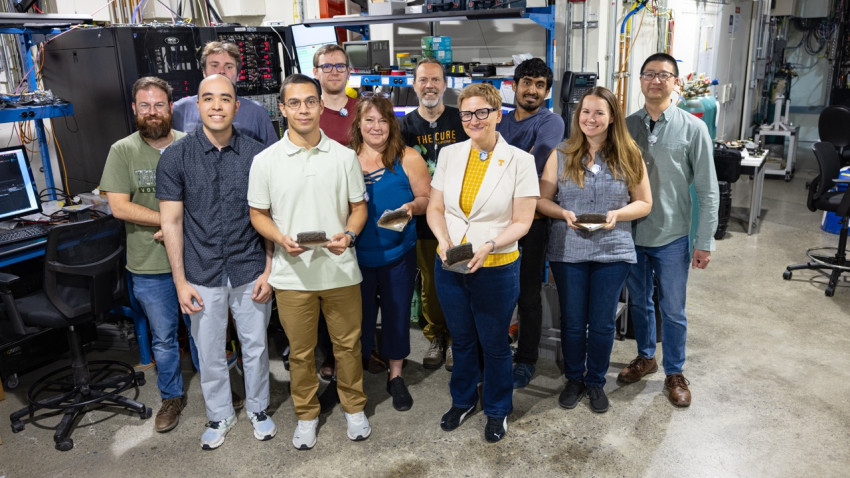
An X-ray experiment at Cornell recently did something unusual: It decided for itself where to take its next measurement.
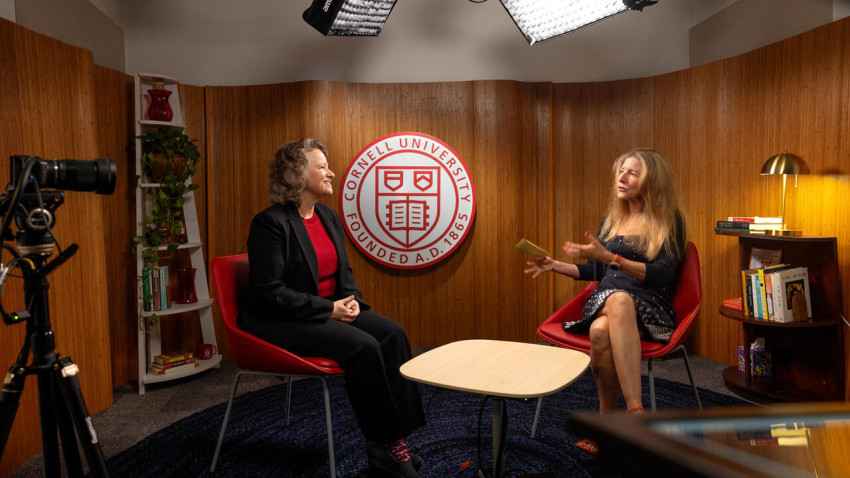
The second season of Research Matters, a Cornell video podcast, drops today, with a way-too-relevant episode on why we don’t always do the things we know we should.
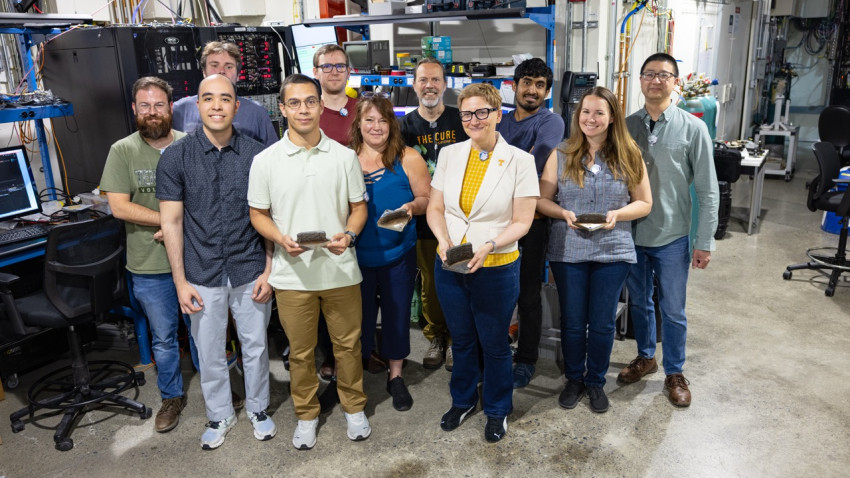
An X-ray experiment at Cornell recently did something unusual: It decided for itself where to take its next measurement.
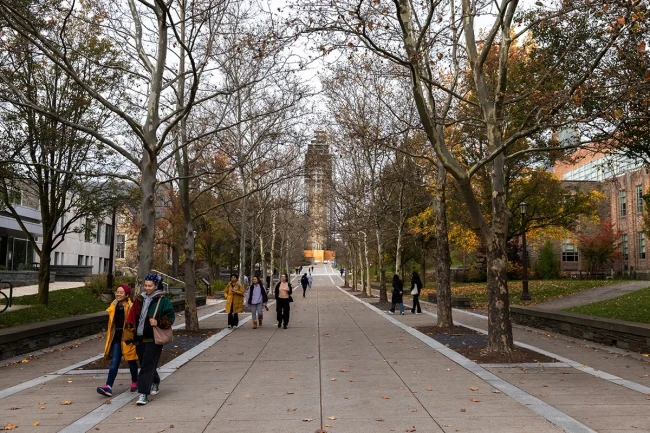
The university’s new Accepting Responsibility program encourages students to reflect on their academic integrity violations and promotes ethical decision-making.
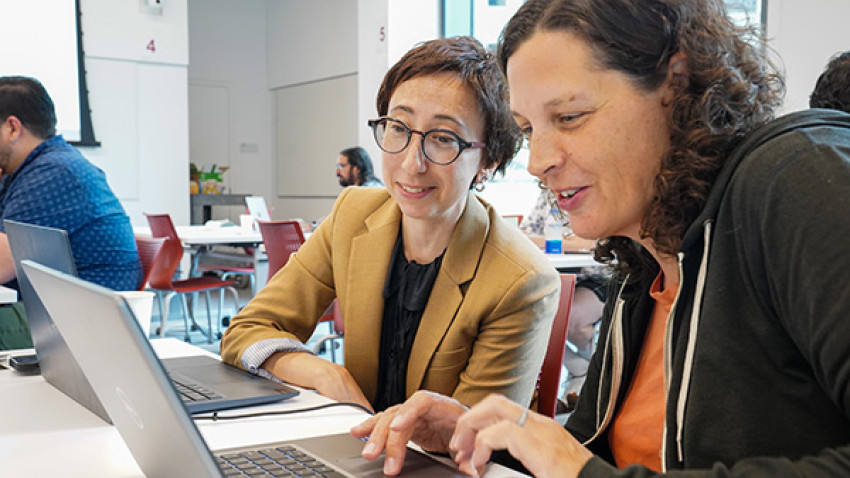
“We Do AI” was the first educational series at Cornell to provide staff across an entire college with advanced training in how to use AI effectively in their daily workflows.
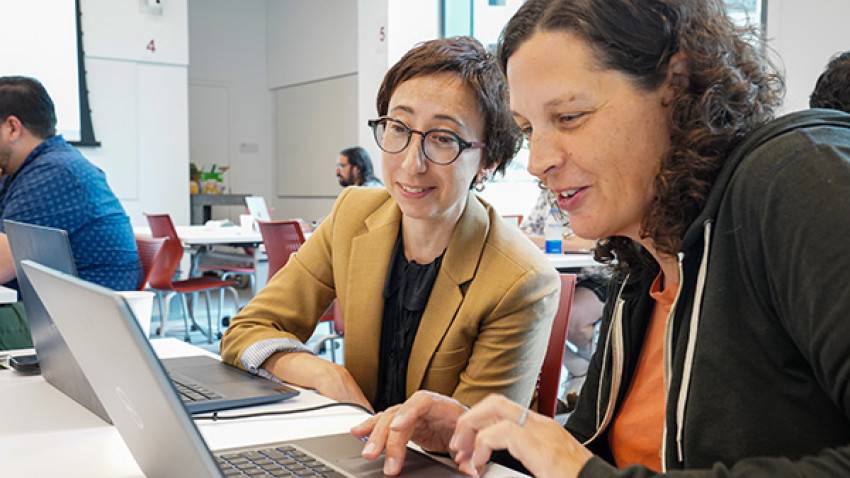
“We Do AI” was the first educational series at Cornell to provide staff across an entire college with advanced training in how to use AI effectively in their daily workflows.
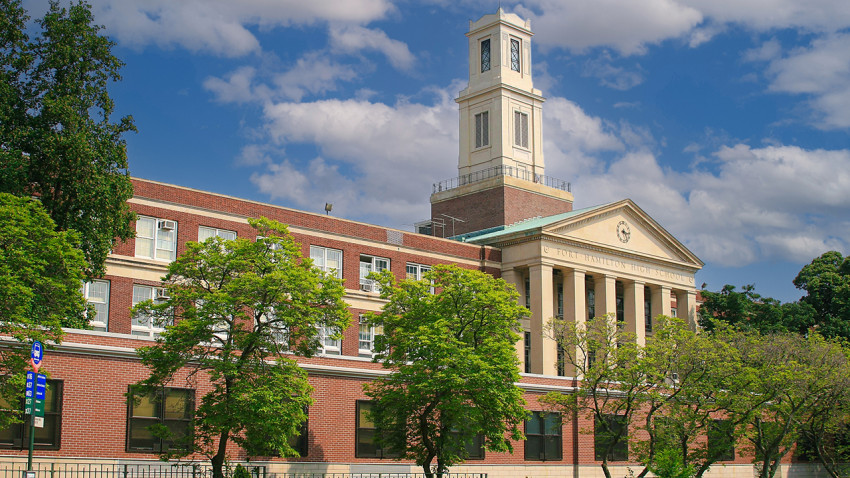
Many New York City eighth-graders – particularly those from underserved communities – aren’t applying to academically competitive high schools where they could succeed, according to new Cornell research.