
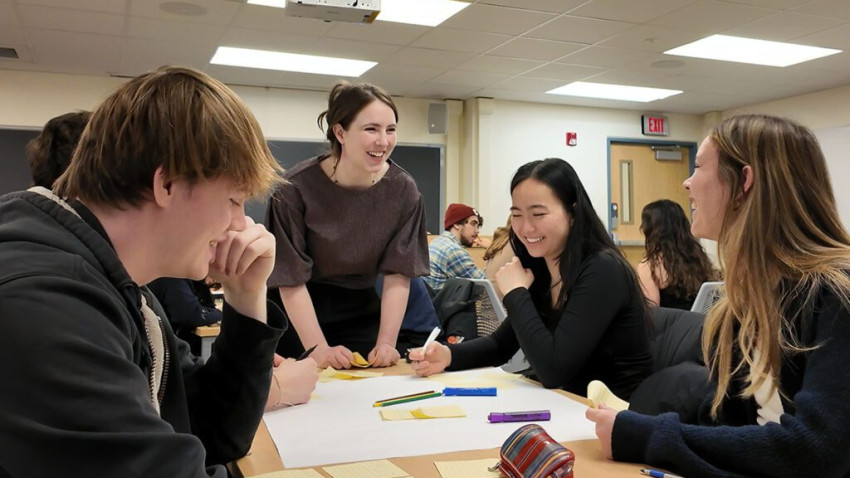
Cornell has received a $750,000 grant to study AI-powered reflection tools that build student critical thinking skills.
News Category
News
Cornell has received a $750,000 grant to study AI-powered reflection tools that build student critical thinking skills.

Cornell University’s new initiative asks students to rethink their tech habits—and when screens may interfere with learning, attention and social connection.
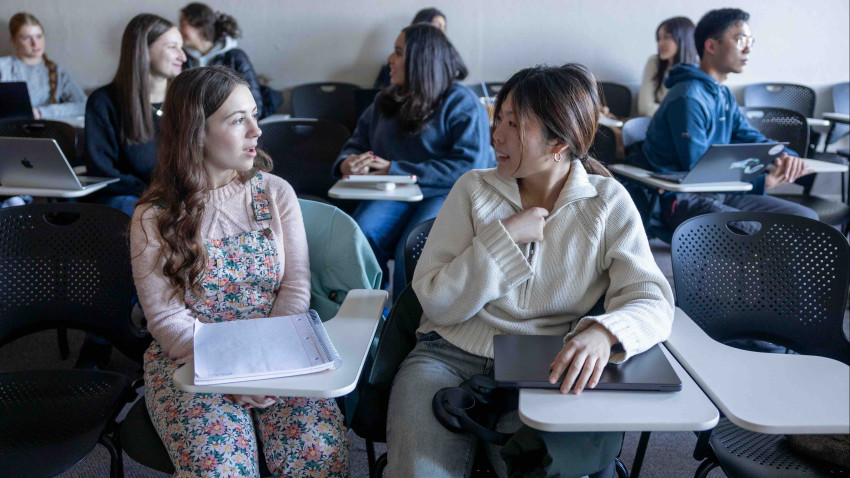
An innovative major in the College of Arts & Sciences is being expanded and refined to highlight its combination of science, social science and the humanities and its relevance to careers today.
A $1.49 million award from the John Templeton Foundation will enable Cornell researchers Gordon Pennycook and David Rand ’04 to explore whether artificial intelligence can be used to understand and increase open-mindedness.

Contrary to some predictions, the use of artificial intelligence (AI) agents could lead to more, not fewer, health care professionals working in the United States, according to a new article by a physician and health policy researcher at Weill Cornell Medicine who surveyed economic theory and the history of technology in health care.
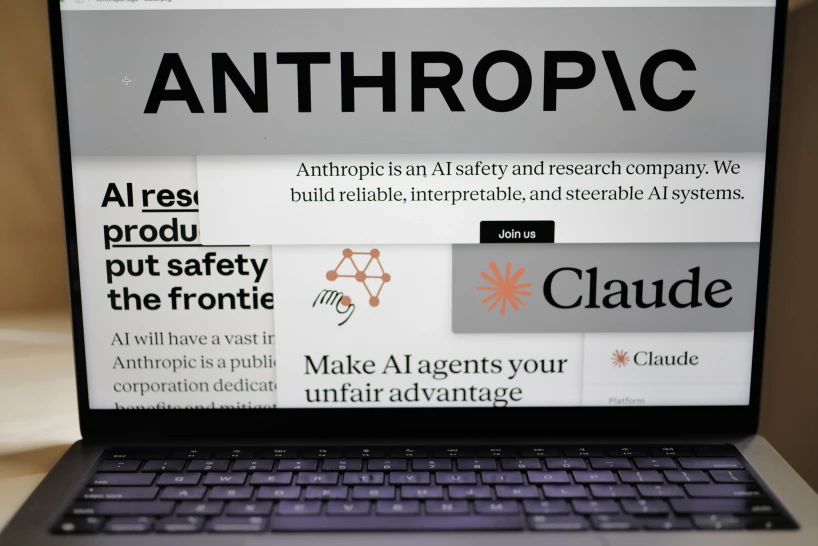
John Thickstun, an assistant professor of computer science, addressed the challenges AI companies face in making societal value judgments without democratic oversight.
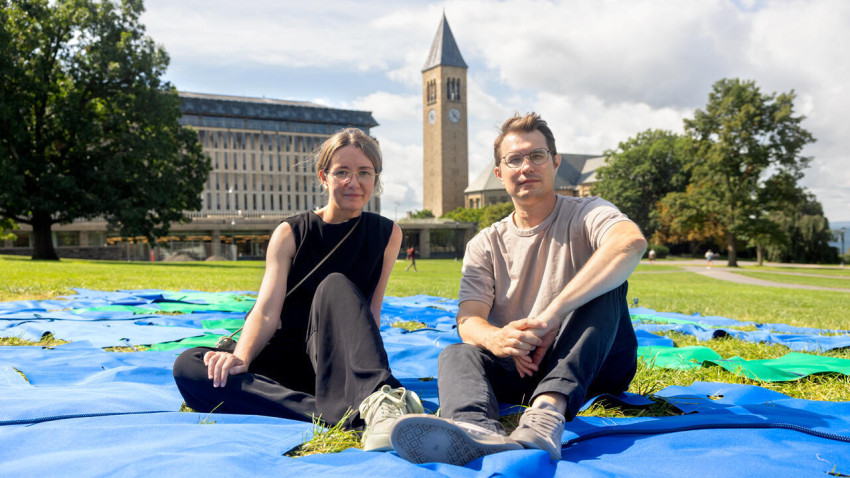
“Vibe Coating” integrates green-screen technology and AI to visualize participants’ prompts as an immersive, continuously changing environment.

Sarah Kreps, director of Cornell’s Tech Policy Institute, comments on voters’ desire for authenticity and skepticism toward AI-generated content in political ads.