
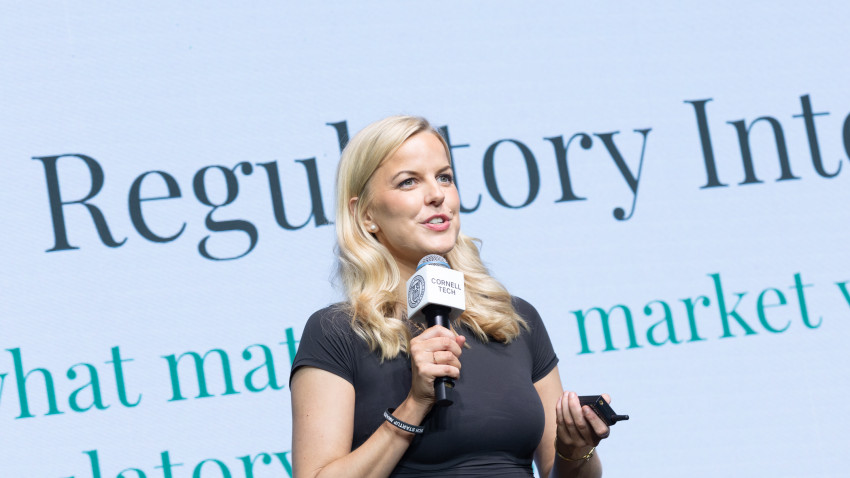
The startups each won $100,000 investments during the university’s annual Startup Awards competition, held May 14.
News Category
News
The startups each won $100,000 investments during the university’s annual Startup Awards competition, held May 14.

A $1.25 million seed grant from James C. Morgan ’60, MBA ’63, and Rebecca Quinn Morgan ’60 will support the establishment of an AI fellows program focused on operational and administrative transformation.

A new tool is designed to help users rank a set of choices – such as job applicants, graduate schools, even Oscar candidates.
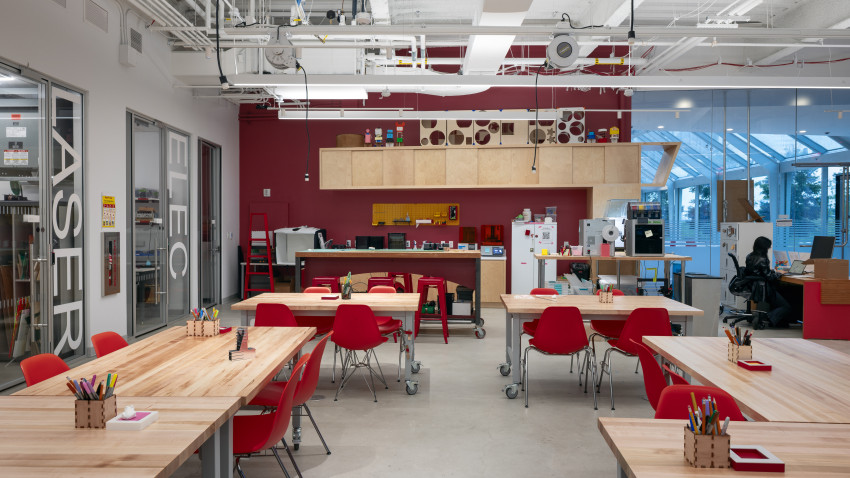
A new Cornell Tech-led study invites healthcare workers, long-term care residents, and community members to help design the robots themselves.

J. Nathan Matias, assistant professor of communication, is a co-author of “Auditing AI,” which offers AI users from all walks of life an introduction into AI evaluation, which is key for developing trust in the technology.
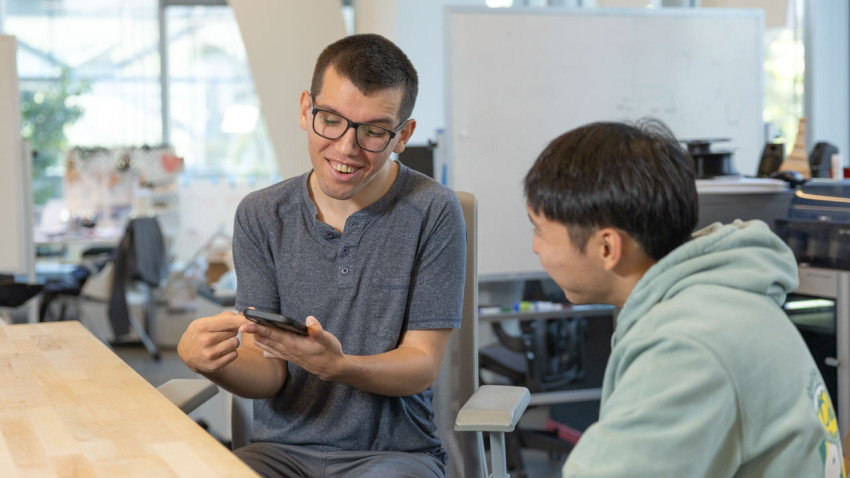
Ultra-personalized AI for assisted communication risks muting aspects of the user’s identity and can breach privacy, according to a study from a Cornell Tech doctoral student who trained the technology on himself.
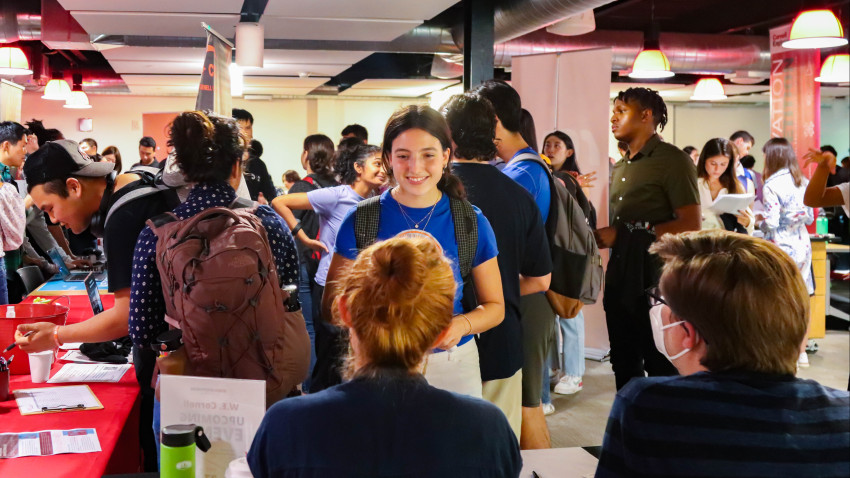
Thirty student startups received Human Spirit, Beck Fellows and Cane Entrepreneurial Scholars awards this summer from Entrepreneurship at Cornell, funding that will allow students to work on their startups rather than take traditional summer positions.

As the 2025–26 academic year comes to a close, Cornell Tech will host a series of events throughout May showcasing student achievement, entrepreneurship, design, and the future of emerging technologies.