
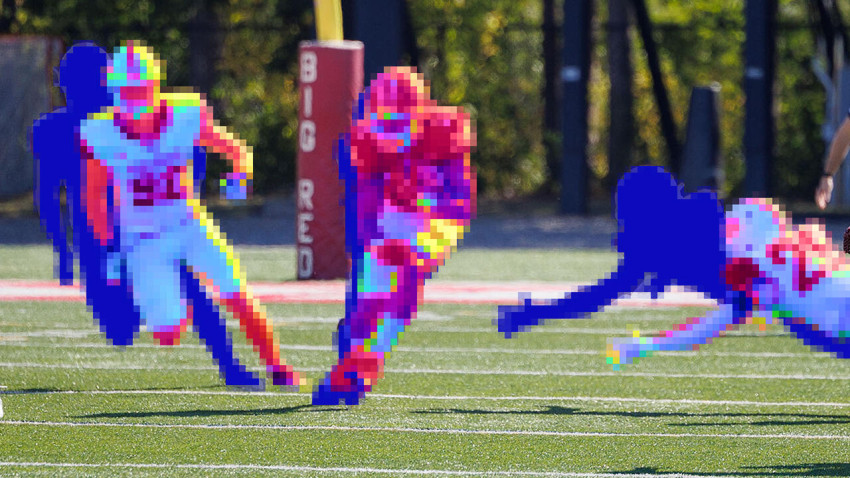
A Cornell research group has devised a way to generate an image of multiple people, incorporating the poses of all individuals to inform the image generation and make the scene more believable and accurate.
News Category
News
A Cornell research group has devised a way to generate an image of multiple people, incorporating the poses of all individuals to inform the image generation and make the scene more believable and accurate.
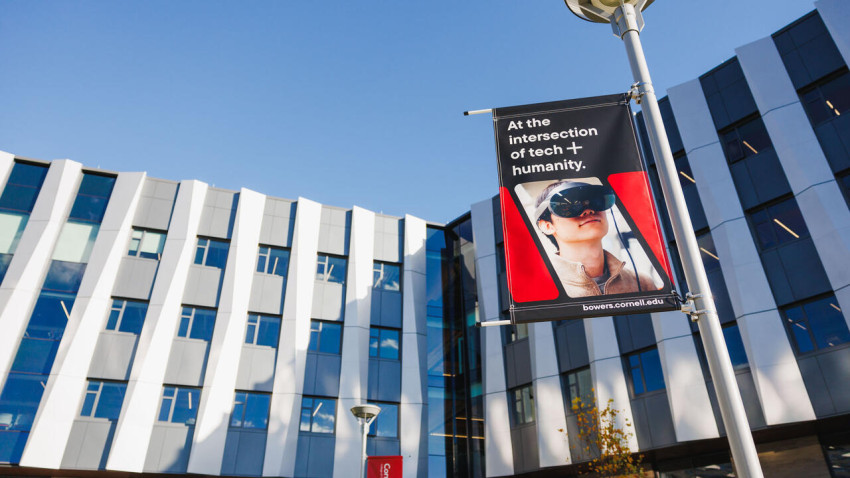
LinkedIn and the Cornell Ann S. Bowers College of Computing and Information Science announce the fifth and final group of researchers to receive grants from their strategic partnership.

A new model offers a proof-of-principle for how AI might be used to shed light on obscure biological processes.
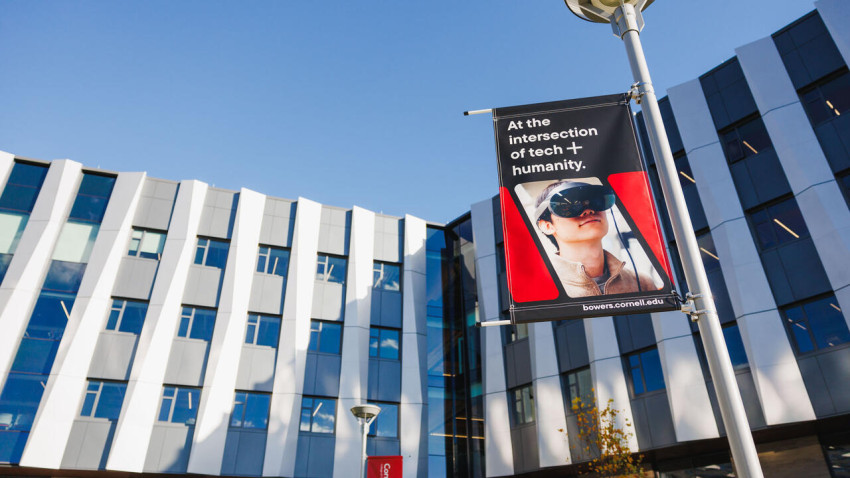
LinkedIn and the Cornell Ann S. Bowers College of Computing and Information Science announce the fifth and final group of researchers to receive grants from their strategic partnership.

A new model offers a proof-of-principle for how AI might be used to shed light on obscure biological processes.

Two Cornell-led research teams have been selected to receive nearly $1.2 million through Phase I of the U.S. Department of Energy’s Genesis Mission.

Two Cornell-led research teams have been selected to receive nearly $1.2 million through Phase I of the U.S. Department of Energy’s Genesis Mission.
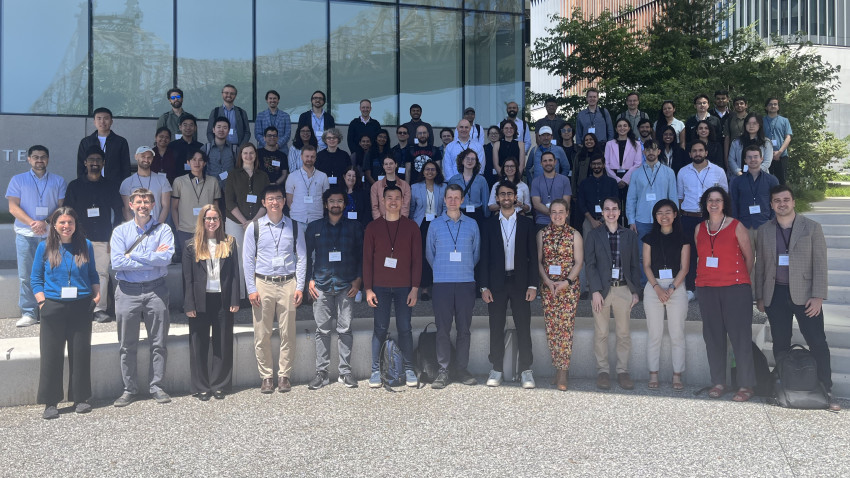
Researchers from around the world gathered at Cornell Tech for a workshop exploring how physics-aware artificial intelligence can accelerate the discovery of molecules and materials while improving the reliability of machine learning models.