
In its world-class research and teaching, Cornell Bowers CIS is uniquely positioned to guide tomorrow’s innovators as they dive into issues of ethics, fairness and privacy, while weighing the policy implications of technological advances.

News Category
Featured
In its world-class research and teaching, Cornell Bowers CIS is uniquely positioned to guide tomorrow’s innovators as they dive into issues of ethics, fairness and privacy, while weighing the policy implications of technological advances.

Researchers have developed an AI tool that uses machine learning and large language models to identify treatment options based on patients’ diagnoses, demographic information and priorities.
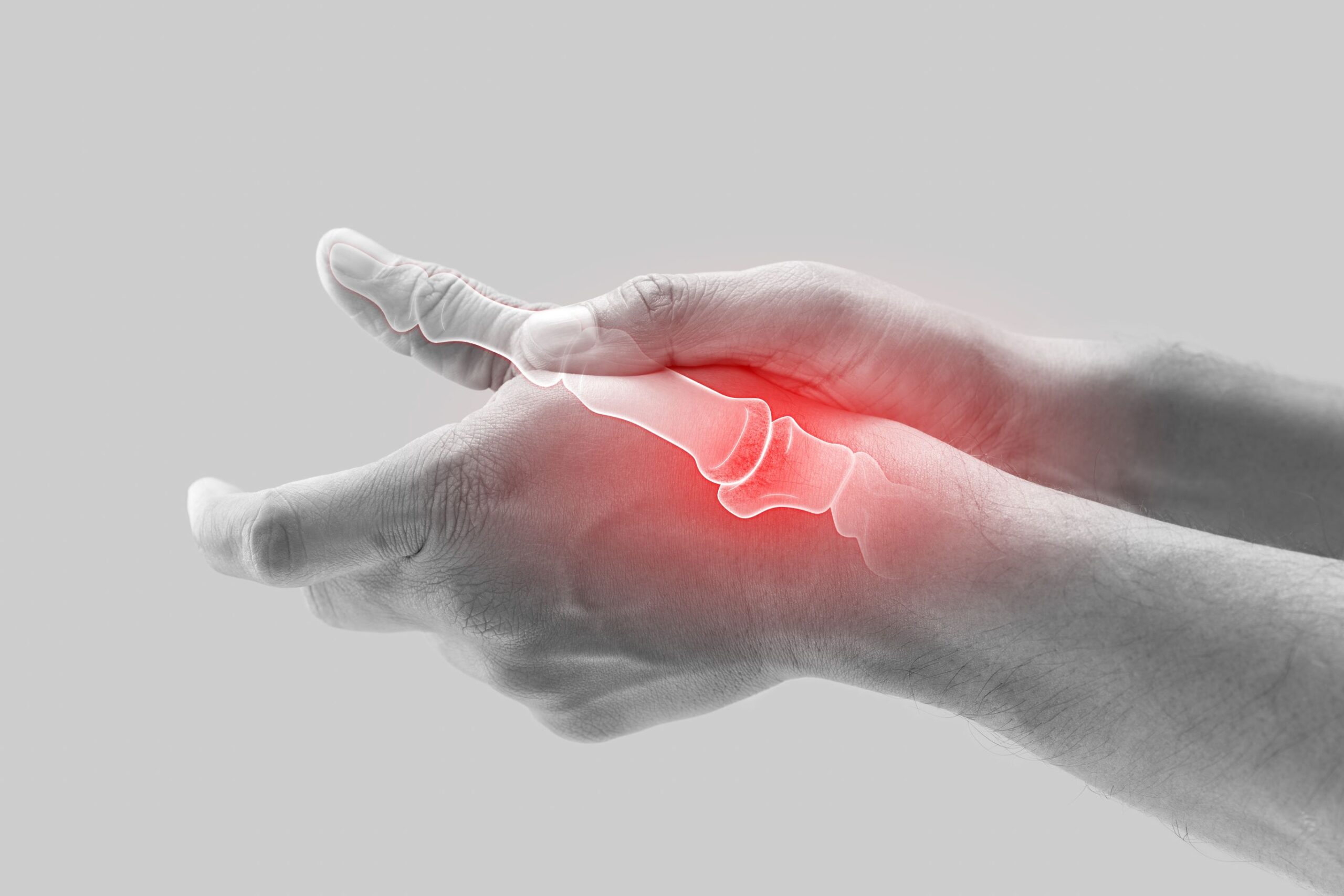
A new study supported in part by NIH and reported in Science Translational Medicine suggests that in some people with RA, the joint lining may direct the growth of pain-sensing neurons to cause pain in the absence of inflammation. This discovery, made possible with the help of machine learning, suggests potential new ways to treat this painful disease.

Empire AI, a $400 million effort to create a shared academic research computing facility, is set to advance dozens of ambitious, cross-disciplinary projects at Cornell.

Beginning Fall 2024, Cornell undergraduates can minor in artificial intelligence (AI).
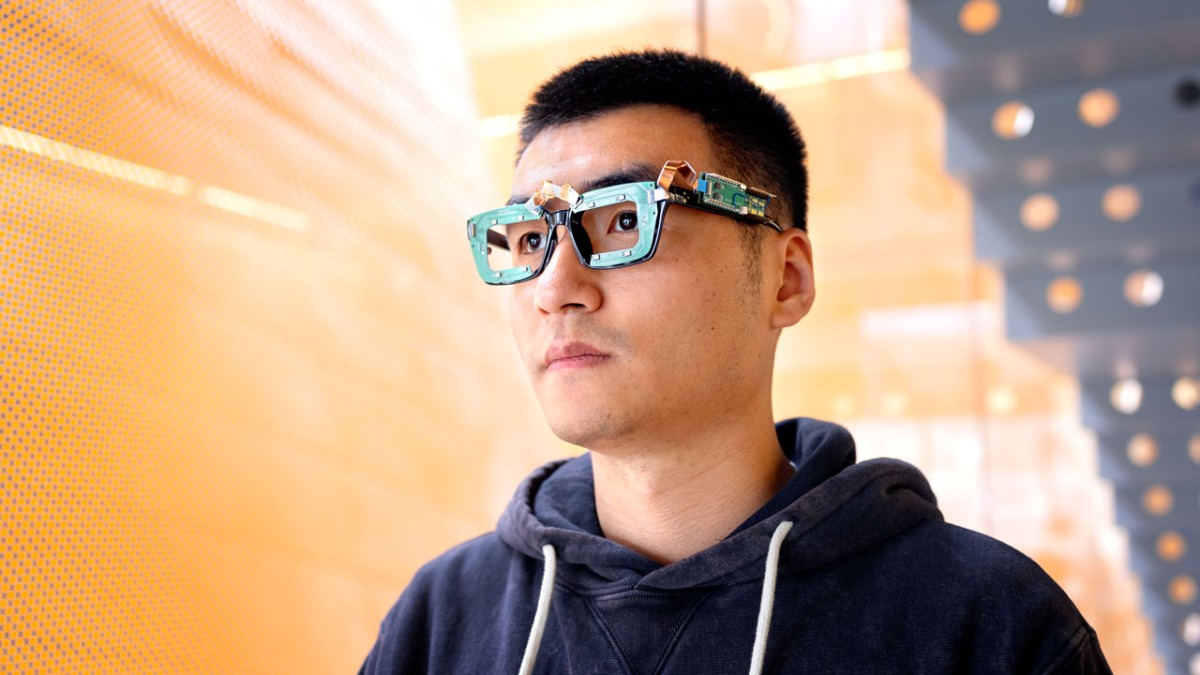
Cornell researchers have developed two technologies that track a person’s gaze and facial expressions through sonar-like sensing.

Feline-centric chatbot connects cat owners with credible, science-based information in a novel way. Users can ask the chatbot questions, get to the answers quickly and ask follow-up questions – or even play games.

Cornell faculty from across colleges and campuses explore the challenges new technologies bring.