
The gift from Josh Kulkin ’01 will bolster the university’s position as a world leader in foundational artificial intelligence research.

News Category
Featured
The gift from Josh Kulkin ’01 will bolster the university’s position as a world leader in foundational artificial intelligence research.
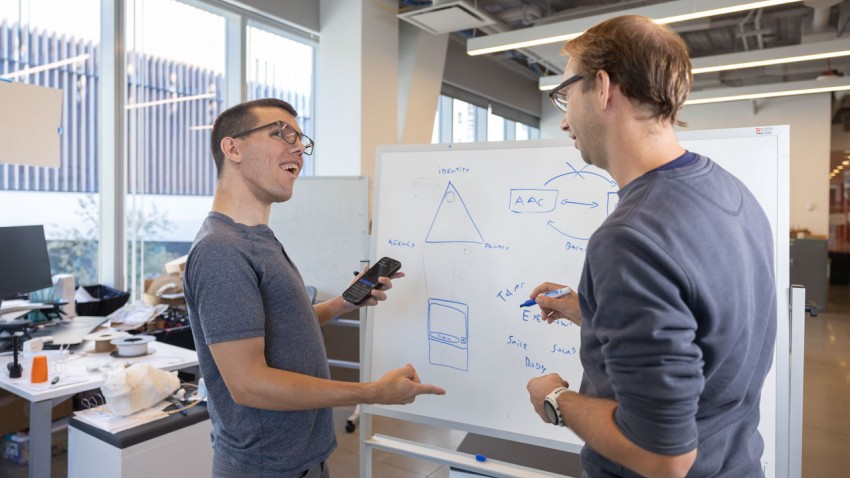
At 15, Tobias Weinberg lost the ability to speak – now as a Ph.D. student at Cornell Tech, he’s using AI to improve the technologies he and others with speech disabilities rely on to communicate.
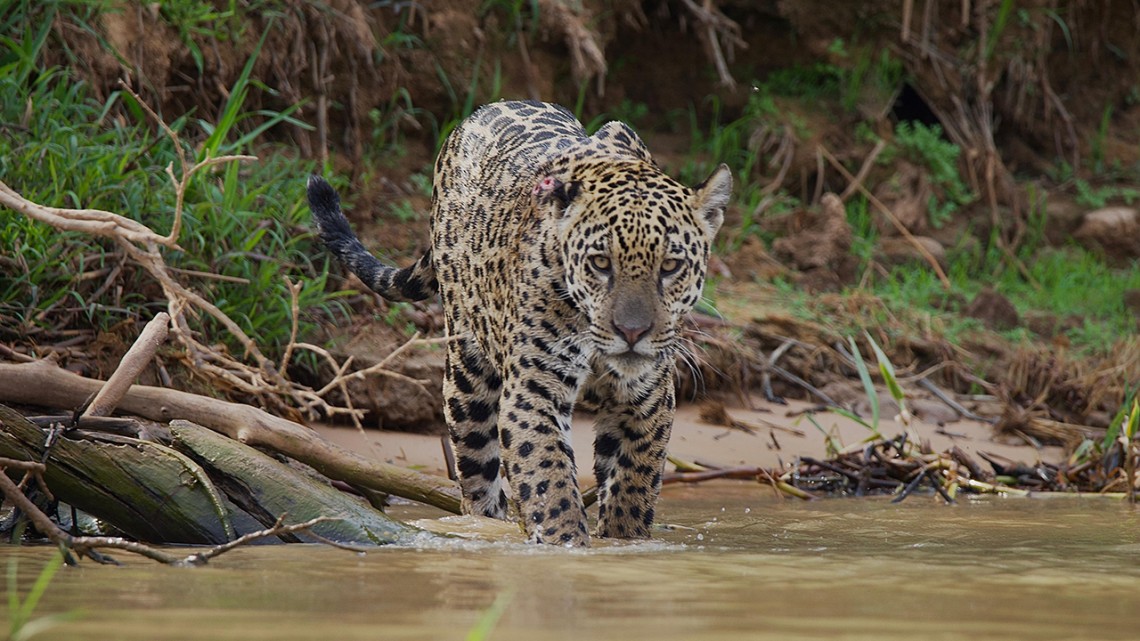
A $1.8 million grant from the Bezos Earth Fund will help the Cornell Lab of Ornithology develop acoustic sensors and artificial intelligence analytics to identify real-time threats to forests from illegal activities and provide insights into ecosystem health.
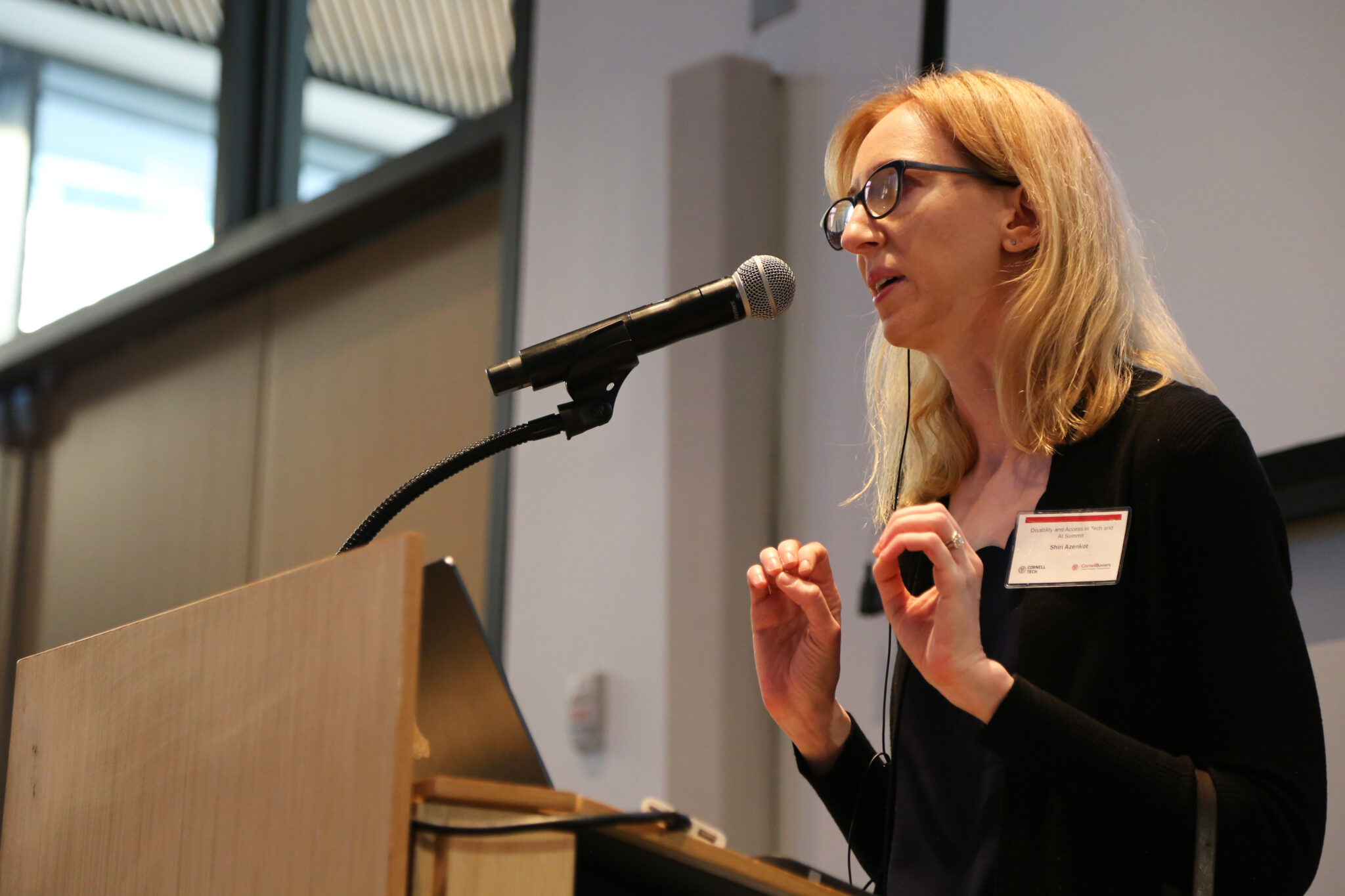
Cornell Tech hosted the inaugural Disability and Access in Tech and AI Summit on Oct. 9-10 on its Roosevelt Island campus, bringing together researchers, technologists, and community advocates to explore how disability and accessibility intersect with innovation. The summit welcomed speakers, students, faculty, alumni, and community members from Cornell’s Ithaca campus, New York City, and around the United States.
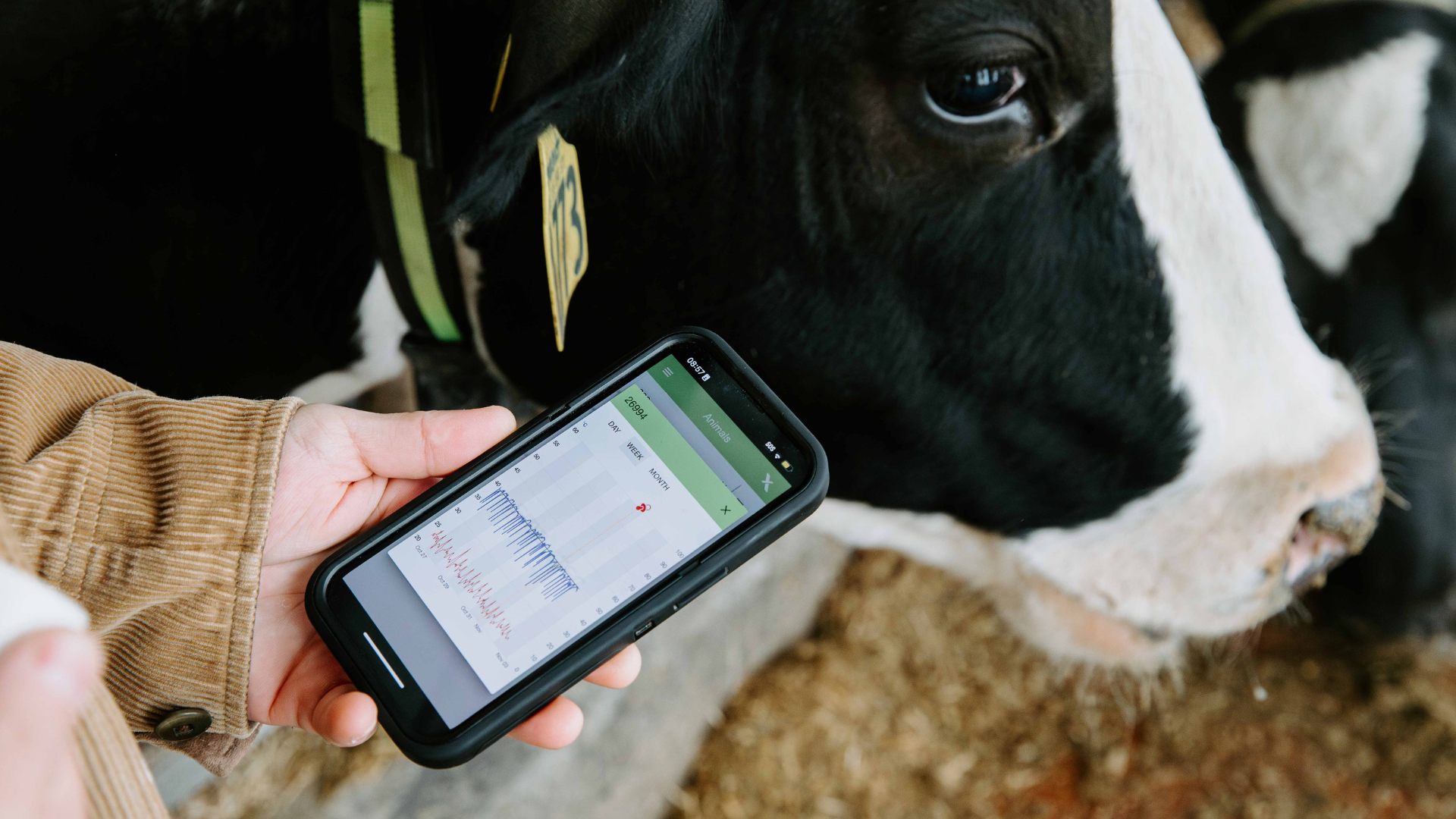
Cornell University has been awarded a portion of a $2 million planning initiative from the U.S. National Science Foundation to establish AI4Ag, a national testbed for artificial intelligence in agriculture.

Empire AI is now soliciting proposals from Cornell faculty and researchers to use the extended “Alpha” machine with 144 H100 GPUs, as well as the new “Beta” machine that is expected to come online in December.
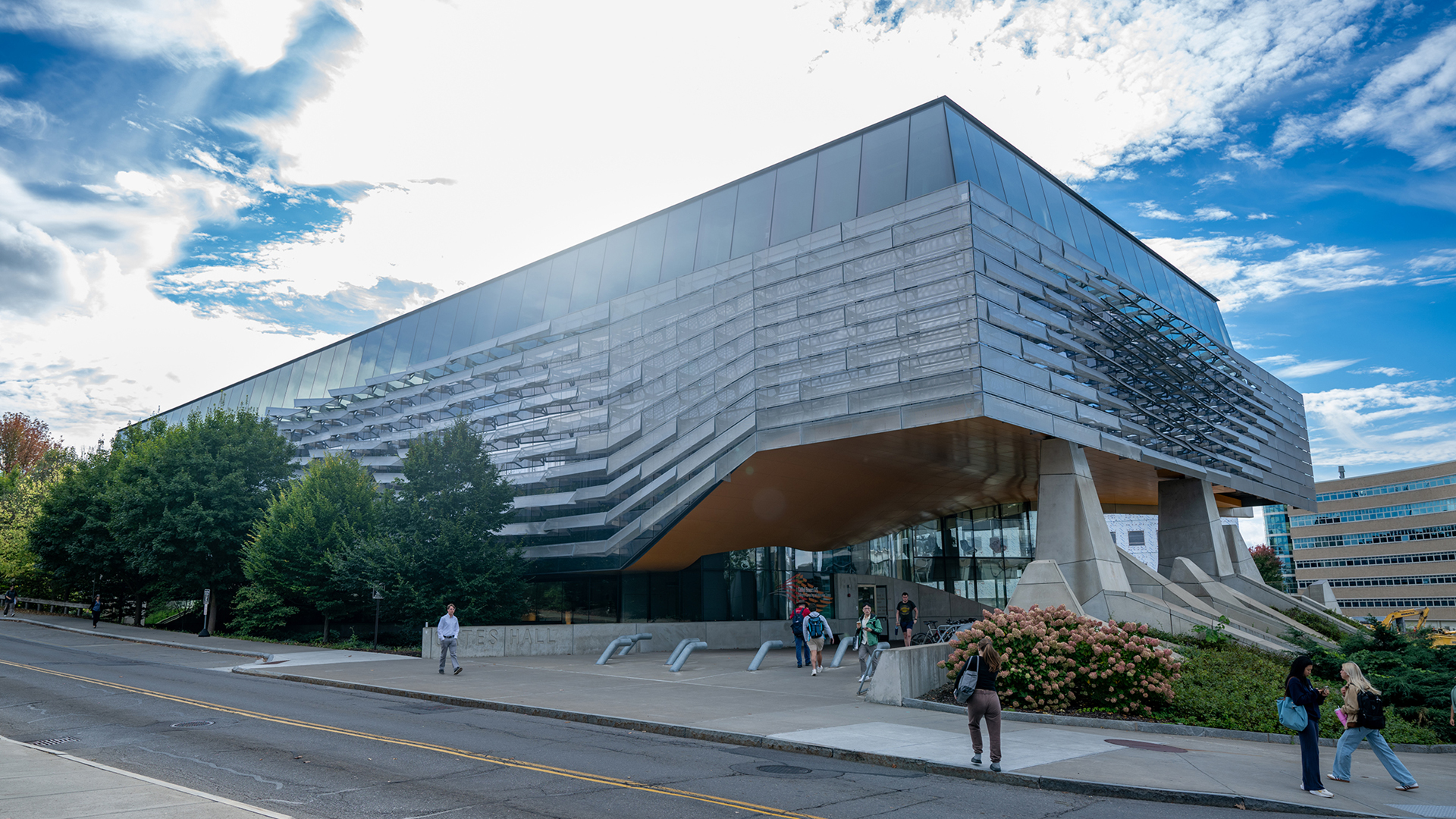
The US has led AI innovation; however, global competition, is rising. In response to a call from the White House regarding the future of Artificial Intelligence, faculty from the Cornell Ann S. Bowers College of Computing and Information Science and Cornell Tech...
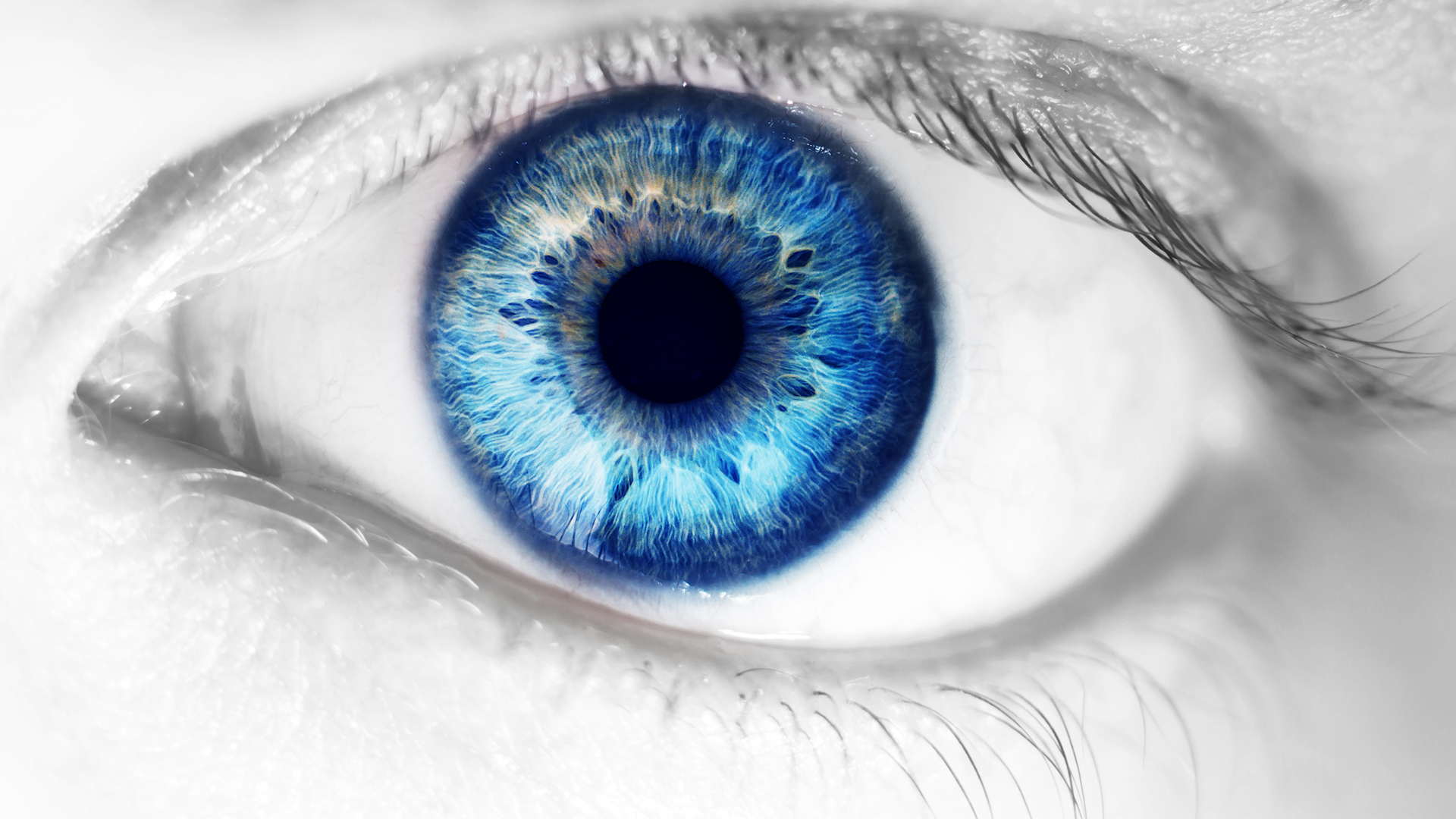
By studying mice equipped with brain electrodes and tiny eye-tracking cameras, Cornell researchers determined that new memories are being replayed and consolidated when the pupil is contracted during a substage of non-REM sleep.