
The skies may soon be congested with drone traffic. A multidisciplinary team received a grant from NASA to develop new models to coordinate these drones, which may someday deliver packages – or even people.
News Category
Autonomous Systems
The skies may soon be congested with drone traffic. A multidisciplinary team received a grant from NASA to develop new models to coordinate these drones, which may someday deliver packages – or even people.
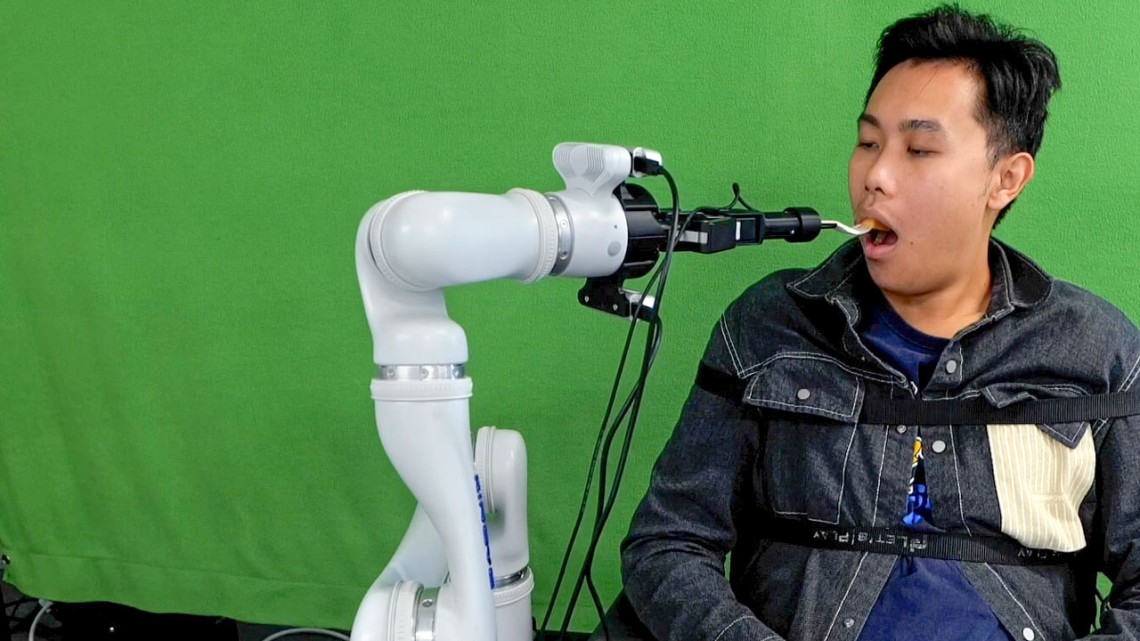
Cornell researchers have developed a robotic feeding system that uses computer vision, machine learning and multimodal sensing to safely feed people with severe mobility limitations, including those with spinal cord injuries, cerebral palsy and multiple sclerosis.

Researchers from Cornell Tech, Cornell and Stanford University found that, despite their ability to display empathy, conversational agents such as Siri do poorly compared to humans when interpreting and exploring a user’s experience.
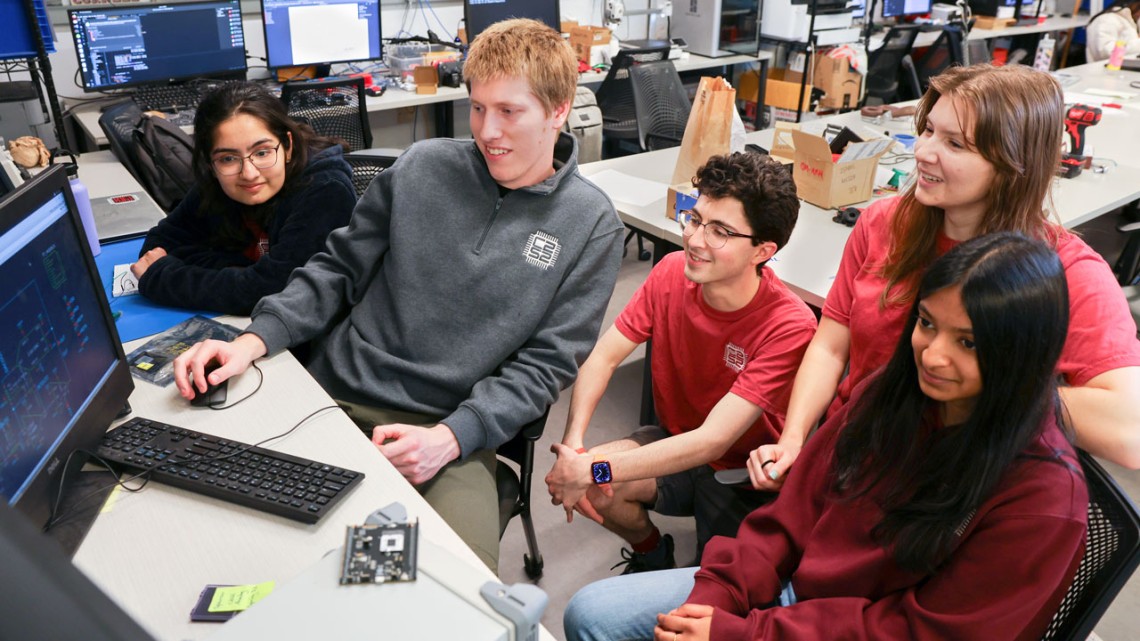
A unique project team enables Cornell undergraduates to use emerging open-source hardware to design, test and fabricate their own microchips – a complex, expensive process that is rarely available to students.

Sanjiban Choudhury, assistant professor of computer science in the Cornell Ann S. Bowers College of Computing and Information Science, will receive a $150,000 grant from OpenAI, a leading artificial intelligence (AI) company that has developed ChatGPT and other generative AI models, for work that may one day help ensure that superhuman AI systems stay under human control.
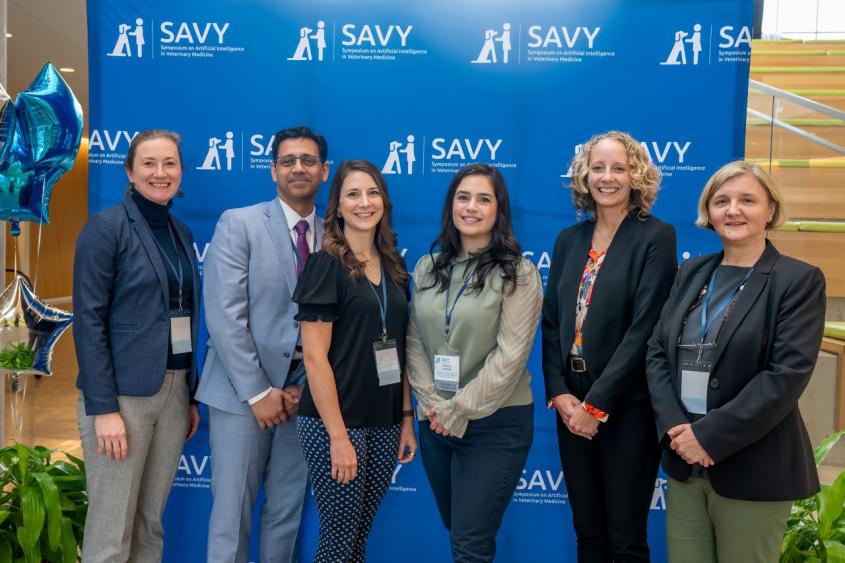
For the first time ever, experts in veterinary medicine, AI researchers, industry pioneers, and thought leaders from around the world gathered at to the College of Veterinary Medicine (CVM) for the Symposium on Artificial Intelligence in Veterinary Medicine.
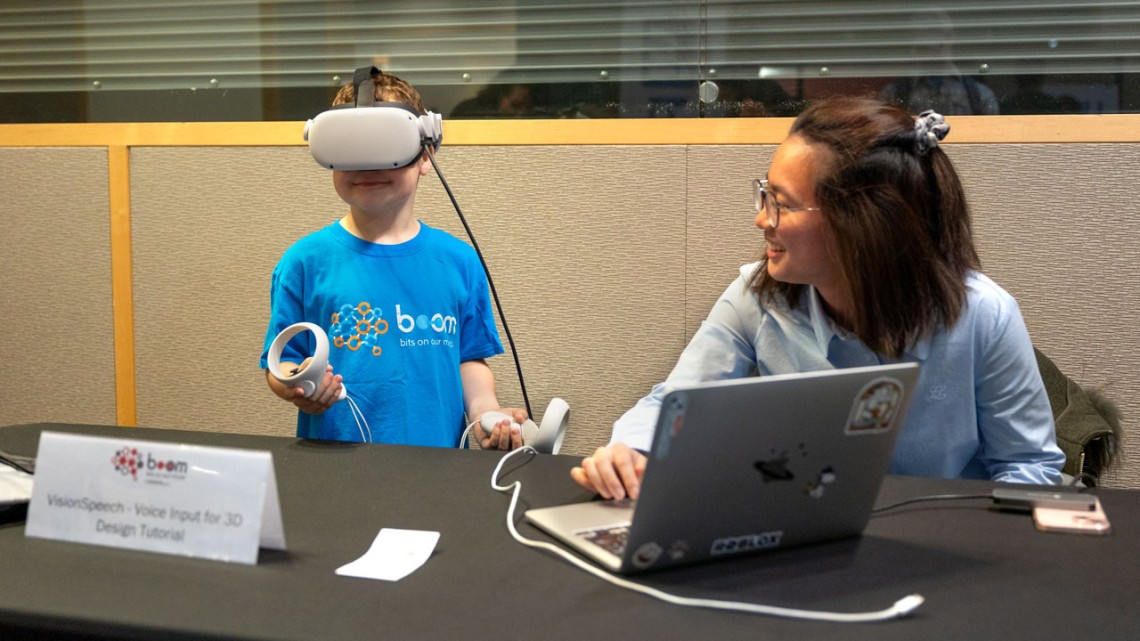
Apps that use artificial intelligence to help with tutoring, labeling medical images and perfecting your form while exercising, websites that address social issues with technology, and a robot that may one day colonize Mars all won awards at the annual Bits On Our Minds student technology showcase.
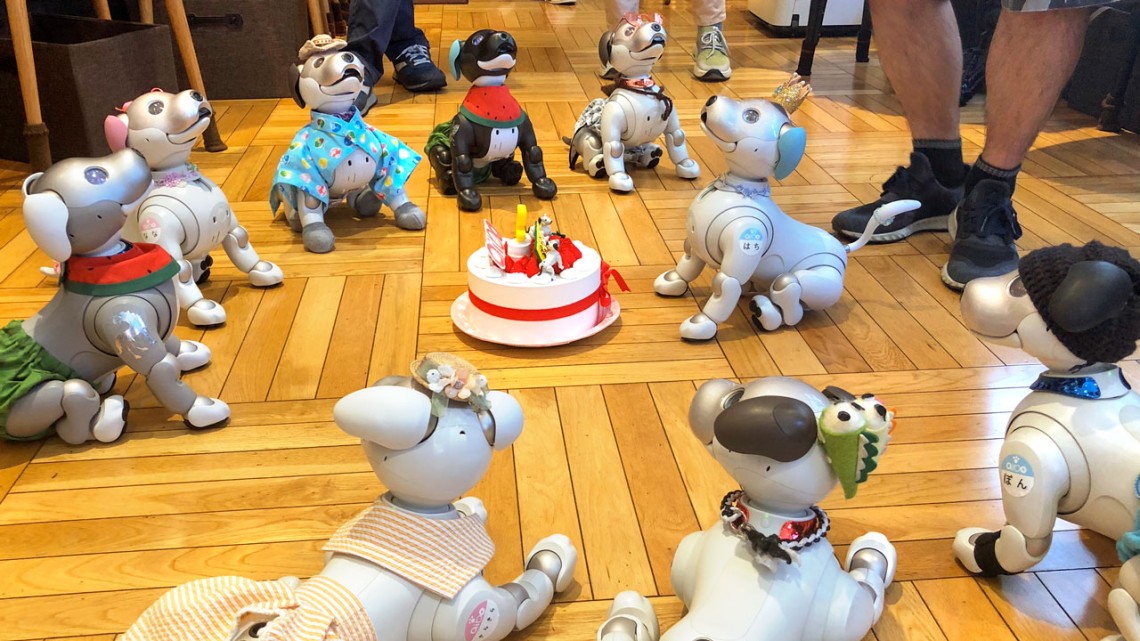
Researchers who develop social robots – ones that people interact with – focus too much on design features and not enough on sociological factors, like human-to-human interactions, the contexts where they happen and cultural norms involving robots.