
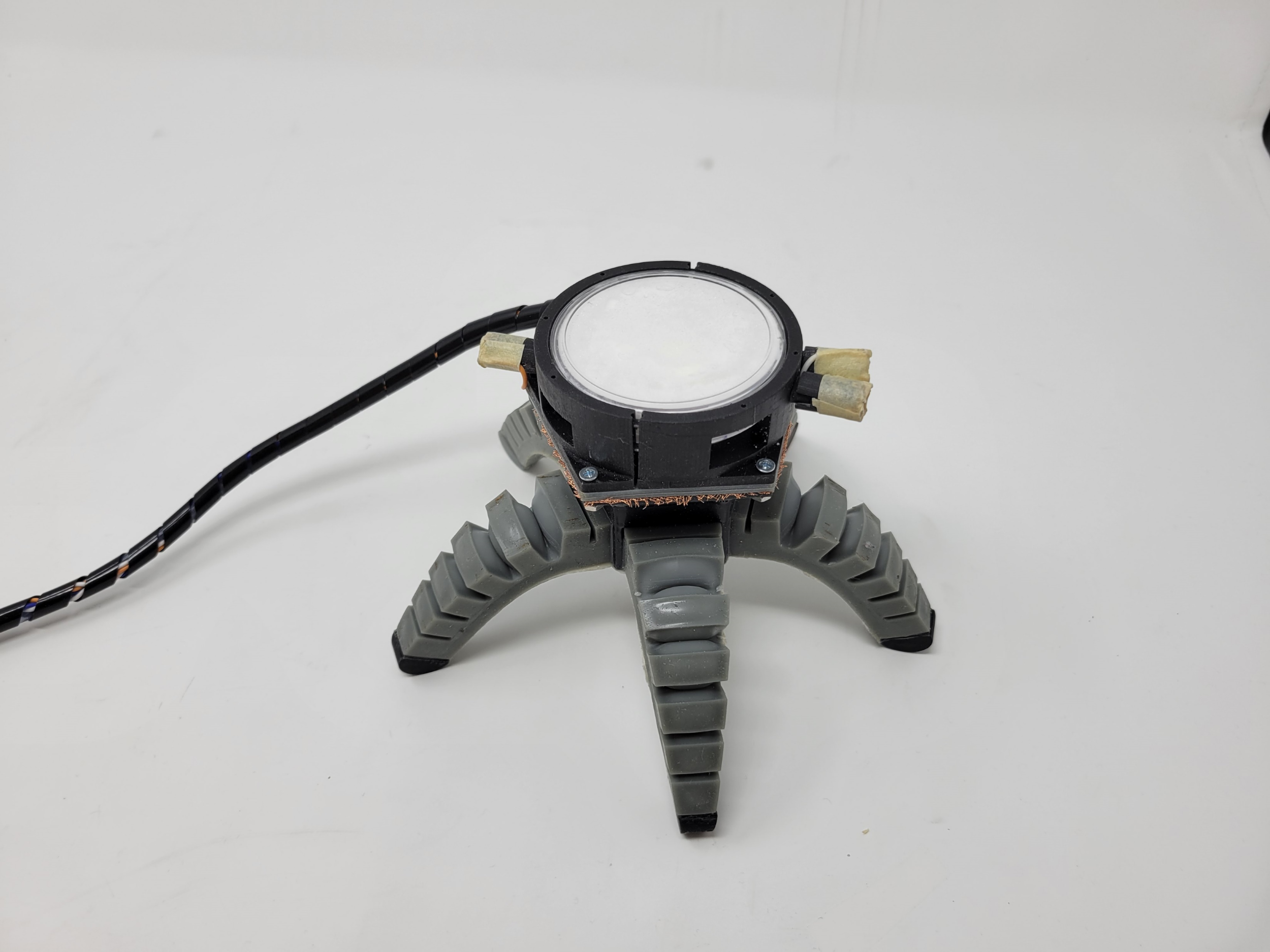
Cornell researchers discovered a new way of controlling biohybrid robots that can react to their environment better than their purely synthetic counterparts: harnessing fungal mycelia’s innate electrical signals.
News Category
Autonomous Systems
Cornell researchers discovered a new way of controlling biohybrid robots that can react to their environment better than their purely synthetic counterparts: harnessing fungal mycelia’s innate electrical signals.
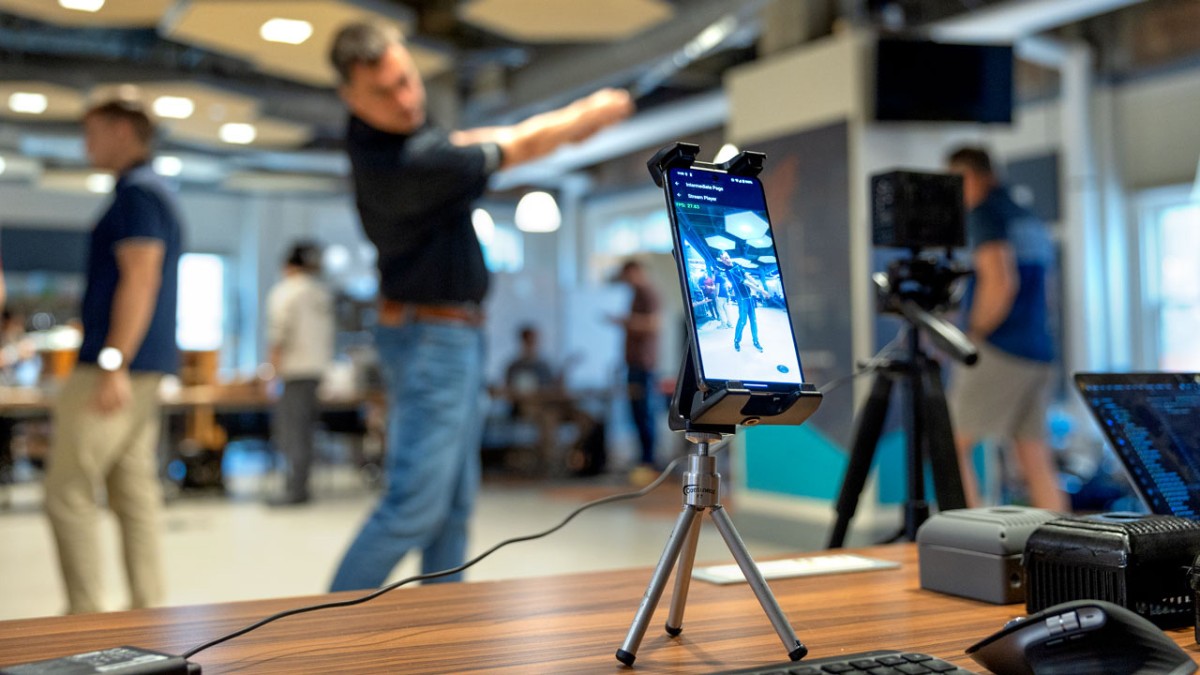
Over 10 weeks this summer, Rev’s Prototyping Hardware Accelerator guided product teams from back-of-the-napkin ideas to fully-fledged startups. In categories from climate technology to agricultural innovations, and with projects that range from canoe racing tools to improved tea dispensers, teams gained access to experts in their industry’s field, working together to figure out if their concept might be commercially desirable, technologically feasible and economically viable.

Outspent by Big Tech, some academics are focusing on research that requires less computing power, even as they try to build more of it.

New research and an app aim to make Zoom and other video conferencing platforms less stressful for people with speech diversities, while improving the experience for everyone.
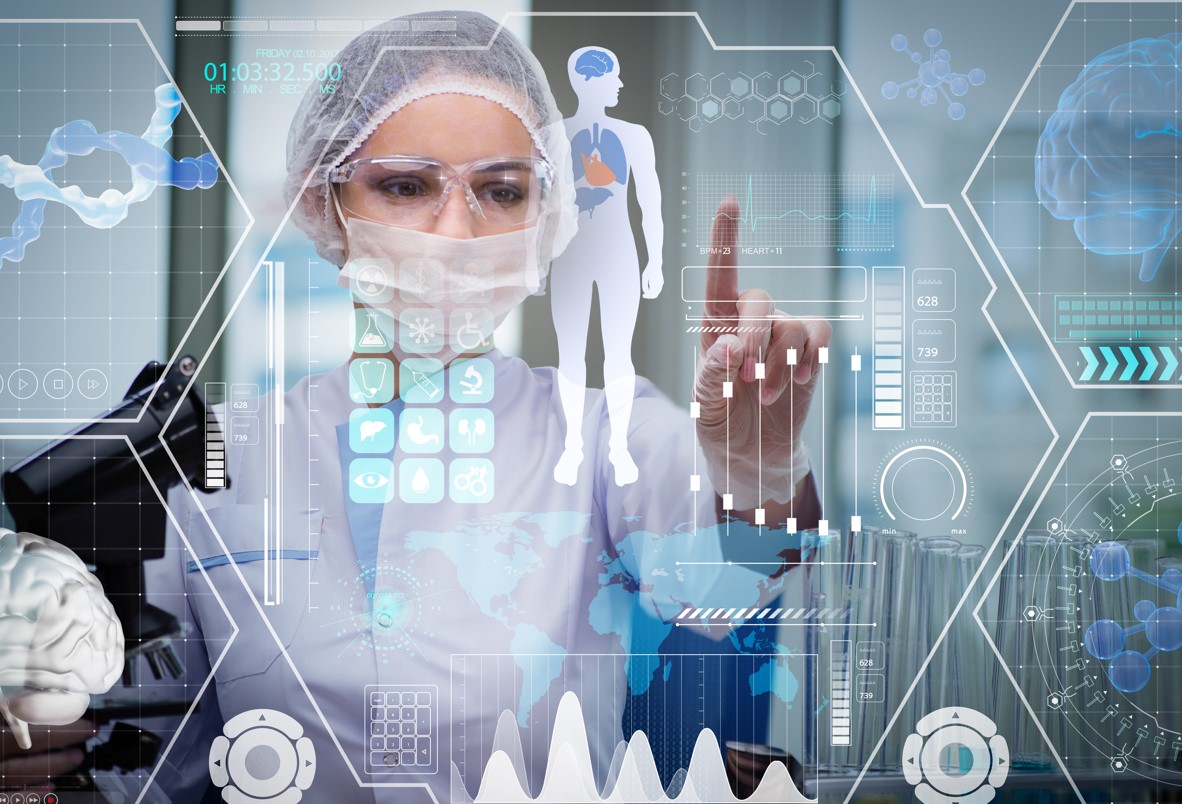
Amid the unpredictability and occasional chaos of emergency rooms, a robot has the potential to assist health care workers and support clinical teamwork, Cornell and Michigan State University researchers found. The research team’s robotic crash cart prototype highlights the potential for robots to assist health care workers in bedside patient care and offers designers a framework to develop and test robots in other unconventional areas.

Portobello, a new driving simulator developed by researchers at Cornell Tech, blends virtual and mixed realities, enabling both drivers and passengers to see virtual objects overlaid in the real world.
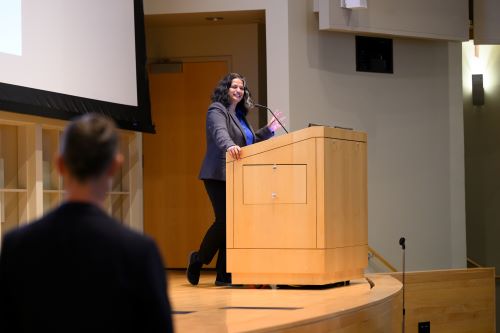
The Emerging Tech Dialogues event on May 29, 2024 — the first in a new series — drew more than 750 registrations from Cornell, Weill Cornell Medicine, and Cornell Tech faculty, staff, students, and researchers — all interested in exploring Artificial Intelligence in Higher Education, the symposium’s theme.

In its world-class research and teaching, Cornell Bowers CIS is uniquely positioned to guide tomorrow’s innovators as they dive into issues of ethics, fairness and privacy, while weighing the policy implications of technological advances.