
Cornell is spearheading the development and refinement of AI through extensive interdisciplinary collaborations.
Want your news listed here? Email us.
2026 LinkedIn grant recipients to drive innovation in GenAI, LLMs
LinkedIn and the Cornell Ann S. Bowers College of Computing and Information Science announce the fifth and final group of researchers to receive grants from their strategic partnership.

DOE Genesis Mission awards will advance AI-driven science
Two Cornell-led research teams have been selected to receive nearly $1.2 million through Phase I of the U.S. Department of Energy’s Genesis Mission.
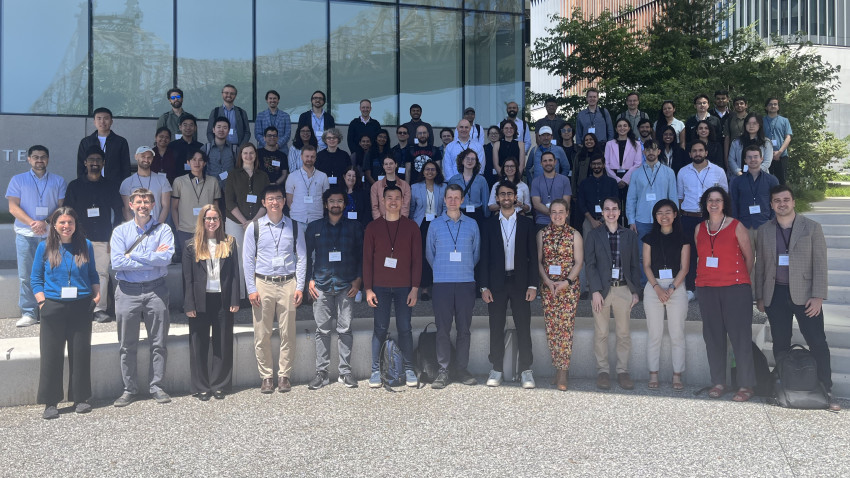
Researchers gather at Cornell Tech to explore AI for molecular science
Researchers from around the world gathered at Cornell Tech for a workshop exploring how physics-aware artificial intelligence can accelerate the discovery of molecules and materials while improving the reliability of machine learning models.
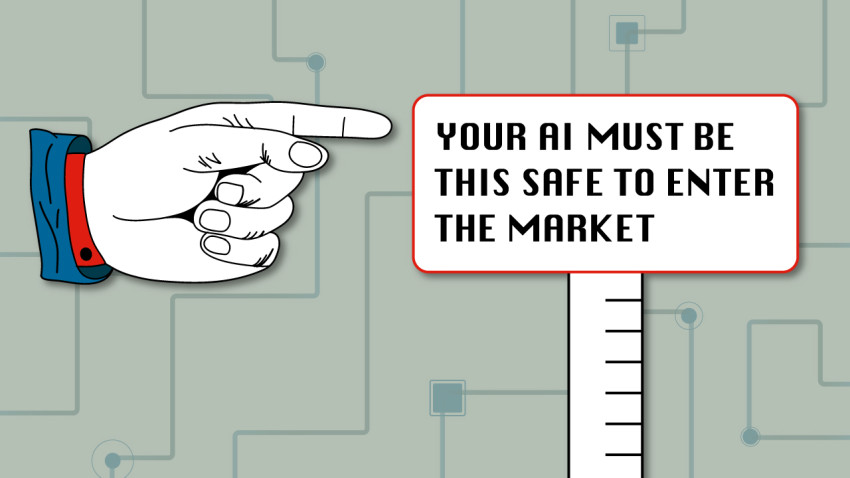
Weak AI regulation may backfire, making products less safe
A new modeling study finds no regulation of AI products and services may be safer than weak regulation.
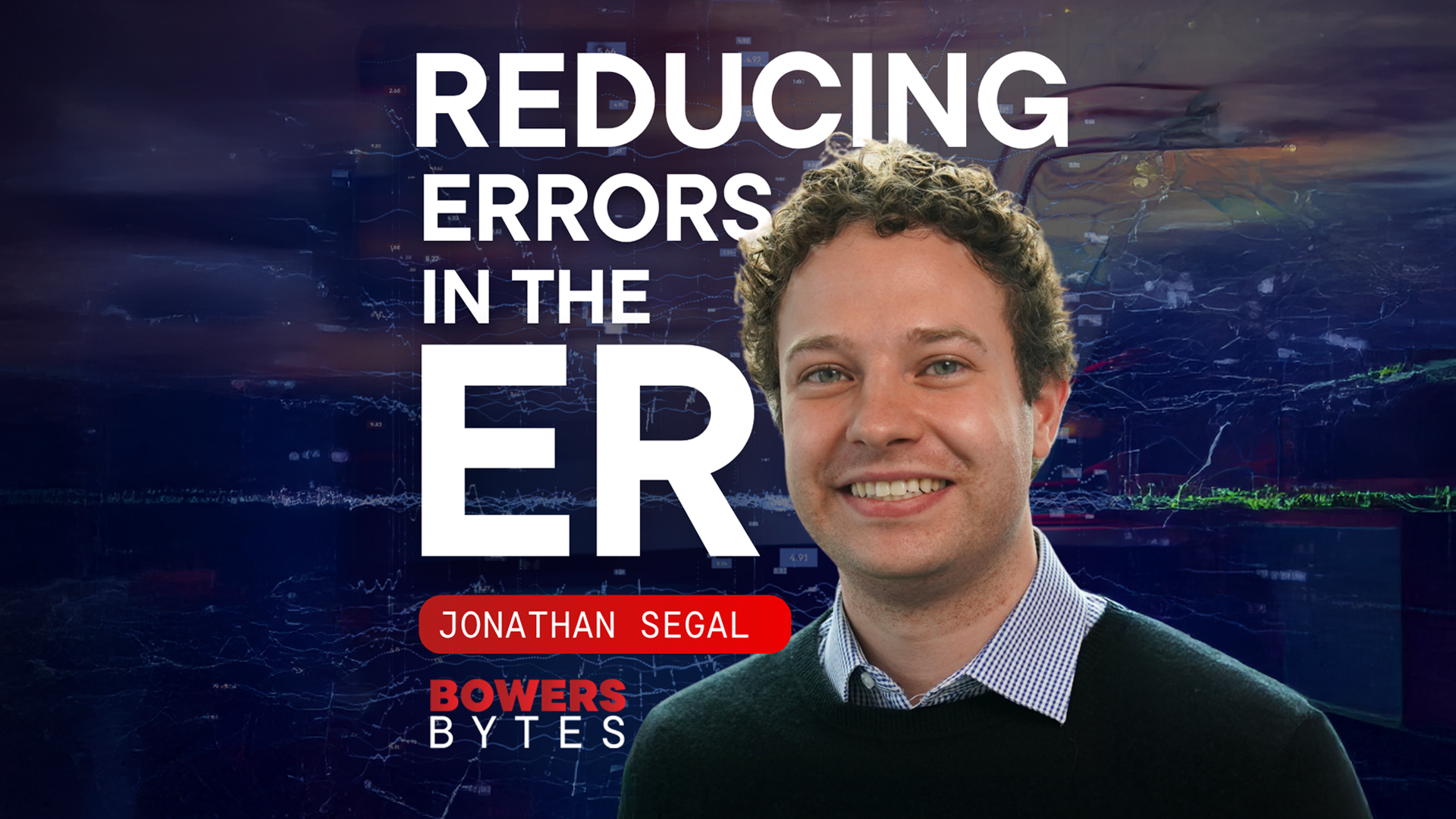
Bowers Bytes: Reducing Errors in the ER
When patients arrive at the ER, a shocking number have errors or misinformation in their medical documents. Jonathan Segal, a Cornell Bowers Ph.D. student in information science based at Cornell Tech, is using AI and augmented reality to provide guidance to clinicians and automatically generate documentation for patient handoffs.
He aims to improve teamwork at hospitals and save lives with more accurate information transfer for patients.

The Atlantic: Nobody Is Getting the Data-Center Water Question Right
Fengqi You, a Cornell energy-systems expert, provides analysis on the regional impact of data center water consumption.
Collins: What Generative AI can and cannot do for HR
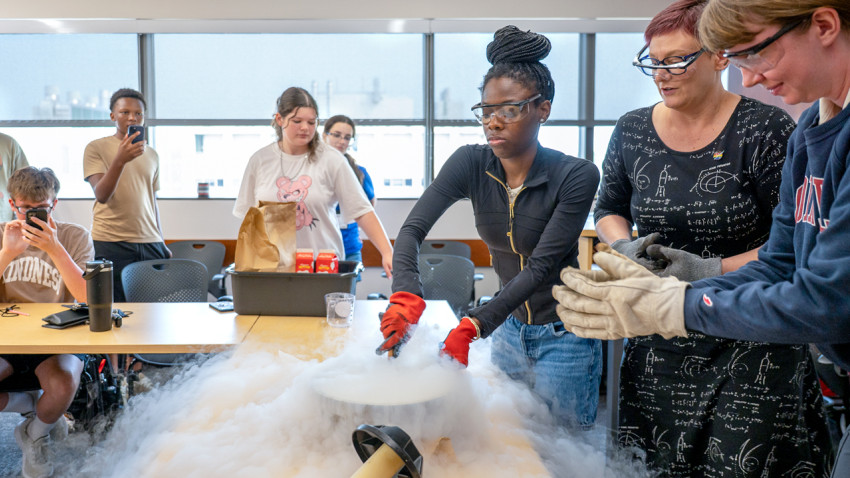
At Cornell, 4-H’ers plant seeds for future careers
Middle and high school students from across New York state spent three days discovering potential career paths during the annual 4-H Career Explorations Conference, held June 30 to July 2 at Cornell.

A New Research Focus at Global Labor Institute
Most conversations about AI and labor concentrate on displacement: will AI take your job, and which sectors are most exposed? These are important questions. But instead of focusing only on whether AI is taking your job, we feel it’s important to also ask: what happens to your job if it doesn’t?