
Cornell is spearheading the development and refinement of AI through extensive interdisciplinary collaborations.
Want your news listed here? Email us.

Campaign closes with record support for students and research
Cornell’s To Do the Greatest Good campaign surpassed its goal of raising more than $5 billion and engaging more than 200,000 alumni – achievements that will enhance opportunities for students and accelerate critical faculty research.
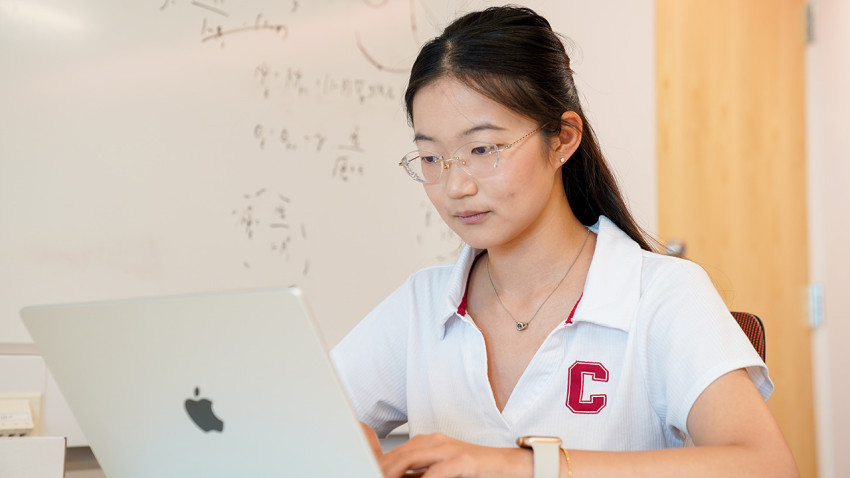
‘Hitting dead ends and rethinking everything’ – BURE summer scholars explore research life
This summer, 60 undergraduates participated in the Bowers Undergraduate Research Experience, a 10-week, paid program where undergraduate students do real-world research alongside Bowers faculty.
Cornell CAT awards support seven new biotechnology partnerships
Seven Cornell research teams have received Center for Advanced Technology grants to advance early-stage life science technologies through collaborations with biotechnology companies across New York state.
Is there an AI bubble? No, but some tech companies show signs
The AI sector is not in a bubble market, but the prices of some individual AI companies behave with the price variability and exuberance characteristic of a bubble, according to new Cornell research.
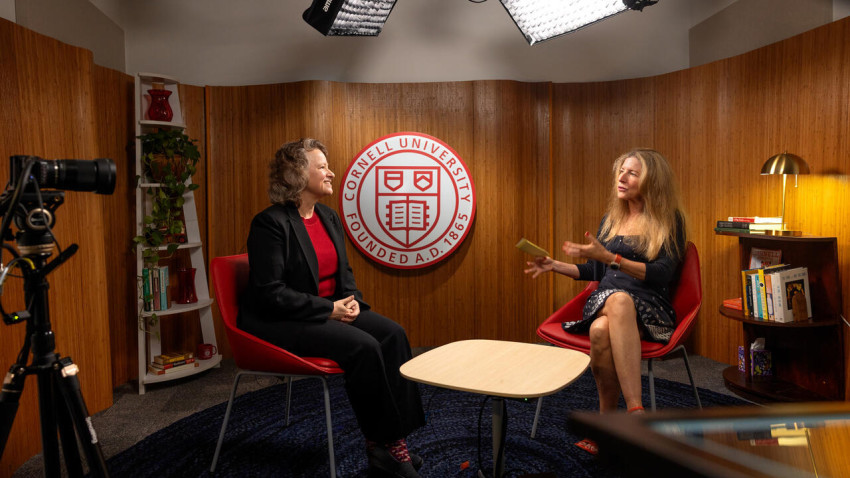
Research Matters returns, following ideas from the lab to real life
The second season of Research Matters, a Cornell video podcast, drops today, with a way-too-relevant episode on why we don’t always do the things we know we should.
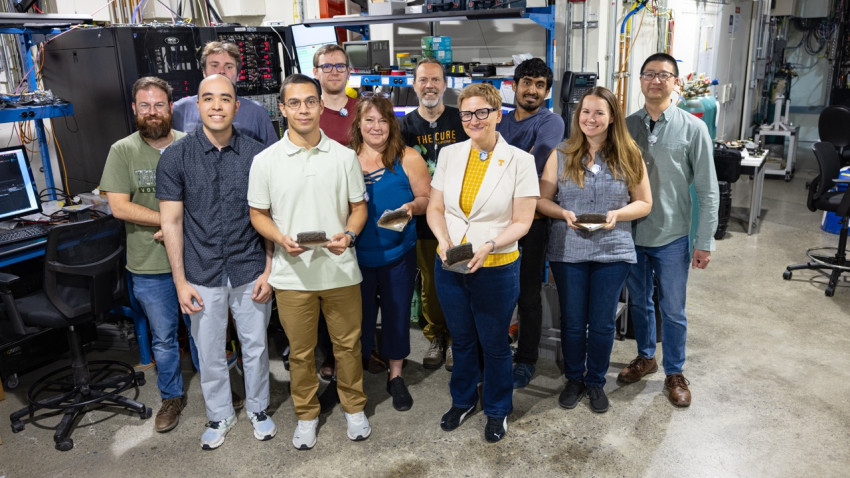
Where the Beam Points Next: Autonomous Experiments Take Shape at CHESS
An X-ray experiment at Cornell recently did something unusual: It decided for itself where to take its next measurement.
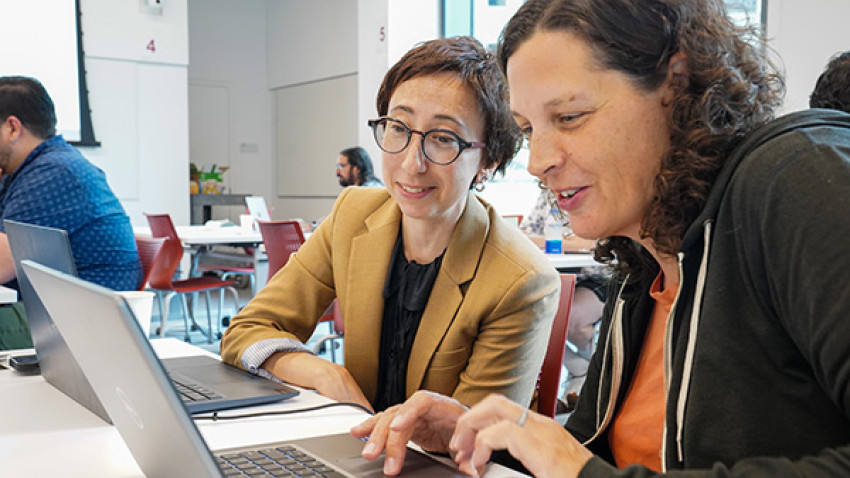
At Cornell Bowers, faculty do AI and now staff do too
“We Do AI” was the first educational series at Cornell to provide staff across an entire college with advanced training in how to use AI effectively in their daily workflows.
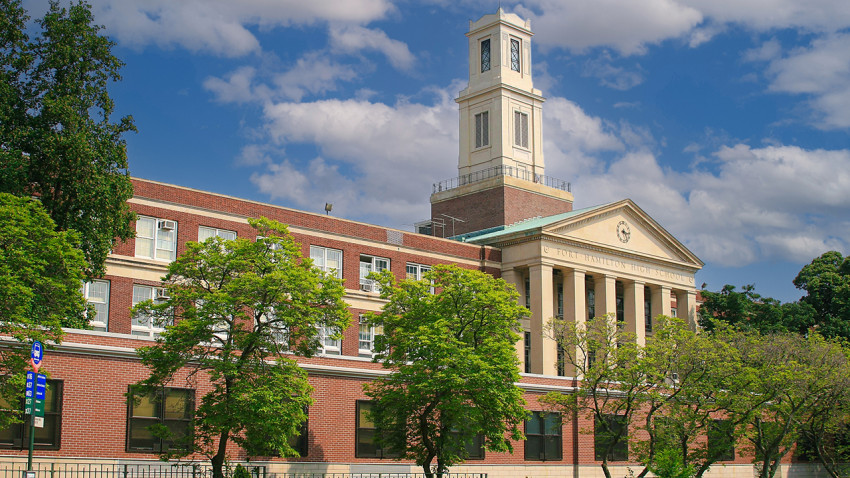
Research helps NYC students aim higher in public high school applications
Many New York City eighth-graders – particularly those from underserved communities – aren’t applying to academically competitive high schools where they could succeed, according to new Cornell research.
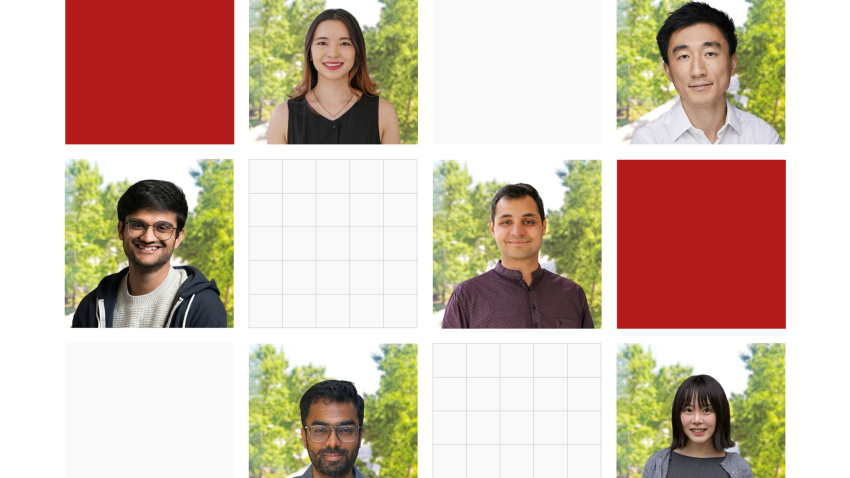
Cornell Tech’s new faculty are changing how AI learns, reasons, solves problems
Six new faculty members will join Cornell Tech during the coming year, bringing expertise in AI, machine learning, programming languages, and operations research.