
Researchers used advanced data analytics to create a state-by-state look at that environmental impact of the AI boom and how to make the computing infrastructure that supports it more sustainable.

News Category
News
Researchers used advanced data analytics to create a state-by-state look at that environmental impact of the AI boom and how to make the computing infrastructure that supports it more sustainable.

An interdisciplinary project involving faculty, staff and graduate students is sparking collaborations among those interested in computational, digital and data-driven approaches to the study of history, languages and culture.

Cornell University has selected three new Thought Summits for 2026, advancing collaboration in artificial intelligence and data science across disciplines ranging from veterinary medicine and environmental justice to humanitarian response.
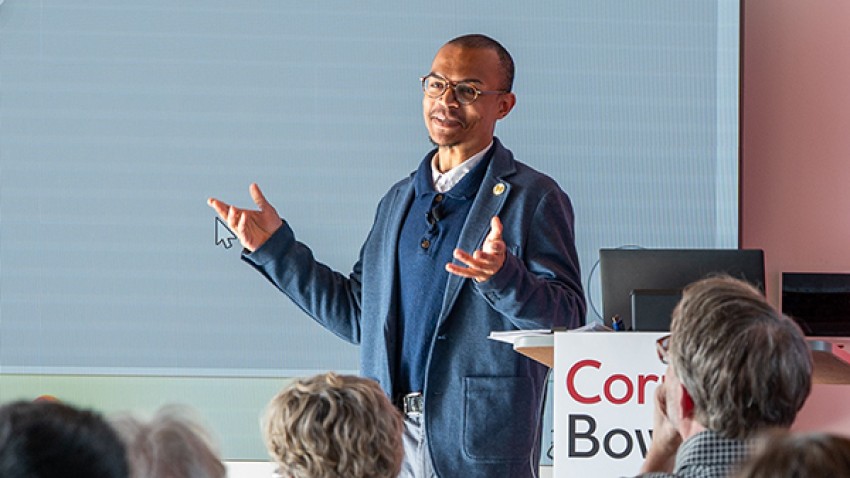
The panel, “AI + Education: Teaching and Learning in the Age of AI,” held during the 75th Trustee-Council Annual Meeting, painted a complete picture of the state of AI in education at Cornell.
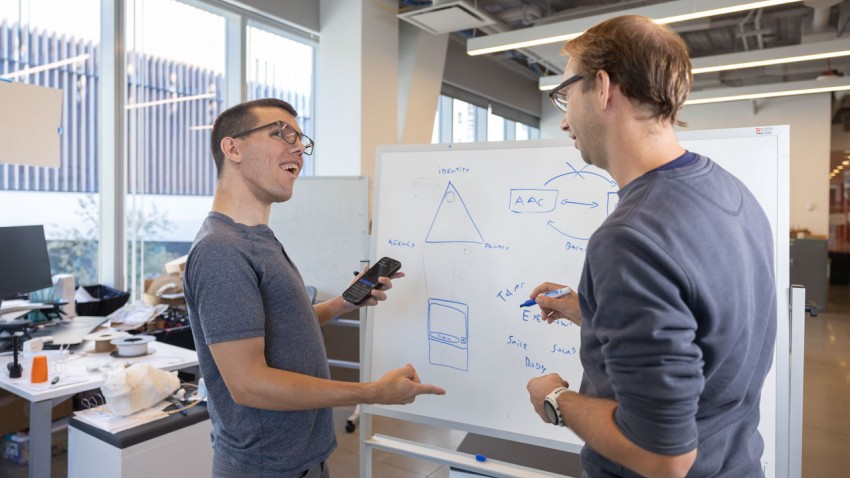
At 15, Tobias Weinberg lost the ability to speak – now as a Ph.D. student at Cornell Tech, he’s using AI to improve the technologies he and others with speech disabilities rely on to communicate.

A keynote and faculty panel on Nov. 12 will focus on how faculty can communicate their generative AI-related expectations to students, how students can take accountability for their work, and what this looks like in practice.
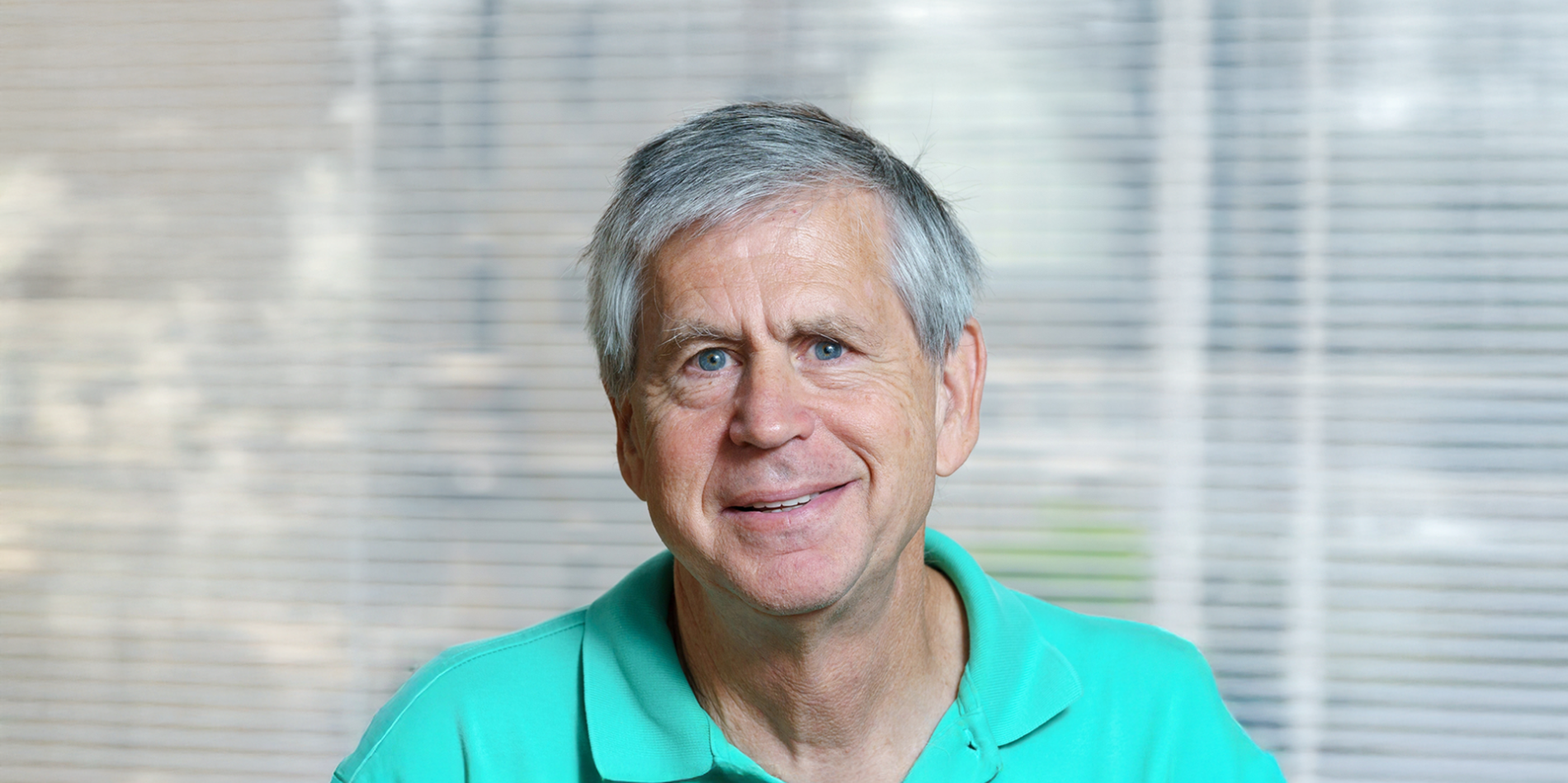
Michael Macy, Distinguished Professor of Arts and Sciences in Sociology in the College of Arts and Sciences, with a joint appointment in the Department of Information Science in the Cornell Ann S. Bowers College of Computing and Information Science, is a recent recipient of an AWS [Amazon Web Services] Agentic AI Amazon Research Award.

A keynote and faculty panel on Nov. 12 will focus on how faculty can communicate their generative AI-related expectations to students, how students can take accountability for their work, and what this looks like in practice.