
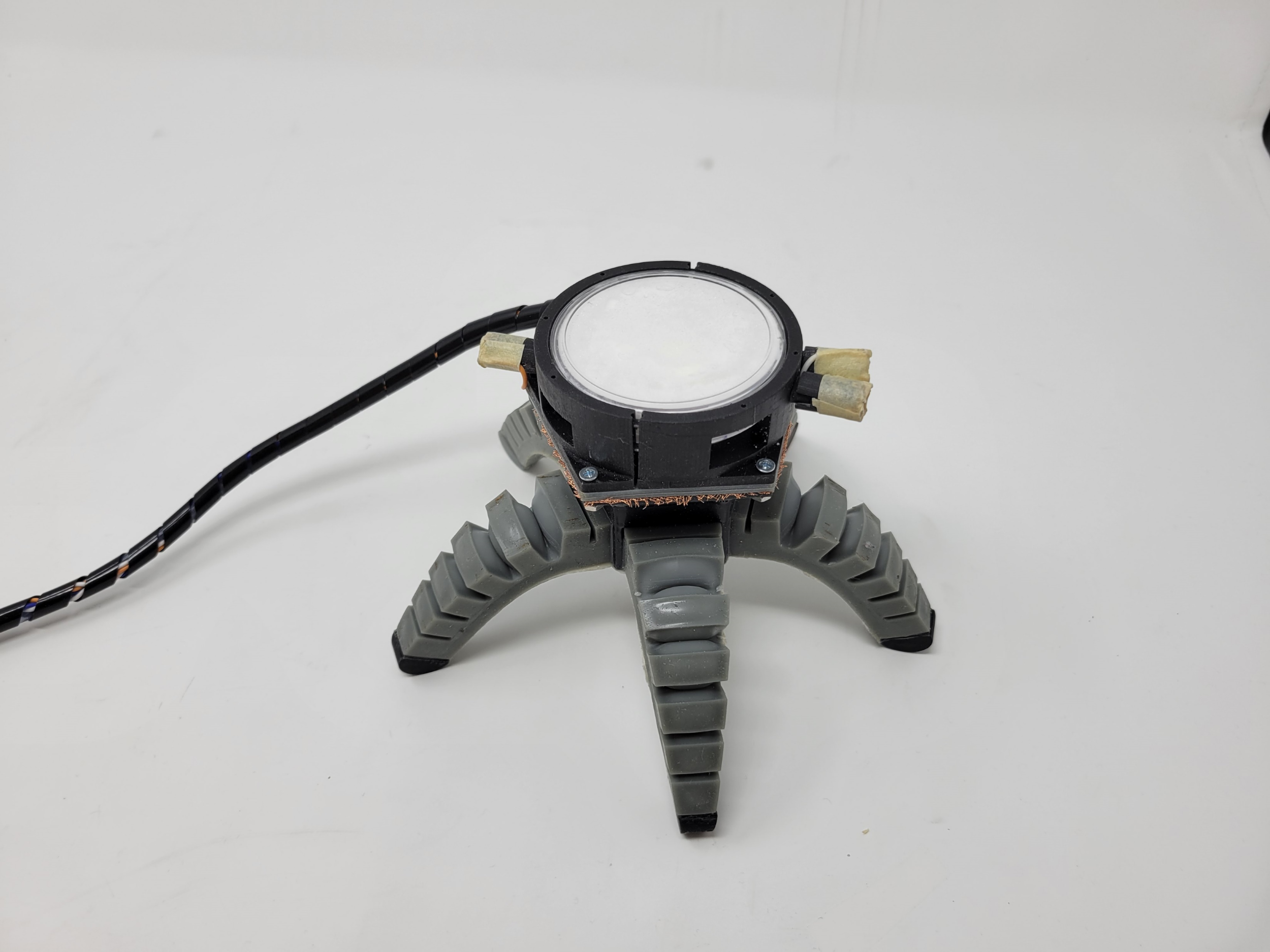
Cornell researchers discovered a new way of controlling biohybrid robots that can react to their environment better than their purely synthetic counterparts: harnessing fungal mycelia’s innate electrical signals.
News Category
News
Cornell researchers discovered a new way of controlling biohybrid robots that can react to their environment better than their purely synthetic counterparts: harnessing fungal mycelia’s innate electrical signals.

Researchers found that cooperative partnerships seeking to spread the cost burden of water infrastructure projects often end up forcing local partners to bear the brunt of supply and financial risks.
Using a combination of machine learning and powerful X-rays, Cornell researchers have solved a mystery behind the unusual behavior seen in a class of materials with potential for thermoelectric energy conversion and other applications.
Researchers have uncovered DNA markers associated with retroelements, remnants of ancient viral genetic material, in our genes that act as highly accurate epigenetic clocks predicting chronological age.

Researchers at Weill Cornell Medicine and NewYork-Presbyterian found that a self-guided cognitive behavioral therapy app significantly reduced anxiety in young adults struggling with mental health challenges.
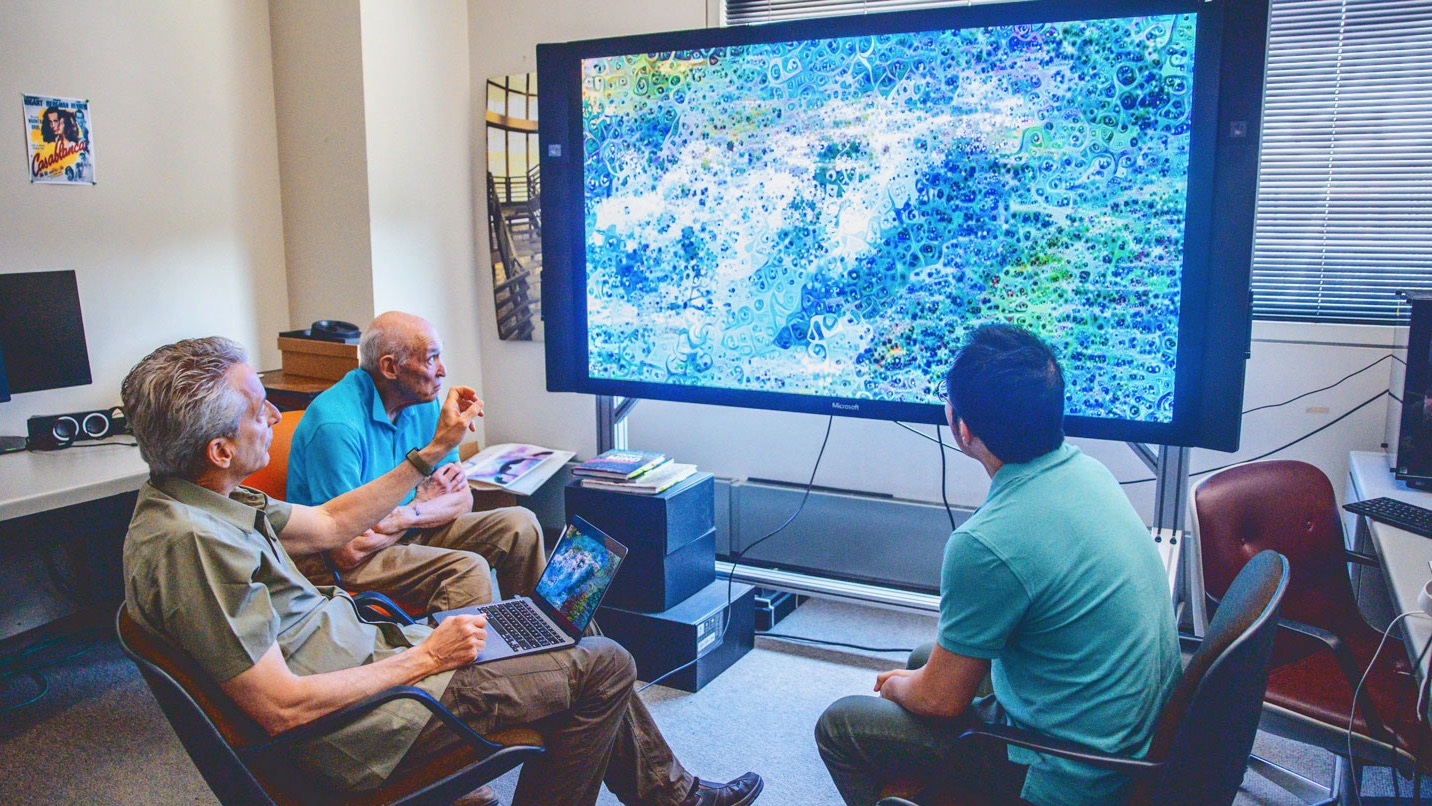
An architecture and computer graphics alum returned to the Hill this summer to draw images from landscapes—and memories

Cornell Engineering’s Scientific Artificial Intelligence Center has partnered with Pasteur Labs, an alumnus-founded startup, to establish new research projects in human-AI collaboration for scientific discovery and industrial applications.
Students in the SoNIC program developed new models to help people with impaired vision to identify objects around them and citizen scientists to recognize bird species.