
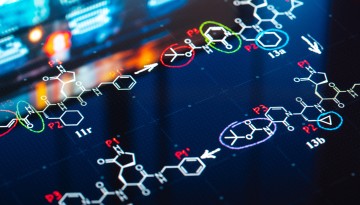
A research team led by Cornell has demonstrated how quantum computing and artificial intelligence can be used to design new peptides capable of capturing microplastics that pose serious risks to ecosystems and human health.
News Category
News
A research team led by Cornell has demonstrated how quantum computing and artificial intelligence can be used to design new peptides capable of capturing microplastics that pose serious risks to ecosystems and human health.
We are living in the most consequential decade in artificial intelligence’s history. We don’t know exactly what the future will look like, and we don’t know exactly what innovations it will bring, but we know one thing for certain: AI will be shaped by the people …
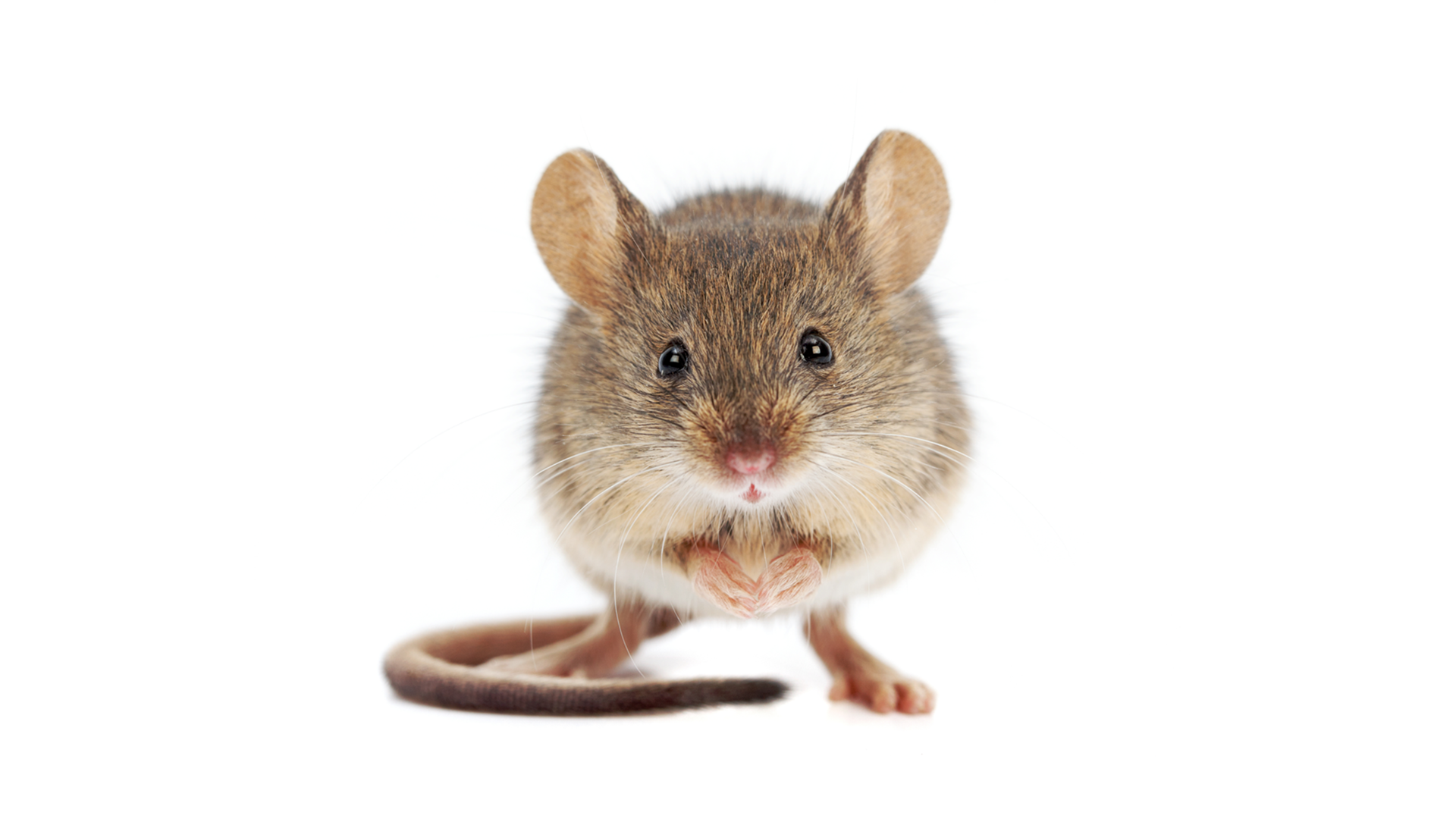
Cornell scientists have identified the neural pathway mice use to direct the tongue to tactile targets: the superior colliculus, the same brain region that primates – including humans – use to direct their gaze to visual targets. It’s likely that humans use the sa…
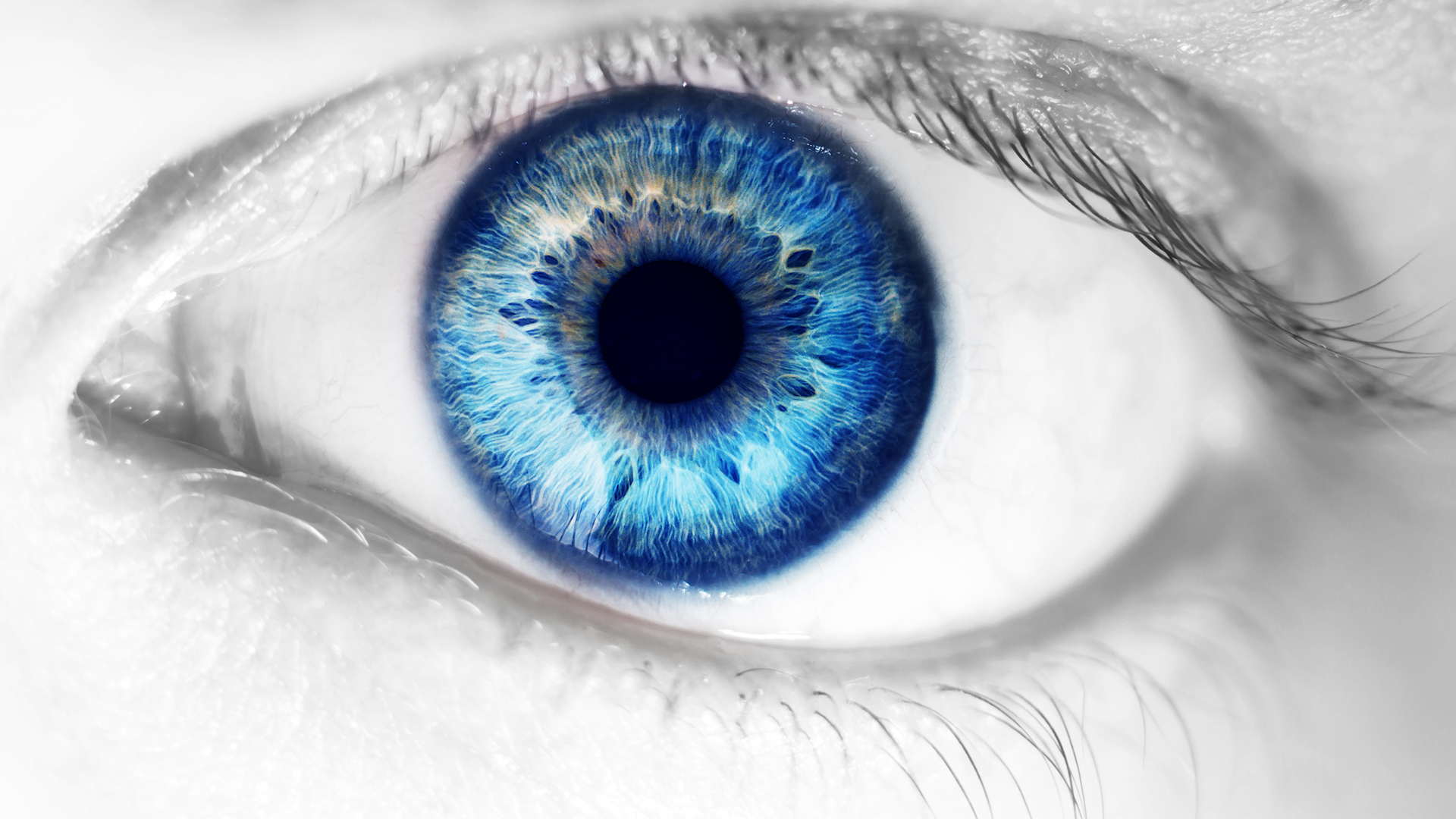
By studying mice equipped with brain electrodes and tiny eye-tracking cameras, Cornell researchers determined that new memories are being replayed and consolidated when the pupil is contracted during a substage of non-REM sleep.

A Cornell Tech-led research group is in the early stages of developing a portable, inexpensive device that uses radio frequency signals and machine learning for another important job: measuring lead contamination levels in soil.

Despite being unbound by space and time, fictional protagonists in American literature travel fewer miles than their nonfiction counterparts, according to a Cornell-led research team that used artificial intelligence to analyze nearly 13,500 books from the last 230 year…

Reinforcement Learning (RL), an artificial intelligence approach, has the potential to guide physicians in designing sequential treatment strategies for better patient outcomes but requires significant improvements before it can be applied in clinical settings, research…
Rachee Singh, assistant professor of computer science, and Emaad Manzoor, assistant professor of marketing, will design light-based, optical network fabrics that enable faster communication between GPUs and bypass bottlenecks caused by slower electrical connections.