
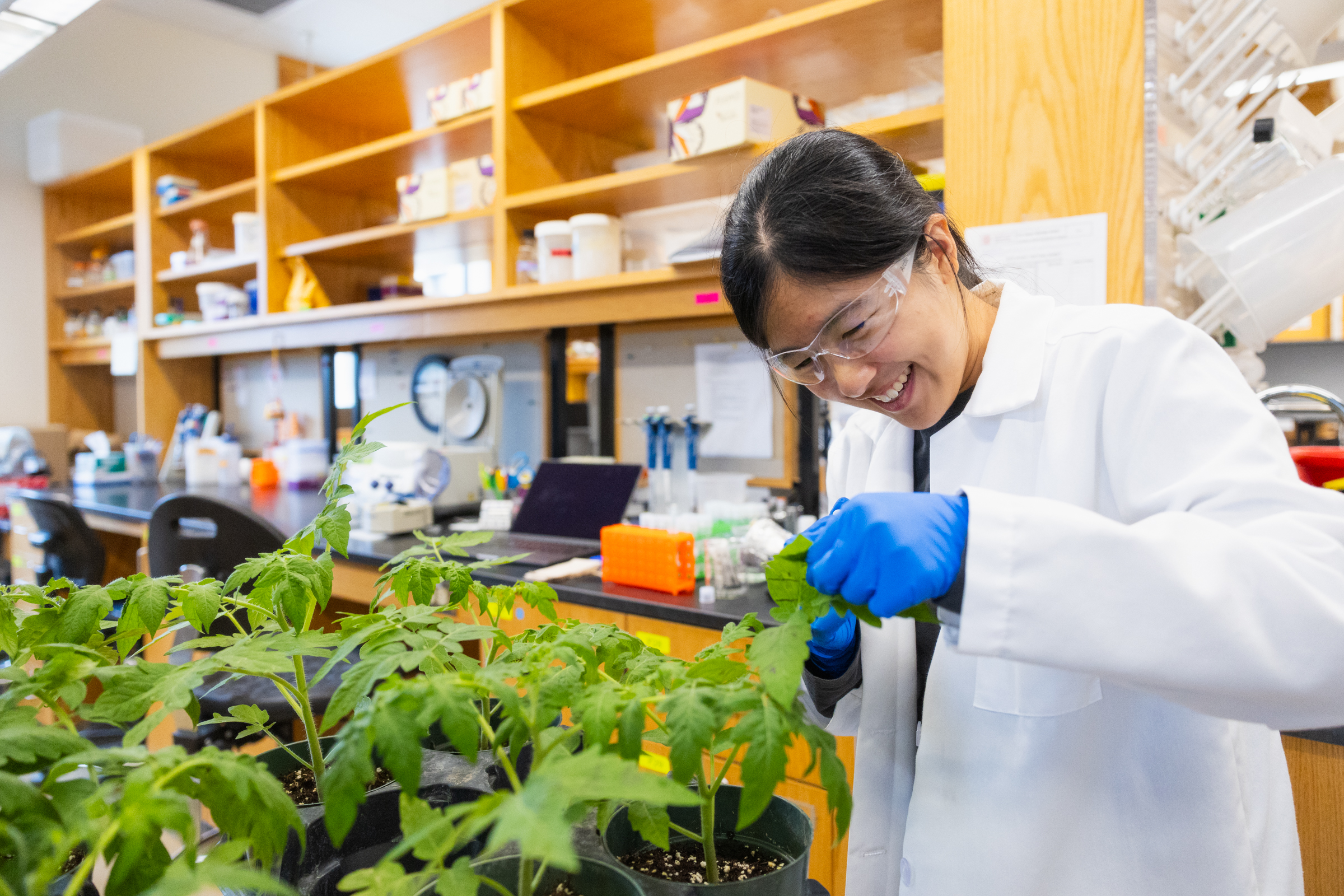
Xiaoying Gan ’25, a biometry and statistics and plant science double major, is using her Cornell Bowers education to improve agriculture and tackle food insecurity—advancing humanity and society through tech.
News Category
Featured
Xiaoying Gan ’25, a biometry and statistics and plant science double major, is using her Cornell Bowers education to improve agriculture and tackle food insecurity—advancing humanity and society through tech.
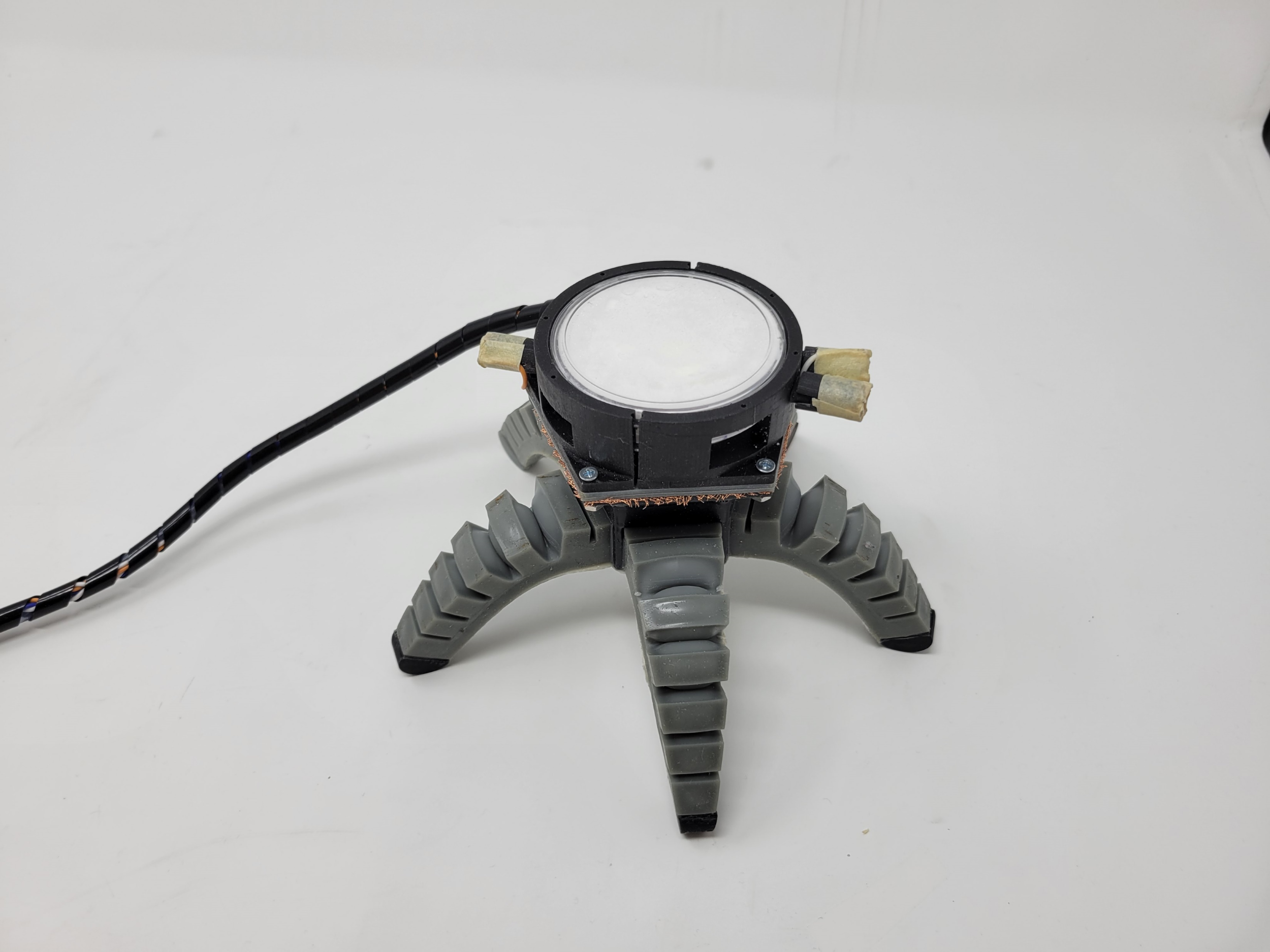
Cornell researchers discovered a new way of controlling biohybrid robots that can react to their environment better than their purely synthetic counterparts: harnessing fungal mycelia’s innate electrical signals.
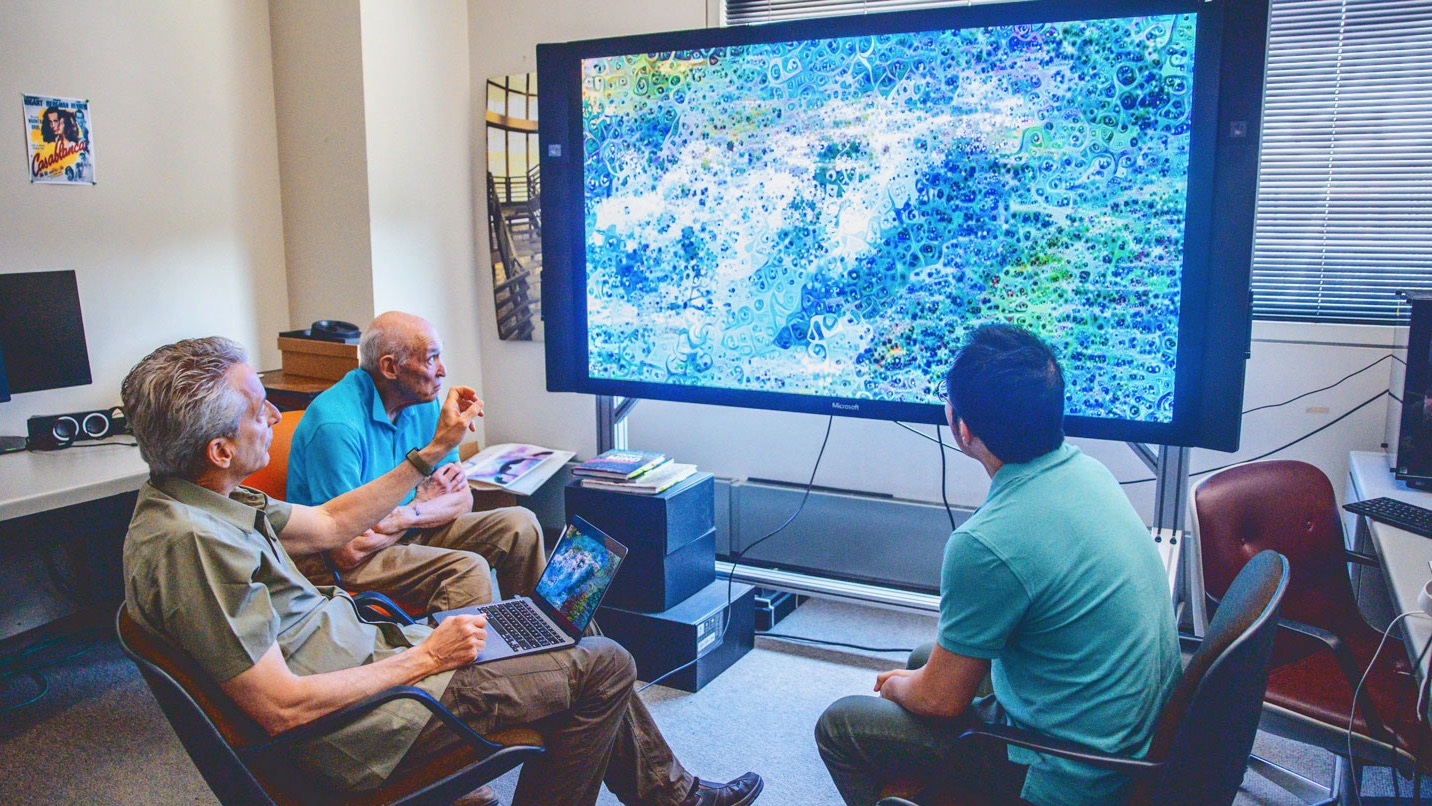
An architecture and computer graphics alum returned to the Hill this summer to draw images from landscapes—and memories
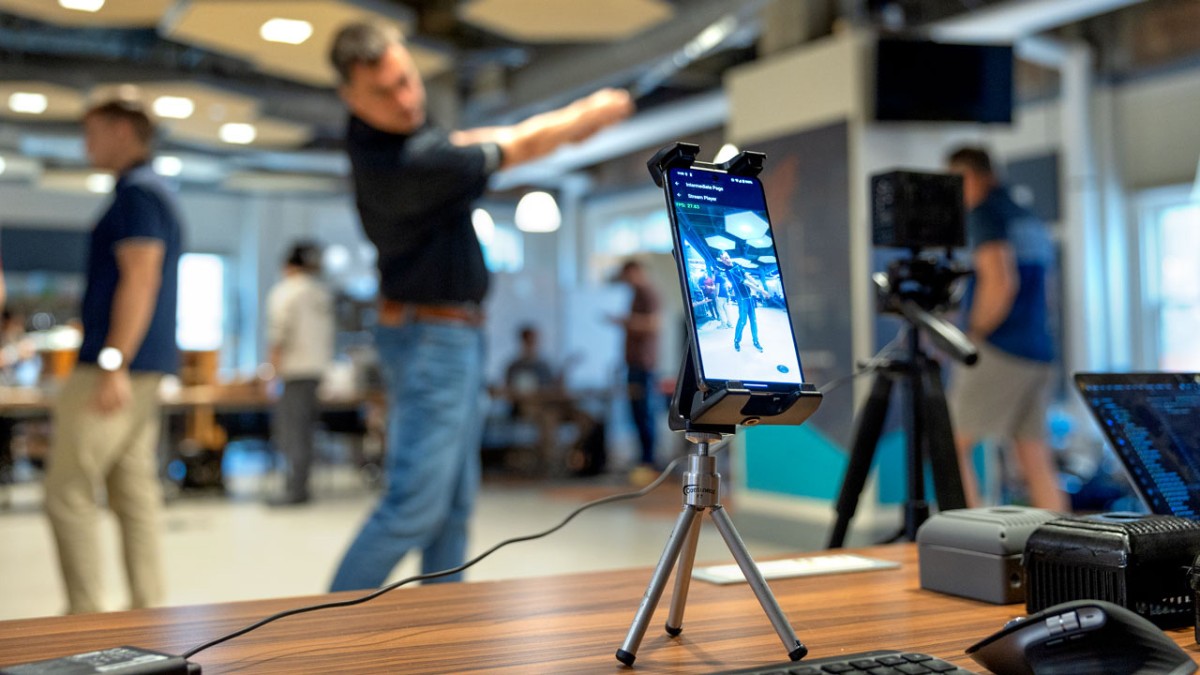
Over 10 weeks this summer, Rev’s Prototyping Hardware Accelerator guided product teams from back-of-the-napkin ideas to fully-fledged startups. In categories from climate technology to agricultural innovations, and with projects that range from canoe racing tools to i…
Researchers at Weill Cornell Medicine have used machine learning to define three subtypes of Parkinson’s disease based on the pace at which the disease progresses.
An artificial intelligence-powered method for detecting tumor DNA in blood has the potential to improve cancer care with the very early detection of recurrence and close monitoring of tumor response during therapy.

A new quantum computing-based optimization framework developed at Cornell could reduce energy consumption in large data centers handling artificial intelligence (AI) workloads by as much as 12.5% and reduce their carbon emissions by as much as 9.8%.

In its world-class research and teaching, Cornell Bowers CIS is uniquely positioned to guide tomorrow’s innovators as they dive into issues of ethics, fairness and privacy, while weighing the policy implications of technological advances.